
Viral optical illusion: image of a hairy neck confuses users and reaches 59 million views

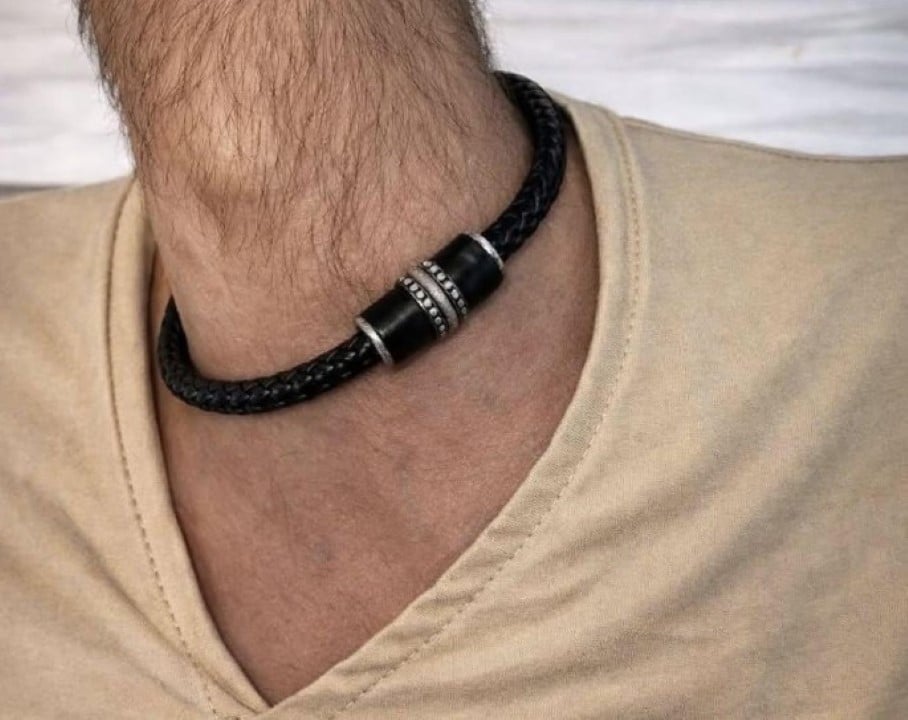
An image that initially appears to show a man’s extremely thin and hairy neck went viral on social media on February 22, 2026. The content, initially shared on a microblogging platform, accumulated more than 59 million views in less than 24 hours. Internautas from different regions reported confusion when trying to identify what the photo actually represents.
The optical illusion arises from a specific perspective that deceives the observer, making what appears to be a neck with hair and a tight drawstring to be, in fact, a fist inserted in a pants pocket. Essa revelation came after detailed analysis by users and artificial intelligence tools. The original post does not specify the origin of the image, but it spread quickly through reposts and memes.
Reactions include comments about the difficulty in “unseeing” the initial illusion, with reports that even after explanations, the eyes insist on interpreting the figure as an elongated human neck. The phenomenon highlights how unusual perspectives can create visual tricks that defy common perception. Essa viralization occurred in a context of growing interest in optical content on digital platforms.
Image source
The post that started the spread appeared on an unidentified account, without details about the location or date of capture. Especialistas in digital images analyzed the file and confirmed that there are no obvious manipulations, and it is a genuine photo with a peculiar angle. Essa The absence of editing contributes to the realism of the illusion.
Users have tried to track the source through reverse searches, but results only point to recent reposts. The lack of clear metadata suggests that the image may have been captured casually and shared with no initial intention of it going viral.
i’m lowkey in a financial ruin i may never recover frompic.twitter.com/4gkQLHCxGt
— doxie (@doxie_gay)February 22, 2026
Reactions from Internet users
Many expressed initial astonishment upon viewing the image for the first time. Comentários highlight the feeling of discomfort when trying to understand the distorted figure. Alguns reported taking minutes to identify the fist in the pocket.
Others created humorous variations, adding graphic elements to emphasize the illusion. Essas editions circulate in parallel to the original, expanding the reach of the content.
Several influential profiles reposted the image, contributing to the exponential increase in views. Relatos indicate that discussion groups dedicated to visual enigmas have incorporated the case into their analyses.
Technical explanations
The illusion is based on principles of perspective and shading that the human brain misinterprets. The apparent cord is, in reality, a bracelet or similar element on the wrist. Ferramentas image analysis confirms that the bone structure corresponds to a forearm, not a neck.
Studies on visual perceptions explain that the brain fills in gaps based on previous experiences, leading to initial confusion. Essa image exemplifies how everyday contexts can generate optical mistakes.
Research in cognitive psychology indicates that similar illusions activate specific areas of the brain responsible for recognizing human shapes. The current case reinforces data on how unusual angles alter visual interpretation.
Experts recommend observing the image from different distances to break the illusion. Essa approach helps realign perception and reveal the true composition of the photo.
Impact on networks
The viral event generated a spike in interactions across social platforms, with related hashtags trending globally. Métricas show that engagement includes likes, shares, and replies in significant volumes. Essa rapid dissemination demonstrates the power of intriguing visual content.
Traffic analyzes indicate that news sites incorporated the topic into their agendas, expanding visibility beyond the initial networks. The phenomenon reflects current trends in digital media consumption focused on quick puzzles.
Comparisons with similar illusions
Previous optical illusions, such as the blue and black dress or ambiguous figures, share similar mechanisms with this image. Cada case attracts attention by defying common visual expectations. Dados of past viral hits show similar spread patterns, with initial spikes followed by prolonged debates.
This new illusion differs in that it involves a part of the body in an everyday context, which increases the surprise factor. Comparações reveal that bodily illusions tend to generate more direct emotional reactions.
Compiled studies indicate that the average time to unravel such tricks varies between seconds and minutes, depending on the experience of the observer. Fatores how lighting and image resolution influence the persistence of clutter.
Future perspectives
Visual content like this continues to evolve with advances in digital photography and online sharing. Especialistas predict that AI-generated illusions could become more common, mixing real and artificial. The current case serves as a basis for discussions about perception in virtual environments.




