
Winter storm paralyzes the US Northeast with heavy snow and strong winds in multiple states

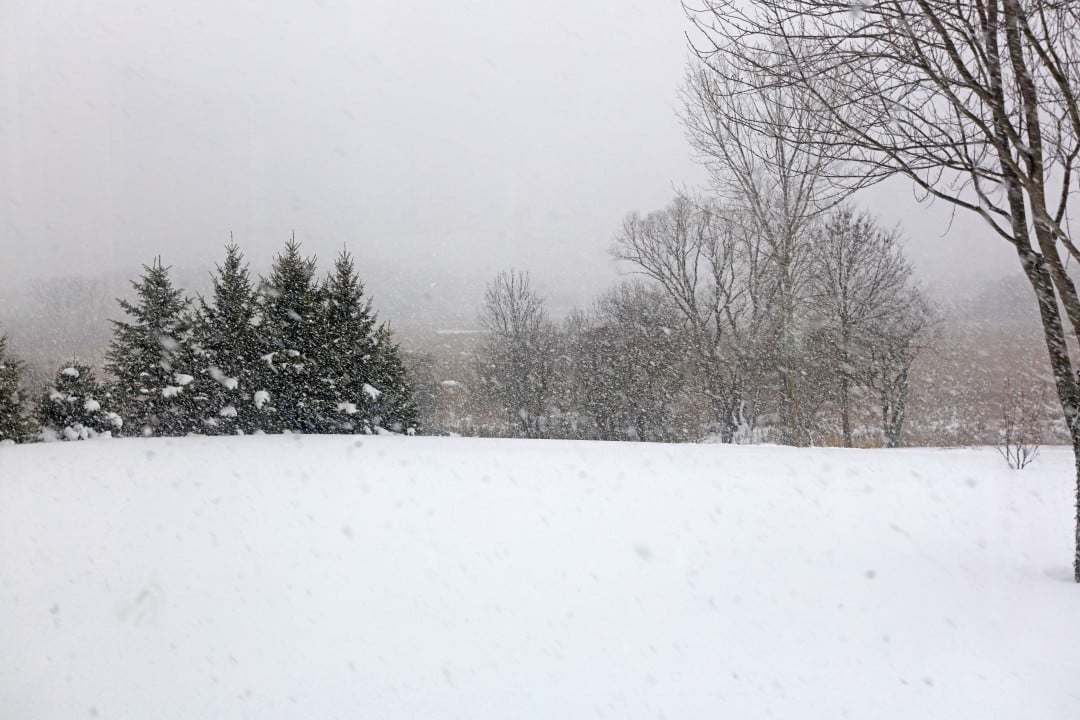
A severe winter storm hit Nordeste from Estados Unidos on Monday, covering areas with thick layers of snow and causing widespread outages. The phenomenon, classified as a powerful nor’easter, affected states such as Nova York, Nova Jersey and Connecticut, with intense winds and coastal flooding.
Local authorities implemented emergency measures to ensure public safety during the extreme weather event. Em Nova York, a total travel ban was imposed from 9pm on Sunday until noon on Monday local time, limiting traffic to emergency vehicles only.
The forecast indicates that this is the most intense snowfall in almost a decade for the region, with snow accumulations varying between 60 and 90 centimeters in several locations. Milhões of residents face dangerous conditions, including power outages affecting hundreds of thousands of homes and businesses.
Immediate impacts on urban mobility
The snowfall caused the closure of main roads, bridges and highways throughout the metropolitan region of Nova York. Equipes snow removal teams work around the clock to clear essential roads, but zero visibility conditions complicate operations.
Public and private schools have suspended in-person classes, opting for remote learning where possible. Funcionários public and private individuals were advised to stay at home, reducing the risk of accidents on slippery roads.
Detailed weather conditions
The bomb cyclone, as the event was described by meteorologists, generated winds with gusts of up to 110 km/h in coastal areas. Essas high speeds contribute to the formation of snow drifts, which block entrances to homes and stopped vehicles.
Updated forecasts point to a gradual decrease in intensity throughout the afternoon, but blizzard warnings remain active in multiple counties. Áreas as well as Boston and Providence report accumulations exceeding 60 centimeters, with the potential for local records.
Climate models indicate that the system moves northeast, progressively affecting Canadá Atlântico after passing through Nova Inglaterra. Continuous Monitoramento is essential for adjusting security alerts.
Emergency measures adopted by authorities
In Nova Jersey, governors declared a state of emergency to facilitate the allocation of federal resources. Equipes pre-positioned rescue personnel respond to calls from stranded motorists or incidents related to extreme cold.
Warming centers were opened in churches and public buildings to house vulnerable people such as the elderly and the homeless. Distribuição of basic supplies, including blankets and food, occurs in coordination with non-governmental organizations.
Força Aérea Nacional assists with snow removal at main airports, with a view to resuming canceled flights. Mais of 5 thousand takeoffs were suspended, impacting international and domestic routes.

Preliminary economic effects in the region
Retail and service companies face significant losses due to forced closures this Monday. Setores as transport and logistics predict delays in deliveries, affecting regional supply chains.
Analysts estimate that the total cost of the event could exceed hundreds of millions of dollars in infrastructure damage. Reparos on power lines downed by strong winds will require days of intensive work.
Community preparations and local responses
Local communities organized neighborhood networks to check on the well-being of residents isolated by snow. Voluntários use all-terrain vehicles to deliver essential medicines and supplies to rural areas.
Public education programs have emphasized the importance of household emergency kits, including flashlights, batteries and non-perishable food items. Campanhas via radio and mobile applications warned about the risk of hypothermia during the intense cold.
History of similar storms in the area
This nor’easter evokes memories of past events, such as the 2016 blizzard that paralyzed Costa Leste with record accumulations. Comparações reveal similarities in atmospheric pressure patterns that intensify the systems.
Climate studies suggest that changes in the jet stream pattern contribute to the frequency of such phenomena. Dados histories show an increase in heavy snow events in Nordeste over the past few decades.
Meteorological records indicate that the region has experienced at least five major snowfalls since 2010, each with increasing impacts due to urbanization. Improved satellite Análises allows for more accurate predictions, reducing surprises in future events.
Experts highlight the resilience of local infrastructure, improved after lessons from previous storms. Investimentos in underground cables and removal equipment reduces post-event recovery time.
Updates on blackouts and power restoration
More than 600,000 customers were left without electricity due to trees falling onto transmission lines. Empresas utilities mobilized extra crews from neighboring states to speed up repairs.
Priority is given to hospitals, fire stations and emergency shelters to keep vital services operational. Backup Geradores are activated at critical installations while the main network is restored.
Coastal flooding and associated risks
Coastal areas face high waves and beach erosion caused by strong ocean winds. Barreiras protection measures are monitored to prevent flooding in low-lying neighborhoods in cities like Atlantic City.
Coastal authorities issued warnings for voluntary evacuation in areas prone to flooding. Equipes engineers assess post-storm damage to dikes and marine structures.
Prospects for quick recovery
Normal traffic is expected to gradually resume by Tuesday, with crews working overnight to clear main roads. Serviços of subways and trains, suspended in parts, test lines for safe reopening.
Affected communities coordinate collective cleanup efforts, encouraging voluntary participation in sidewalk snow removal. Programas Governments offer financial assistance for home damage not covered by insurance.
Details about fatalities and incidents
Two deaths were confirmed related to the event, one due to a vehicular accident on a slippery road and the other due to exposure to the cold. Serviços doctors report increase in calls for injuries related to falls on ice.
Hospitals are operating at maximum capacity, with protocols in place to prioritize urgent cases linked to the storm. Campanhas public health authorities reinforce precautions against slips and hypothermia.
Contributions of global climate factors
Patterns of El Niño influence the intensity of winters in Hemisfério Norte, contributing to more frequent storms. Pesquisas indicate that global warming paradoxically increases extreme cold events in certain regions.
Integrated forecasting models help agencies anticipate impacts, enabling advance preparations. International Colaborações in satellite data improves the accuracy of regional alerts.
Climate variability demands adaptations in urban planning, such as upgrading coastal infrastructure. Long-term Estudos monitor trends to mitigate future risks in densely populated areas.
Federal support and resources available
The federal government approved disaster declarations for affected states, freeing up funds for recovery. Agências as FEMA coordinates distribution of supplies and technical assistance.
Low-interest loan programs are available for businesses impacted by the shutdown. Parcerias with the private sector accelerate the delivery of heavy cleaning equipment.
Continuous event monitoring
Weather stations maintain surveillance over remnants of the system, warning of possible residual snowfall. Weather Aplicativos provide real-time updates to residents.
Communications via official social networks disseminate verified information, combating misinformation during crises. Equipes of rapid response remain alert for possible worsening.
Lessons for future events
Experiences from this storm reinforce the need for investments in climate resilience. Treinamentos annual emergency responses prepare communities for efficient responses.
Innovations in technology, such as drones for damage inspection, speed post-event assessments. Colaborações between neighboring states optimizes resource sharing in large regional events.




