
2026 Toyota RAV4 PHEV can power homes for up to a week

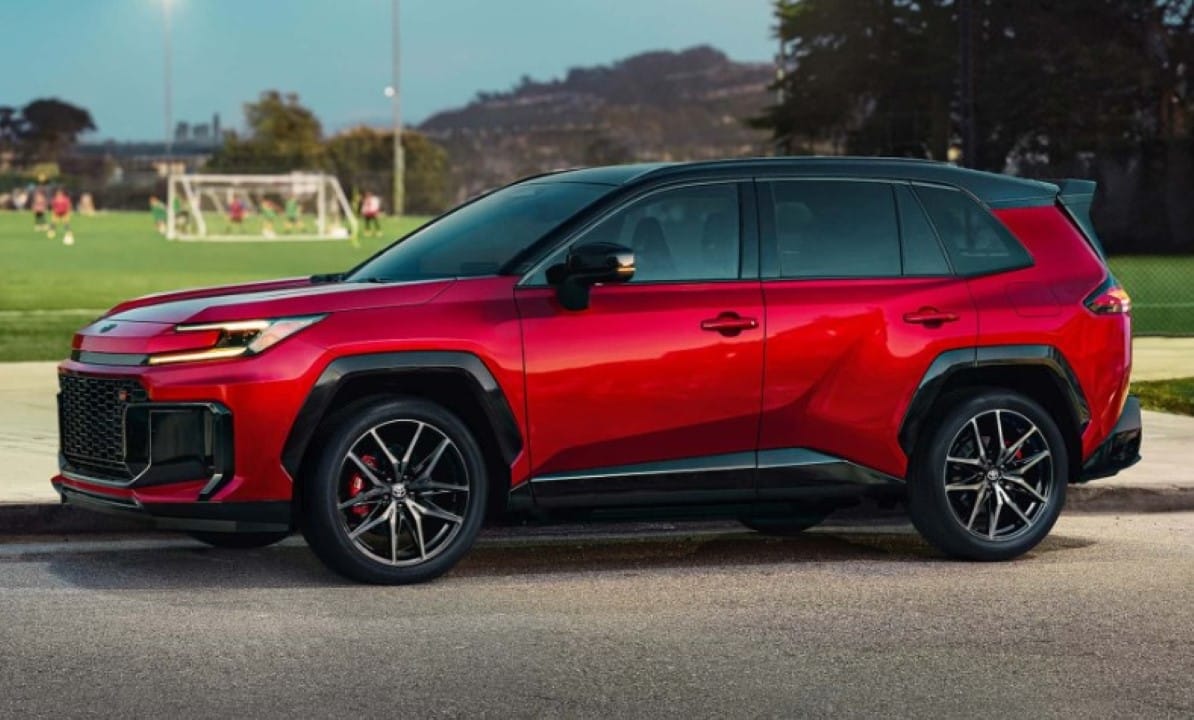
Toyota launched the new RAV4 PHEV 2026 at Japão, a plug-in hybrid SUV that incorporates an innovative power supply functionality for homes. The model, presented at an official event in Tóquio, allows the vehicle to act as a source of electricity in emergency situations, such as power cuts caused by natural disasters. Essa capacity is activated through HV power supply mode, which uses the battery and fuel tank to generate power. The launch took place on March 9, 2026, Japão local time, and aims to meet growing demands for multi-purpose vehicles in regions prone to electrical outages.
The RAV4 PHEV system sends up to 1.5 kW of power to a home, enough to keep essential appliances running. Testes carried out by the automaker indicate that, with an average consumption of 400 watts, the vehicle sustains a typical household for 6.5 days, starting with a full battery and full tank. Essa duration can extend to seven days in supply time priority mode, optimizing the use of available resources. The feature highlights the RAV4 as a practical option for families in areas vulnerable to typhoons or earthquakes, common in the Japanese archipelago.
The new generation of RAV4 is offered exclusively as a hybrid, with plug-in options that combine combustion and electric engines. Total autonomy reaches 1,350 kilometers, including battery and tank, which represents an advance of 50 kilometers compared to the previous model. In pure electric mode, the estimated range is 150 kilometers in Japanese standard, although in other markets such as the Estados Unidos it may vary to around 80 kilometers due to differences in certifications. Essa configuration reinforces vehicle efficiency, in line with global emissions reduction targets.
Emergency functionality on the RAV4 PHEV
HV power supply mode operates with a 100 volt socket, standard on the Japão, connected directly to the residential electrical system. Essa integration allows the car to function as a portable generator, without the need for complex additional equipment. Toyota carried out simulations under controlled conditions to validate the system’s durability, ensuring it can withstand continuous demands without overloading the components.
This capability is particularly useful in disaster scenarios where the electrical grid may be down for prolonged periods. Autoridades Japanese women, who frequently deal with evacuations and post-event recovery, see potential in the vehicle to support affected communities. The automaker emphasizes that the RAV4 PHEV meets strict safety standards, including protections against overloads and electrical failures.
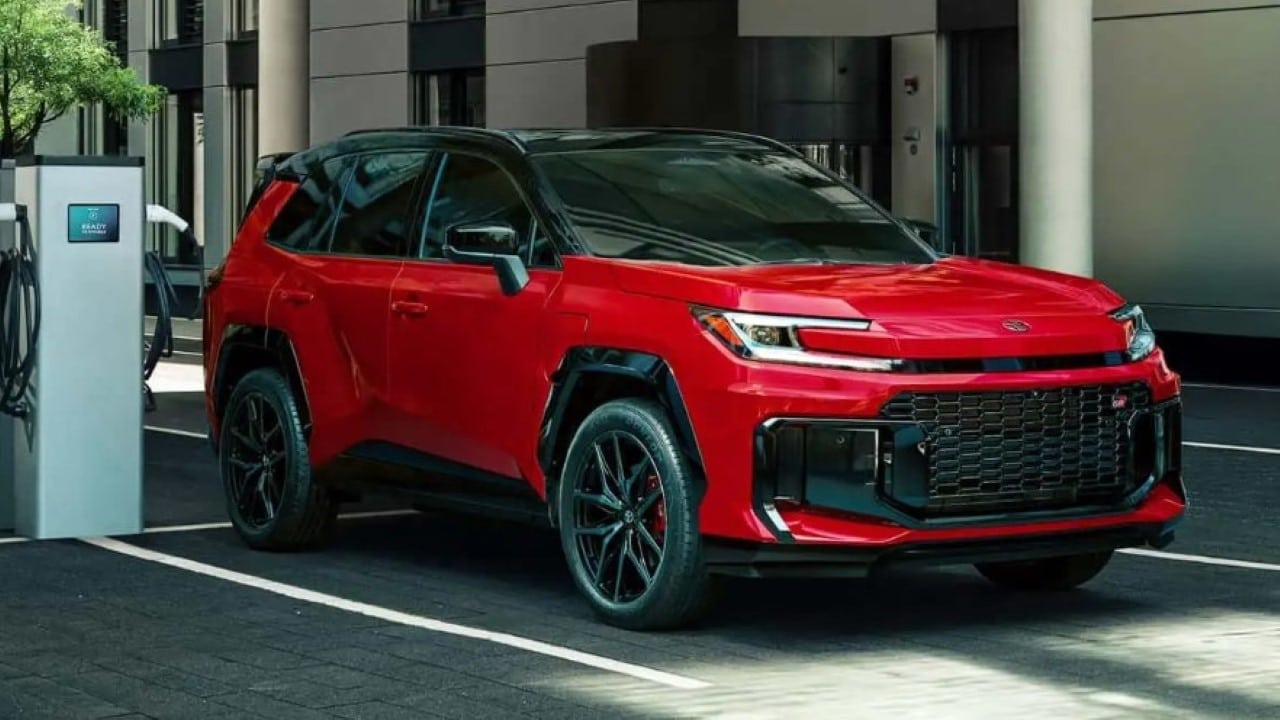
Technical specifications of the new model
The 2026 RAV4 PHEV’s battery has a capacity of 22.7 kWh, a 30% increase compared to the previous generation, which contributes to the extension of energy supply. The 2.5 four-cylinder engine, combined with electric motors, delivers a combined power of up to 304 horsepower in the all-wheel drive version. In the front-wheel drive option, the power is 268 horsepower, maintaining efficiency in different conditions of use.
The vehicle includes DC fast charging in certain versions, allowing recharging at public stations. The Toyota incorporated lightweight materials into the construction to optimize weight, resulting in better energy performance. Dados of internal tests show that average consumption in hybrid mode is below 5 liters per 100 kilometers on mixed routes.
The interior design prioritizes comfort, with seats in sporty or premium fabric, depending on the version. Recursos like aluminum pedals and contrasting stitching add a dynamic touch to the cabin. The infotainment system supports wireless connectivity, making it easy to monitor battery status and power supply.
Comparison with similar technologies
Other automakers offer vehicle-to-load or vehicle-to-home functions, but the RAV4 PHEV stands out with its extended supply duration. Modelos like those from Ford and GM provide energy, but with shorter autonomy in continuous use scenarios. The Toyota has adjusted the system to the Japanese 100 volt standard, which limits its direct application in 120 volt markets, such as the Estados Unidos.
In a global context, pure electric vehicles lead in V2H capabilities, but plug-in hybrids like the RAV4 offer versatility by combining electricity and fuel. Estudos market share indicates that 40% of Japanese consumers prioritize emergency features when choosing SUVs. Essa trend reflects concerns about energy resilience in the face of climate change.
Adoption of the RAV4 PHEV could influence regulatory standards, encouraging integrations between vehicles and home networks. Engenheiros of Toyota collaborated with suppliers to ensure compatibility with common residential installations. Relatórios efficiency shows that the system preserves up to 80% of battery capacity after prolonged cycles of use.
The starting price for the Japão is equivalent to around 45 thousand dollars, varying by version and options. Availability in other markets has not yet been confirmed, but the automaker plans gradual expansions.
Benefits for everyday users
The RAV4 PHEV is not limited to emergencies, it can also be used for outdoor activities such as camping. Usuários can connect equipment directly to the vehicle, expanding its usefulness beyond transportation. The Toyota offers compatible accessories, such as extension cables and adapters, to maximize the system’s potential.
This multifunctionality attracts urban families looking for sustainable and practical vehicles. Dados of previous sales show that hybrid models represent 60% of the Toyota portfolio in Japão, with annual growth of 15%. The new RAV4 reinforces this leadership, incorporating consumer feedback on energy needs.
Release details and availability
The launch event at Tóquio brought together Toyota executives and government representatives, highlighting the vehicle’s role in promoting resilient mobility. Production takes place in local factories, with a focus on sustainable components. The automaker plans exports to Ásia and Europa in the coming months, adapting the system to regional electrical standards.
- The SE version offers an electric range of 87 kilometers.
- The XSE model includes fast charging and all-wheel drive.
- Color options range from eight shades, including metallics.
- Warranty covers the battery for eight years or 160,000 kilometers.
The RAV4 PHEV integrates with mobile apps for remote monitoring, allowing owners to check power status in real time. Essa connectivity improves the user experience, facilitating planning for long trips or unforeseen situations.
Advances in energy efficiency
Toyota invested in research to optimize the RAV4 PHEV’s hybrid system, resulting in emissions reduced by 25% compared to conventional models. The combustion engine operates in an Atkinson cycle, maximizing thermal efficiency. High-density lithium-ion Baterias allows for faster recharges, with times of 2.5 hours on 200-volt home chargers. In road tests, the vehicle maintained stable performance at temperatures ranging from 0 to 40 degrees Celsius, demonstrating robustness in different climates.
Electronic all-wheel drive automatically distributes torque, improving stability on slippery surfaces. Consumidores report annual fuel savings of up to 30%, depending on predominant use in electric mode. The automaker conducts recycling programs for used batteries, promoting sustainability in the product’s life cycle
Integrações with smart residential networks allows automation of energy supply, adjusting to peaks in demand. Esses advances position the RAV4 PHEV as a benchmark in multifunctional hybrid vehicles, meeting modern demands for efficiency and resilience.
Global Market Outlook
Versions for the Estados Unidos include an electric range of 67 kilometers, adapted to local regulations. Toyota evaluates the inclusion of HV mode in Western markets, depending on regulatory demands.



