
Barcelona president details in book reasons that prevented Messi from returning to the Catalan club

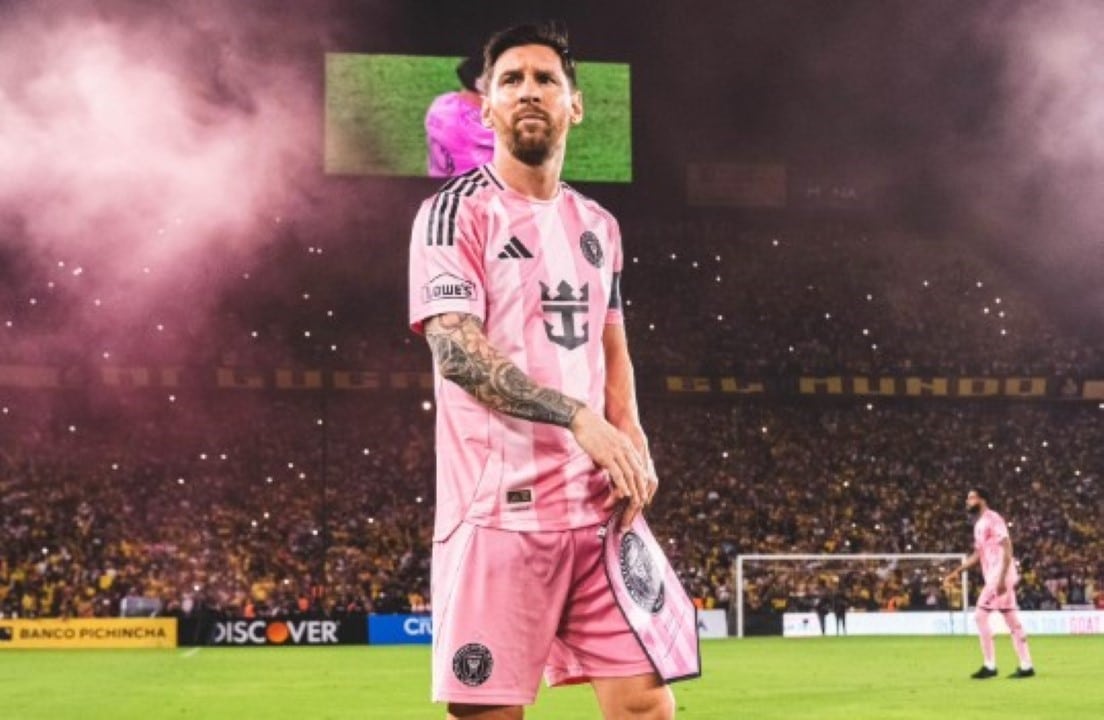
The president of Barcelona, Joan Laporta, this week officially launched a work that promises to clarify one of the most striking episodes in the club’s recent history. Intitulado “This is how we saved Barça”, the book reaches the public this Tuesday bringing a detailed narrative about the challenges faced by management in the last five years. The central point of the publication revolves around the frustrated negotiations for the return of Lionel Messi and the reasons that led the Argentine star to opt for Estados Unidos football.
According to the reports presented in the work, the decision involved factors that went beyond the four lines, focusing on preserving the athlete’s image and institutional stability. Laporta argues that the board sought to prevent the idol from entering an inflated auction, competing with exorbitant financial offers presented by Al-Hilal and Inter Miami. The selection of the Flórida team is described as a move to remove the player from the immediate competitive pressure that a return to Europa would require.
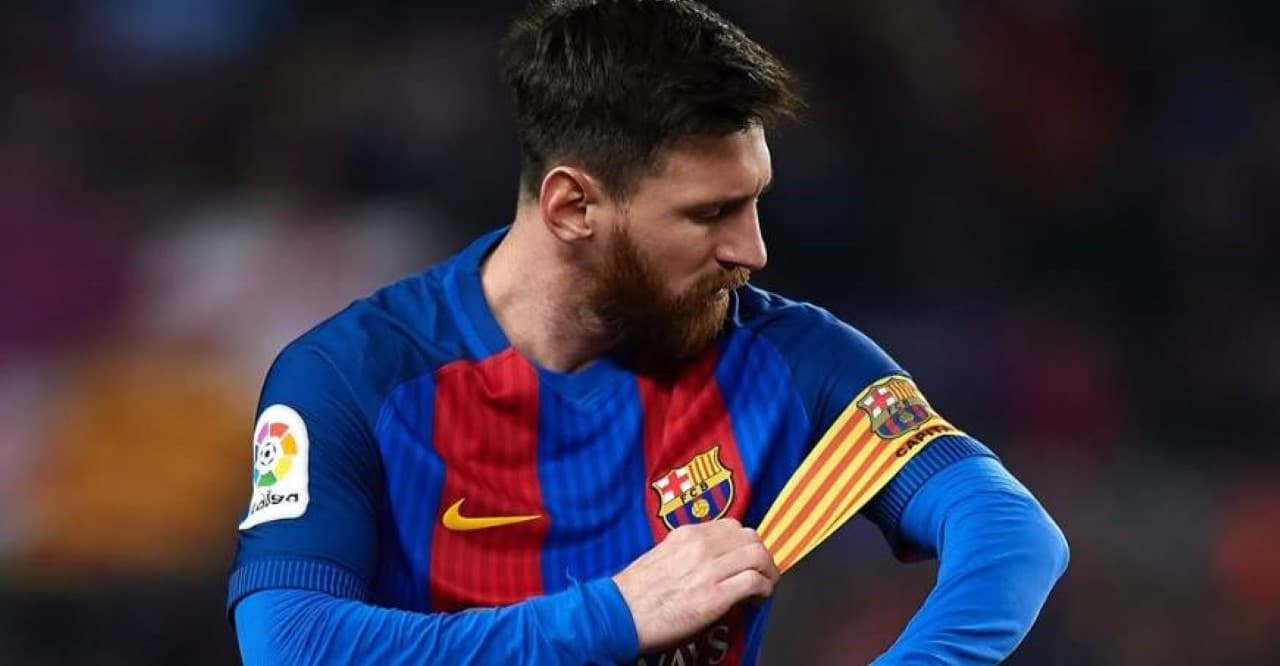
Financial obstacles and rules of the Spanish league
The publication dedicates extensive chapters to explaining the economic scenario that made the operation unfeasible. The president of the Catalan club reinforces that the refusal to agree with the CVC fund was decisive for the outcome of the negotiations. The board considered that mortgaging television broadcasting rights for half a century would be a serious strategic error, even if it would cost the signing of the greatest player in the club’s history.
Without the immediate capital injection proposed by the fund, Barcelona was unable to adapt its payroll to the strict financial fair play rules imposed by La Liga. The book details that, faced with the mathematical impossibility of registering the athlete without compromising the future viability of the institution, the management chose to end the negotiations, sealing the fate of Messi away from Camp Nou.
Institutional priority over idol
Laporta uses the work to defend the thesis that the institution must always be above any individuality, regardless of the player’s stature. The director describes the decision-making process as painful, but necessary to ensure the club’s long-term survival. Ele admite que a escolha gerou um desgaste significativo na relação pessoal com o craque argentino, criando um distanciamento que persiste até o momento atual.
Despite the cold climate between the parties, the book expresses the desire for a future reconciliation. The president expresses his intention to pay a great farewell tribute to Messi, recognizing his unparalleled legacy. The publication therefore serves as an attempt to justify the unpopular measures taken by the administration, presenting them as acts of fiscal responsibility and love for the entity, aiming at the sustainability of Barcelona for future generations.



