
Harvard research shows that vitamin D supplementation slows the aging of human DNA

Scientists at Universidade of Harvard have identified a direct correlation between continuous vitamin D supplementation and the preservation of human genetic material in a large-scale study. The analysis focused specifically on telomeres, structures located at the ends of chromosomes, whose length serves as one of the main biological markers for measuring cellular aging and the general health of the organism.
Impact on genetic preservation
The investigation followed more than a thousand participants over a period of four years to understand how specific nutrients act in molecular biology. The results indicated that the group receiving daily doses of the nutrient showed significantly less degradation of DNA structures compared to those who received only placebo. Essa structural preservation is equivalent, according to the researchers’ calculations, to a reduction in biological aging of approximately three years.
Telomeres function in a similar way to the plastic ends of shoelaces, preventing the genetic code from unraveling or deteriorating during the cell division process. Natural aging and oxidative stress tend to progressively shorten these ends. The presence of adequate levels of vitamin D in the body appears to stimulate the enzymatic activity necessary to counteract this shortening process, offering a protective barrier against early cellular degeneration.
Clinical trial methodology
Known as the VITAL project, the rigorous clinical trial involved men over 50 and women over 55, ensuring a relevant sample for the study of aging. Volunteers received 2000 IU of vitamin D3 daily. Embora the study also analyzed the effects of omega-3 supplementation in the same group, the data revealed that only vitamin D demonstrated a statistically relevant effect on maintaining telomere length over the monitored time.
Challenges of obtaining natural
Natural synthesis of the vitamin occurs mainly through exposure of the skin to UVB rays, but contemporary lifestyles and the geographic location of many populations make it difficult for adequate production from the sun alone. The constant use of sunscreen, although essential to prevent skin diseases, also blocks the radiation necessary for this synthesis, creating a public health paradox that requires attention.
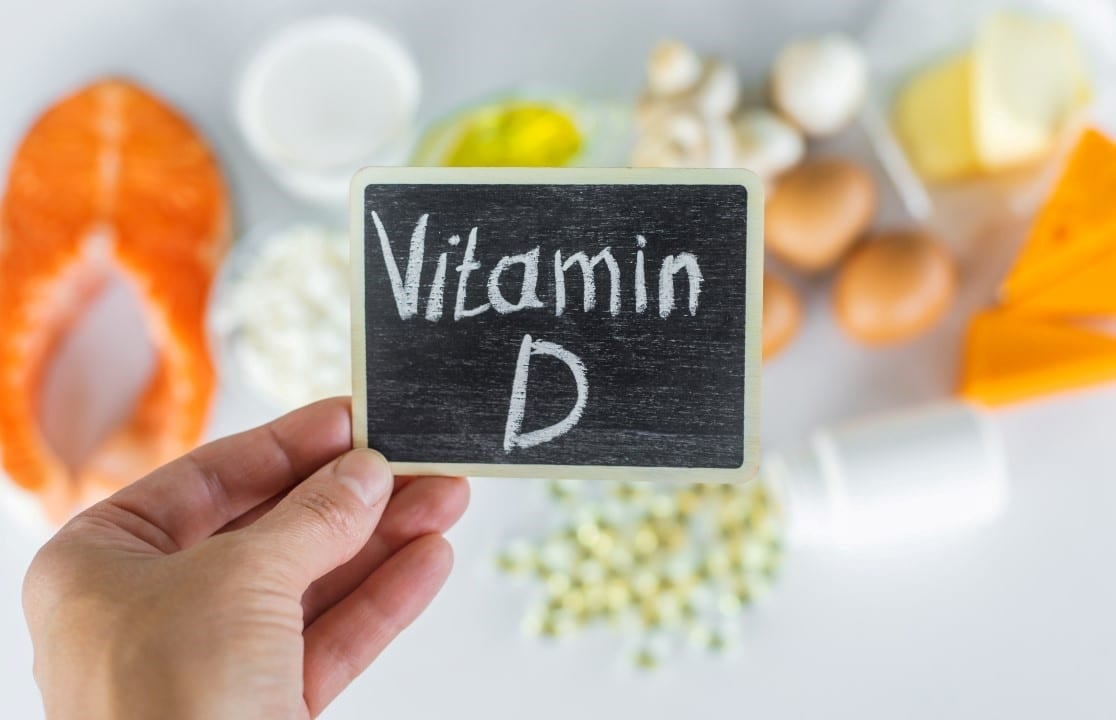
Foods such as fatty fish, mushrooms and egg yolks offer dietary sources of the nutrient, but rarely in sufficient amounts to correct severe deficiencies without dietary changes. Supplementation, as suggested by the results observed in Harvard, appears as a viable strategy to ensure that serum levels remain in the ideal range for genomic protection, especially in age groups where the efficiency of skin synthesis naturally decreases.



