Horizon franchise sets Japan as the stage and promises revolution with more than 500 cars available

Playground Games has officially confirmed plans for the launch of its latest open-world simulator, scheduled to hit the market on May 19th. The developer revealed that the title will transport virtual pilots to the diverse landscapes of Japão, fulfilling one of the oldest requests from the fan community. The initial catalog is impressive in its volume, offering more than 500 detailed vehicles on launch day.
The central proposal of the new game involves a fusion between the heritage of Asian motorsport and the electrification technologies that dominate the current industry. Esta new category of quality parameters seeks to establish an unprecedented visual and physical standard for the franchise. The development team ensured that the title will maintain the philosophy of freedom of exploration, now adapted to the complex geography and urbanization of Japan.

As part of Microsoft’s distribution strategy, the game will be available immediately on the Game Pass subscription service, ensuring simultaneous access for console and desktop players from day one. The developers highlighted that, in addition to the base content, there will be ongoing support with the introduction of 100 new models in the post-launch narrative, responding directly to user feedback.
The virtual garage update is not just limited to numerical expansion, but focuses on the mechanical and digital evolution of cars. The system will allow both new players and veterans to explore machines that have never been previously licensed on the platform. The promise is of an experience that balances the accessibility of arcade games with the technical depth demanded by simulation enthusiasts.
Asian automotive legacy and track icons
Choosing Japão as the main stage allowed the developer to strengthen ties with local automakers, resulting in a list of vehicles that reflects Eastern engineering. The Toyota plays a central role in the environmental narrative, featuring everything from the historic 2000GT of 1969 to modern machines from the Gazoo Racing division such as the GR Yaris.
The Nissan maintains its historical relevance in the franchise, covering the lineage of the Skyline, from the classic “Hakosuka” 2000GT-R to the more recent versions of the Z and GT-R Nismo. Historic preservation is a cornerstone of this release, allowing players to experience the aerodynamic and power evolution that has occurred over decades of automotive development on the island.
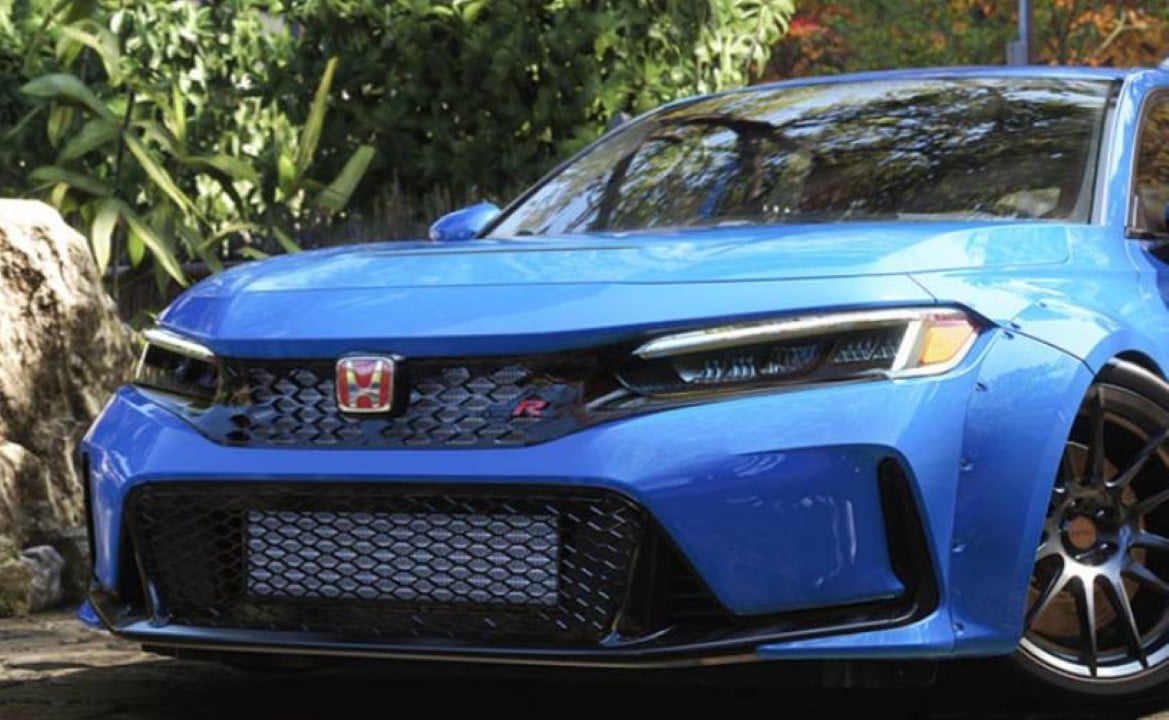
Other industry giants, such as Honda and Mazda, also solidify the game’s national identity. The technical precision of the Honda is represented by several generations of the Civic Type R and the legendary NSX-R. Já to Mazda brings the tradition of rotary engines with the RX-7, completing an ecosystem that reflects both the narrow streets of Tóquio and the country’s professional circuits.
Diversity of terrain and the inclusion of kei cars
To navigate the dense road network of Tóquio and its outlying regions, the introduction of compact vehicles specific to the Japanese market was necessary. The “kei car” category makes its debut with iconic models such as the Honda City E II and the Honda Beat. The Suzuki Cappuccino also joins the list, offering a light and agile driving experience, ideal for the urban areas recreated in the game.
The Autozam is also present with the exotic AZ-1, famous for its gullwing doors. The inclusion of these microcars is not just aesthetic, but functional within the campaign progression. Specific Eventos and delivery challenges were designed to take advantage of the small dimensions and maneuverability of these vehicles, proving that raw power is not the only determining factor for victory.
Presence of global super sports cars and high performance
Despite the strong focus on Japanese domestic culture, the title maintains its tradition of offering the pinnacle of world motorsport, with an emphasis on Italian manufacturers. The Ferrari offers a collection that spans eras, contrasting the classic elegance of the 275 GTB4 with the technological aggressiveness of the 488 Pista and the FXX-K, models designed exclusively for track performance.
The Lamborghini complements the high-performance offering with the Huracán STO and the futuristic concept Terzo Millennio Electric. Além of the asphalt cars, the Italian brand also provides the Urus SUV, allowing players to explore mixed terrain with a luxury vehicle, reinforcing the strategic partnership between the studio and European brands.
Geographic adaptation and off-road exploration
The game’s map is designed to include a variety of biomes, from rice fields and bamboo forests to dangerous mountain roads. Para To explore these difficult to access areas, utility vehicles such as the Can-Am Maverick and the Polaris RZR were introduced. The varied topography requires the player to switch between different types of vehicles to discover all of the map’s secrets.
The verticality of the Japanese terrain led to the creation of complex off-road trails, where suspension and traction are tested to the limit. The ability to move between the perfect asphalt of express highways and the dirt of rural areas creates a fluid gameplay dynamic, encouraging complete exploration of the scenario.
Drift culture and in-depth mechanical customization
The drift culture, intrinsic to Japanese motorsport, received special attention in the development of the physics system. Players will have access to modification tools that allow fine adjustments to the suspension, camber and differential, essential for practicing controlled skidding. Visual customization was also expanded, with the inclusion of licensed widebody kits.
The upgrade system allows entry-level vehicles to be transformed into high-level competition machines. Engine response and tire behavior have been recalibrated to offer a more realistic feeling of weight and grip, meeting the demands of players looking to replicate the driving techniques seen on the mountains and circuits of Japão.