
Monkeypox: Mossoró investigates suspected monkeypox after hospitalization of 19-year-old young man

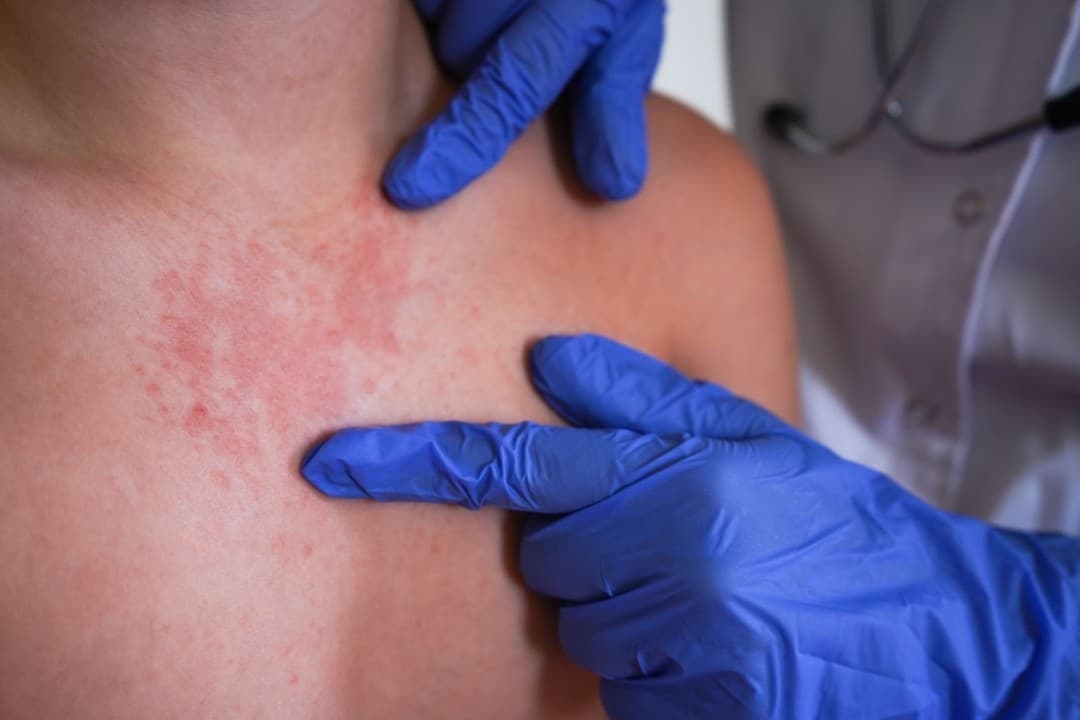
A notification about a possible case of monkeypox, now known as Mpox, mobilized Secretaria Municipal from Saúde from Mossoró. The event, which involved a 19-year-old patient, led to the issuing of a statement to clarify the situation to the population. Local health authorities acted quickly, following protocols defined for infectious diseases.
The patient was admitted to an Unidade of Pronto Atendimento (UPA) in the neighborhood Alto of São Manoel, presenting a clinical condition that raised suspicion. Ela was promptly isolated to avoid any risk of transmission while the investigation continued. The municipal health system emphasized that all preventive measures were being taken.
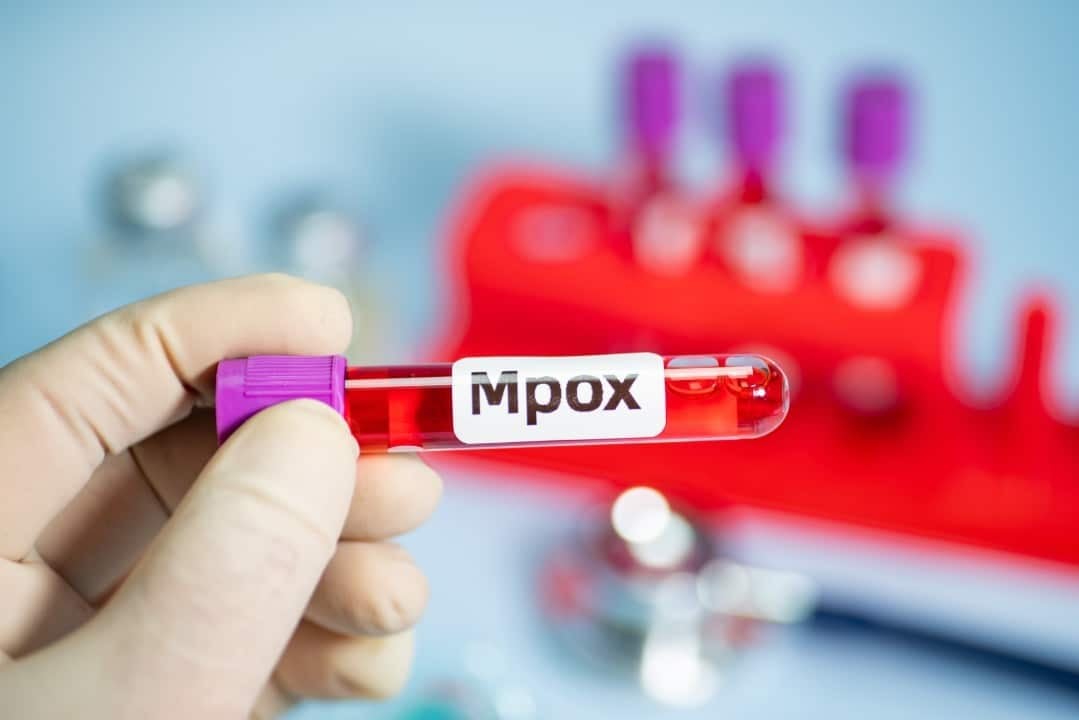
Laboratory tests were collected and sent to the capital, Natal, where they would be analyzed in a reference laboratory. The expectation was for a conclusive result that could confirm or rule out infection by Mpox. The patient’s health, as reported, remained stable throughout the observation process.
Public health protocols in action
The municipal management of Mossoró ensured that the handling of the possible case followed the guidelines and protocols established by Ministério of Saúde. Tais standards are fundamental to ensuring the safety of patients, healthcare professionals and the community in general, minimizing the risks of disease spread. Strict adherence to these standards is a cornerstone of responding to health emergencies.
The patient was monitored continuously, with the medical team closely monitoring the evolution of the clinical condition. Clear and transparent communication from the city hall was essential to inform residents and prevent the spread of incorrect information, reinforcing the importance of official channels for public health data.
The disease Mpox: symptoms and transmission
Monkeypox, or Transmission occurs mainly through direct contact with lesions, body fluids from an infected person or animal, or through contact with contaminated materials. It is important to differentiate Mpox from other diseases that cause skin lesions.
The incubation period for the disease generally ranges from 6 to 13 days, but can last up to 21 days. Durante During this time, the infected person may not show symptoms, but may already be in the transmission phase in some cases. Understanding transmission mechanisms is crucial to implementing effective containment measures, both in the hospital and community settings.
Epidemiological surveillance and reference network
The actions of Secretaria Municipal and Saúde demonstrate the importance of constant epidemiological surveillance in the municipality. Este system allows you to quickly identify potential threats to public health and coordinate the response efficiently, protecting the population against the spread of infectious and emerging diseases. Partnership with state institutions is crucial for adequate diagnosis and treatment.
Waiting for a place to transfer the patient to Hospital Rafael Fernandes in Natal, a reference unit for cases under observation, illustrates the health network in operation. Reference Hospitais are crucial to providing specialized care, including advanced diagnostic capabilities and teams trained to manage more complex or unusual illnesses, ensuring the best possible care.
Preventive measures and public education in 2026
In 2026, Mpox prevention strategies continue to emphasize personal hygiene and awareness of modes of transmission. Frequent hand washing with soap and water or the use of alcohol gel are simple but effective practices that significantly contribute to reducing the risk of contamination. Além Furthermore, avoiding close contact with people with skin lesions or suspicious animals is a primary recommendation.
Educating the population about the importance of seeking medical attention when identifying suspicious symptoms and following the guidance of health authorities is a vital component. Campanhas briefings are frequently held to enable citizens to recognize the signs of the disease and act responsibly, avoiding panic and ensuring that cases are reported and treated appropriately.
Global response and current scenario of Mpox
Mpox, formerly known as monkeypox, has gained global prominence in recent outbreaks, prompting Organização Mundial of Saúde (WHO) to issue warnings and coordinate international efforts. The experience gained during these periods allowed the development of more robust contingency plans and the optimization of vaccination and treatment strategies. The scenario in 2026 reflects greater preparation and knowledge about the disease.
Currently, the scientific community and health authorities around the world have a more in-depth understanding of Mpox, including its epidemiology and clinical management. Essa Evolution in knowledge allows for a more targeted and effective response to new cases or outbreaks, ensuring that diagnostic tools and therapeutic options are accessible when needed, as well as containment measures.
The role of Ministério of Saúde and federative cooperation
Ministério of Saúde plays a central role in defining policies and protocols to combat Mpox throughout the national territory. The institution is responsible for issuing guidelines, providing inputs and coordinating actions between states and municipalities. Essa federative structure is essential to guarantee a standardized and efficient response in different regions of the country.
Cooperation between spheres of government – federal, state and municipal – is a determining factor in the success of public health actions. In the case of Mossoró, communication between Secretaria Municipal of
Importance of isolation and clinical management
Patient isolation is a fundamental measure to control the spread of Mpox, especially in the early stages of the disease, when skin lesions are more contagious. Essa precaution ensures that the infected individual does not transmit the virus to other people, protecting the community and health professionals involved in care.
Appropriate clinical management, including medication to relieve symptoms and monitoring health status, is crucial for the patient’s recovery. Medical teams are trained to offer complete support, from initial diagnosis to discharge, ensuring that the patient receives all necessary care and that safety protocols are strictly followed at all stages of treatment.



