
MotoGP plans minimum salary of 500 thousand euros for riders from 2027 aiming for equity


MotoGP is about to approve a measure that establishes a minimum annual salary of 500 thousand euros for all riders in the main category from 2027. The main objective is to reduce existing salary inequalities on the grid, where some competitors receive much higher amounts than others, despite facing similar risks on the tracks.
MotoGP authorities confirm that the proposal has already been included in the draft contract for the period 2027 to 2031. Final discussions will take place during the current season opener at Tailândia, highlighting the urgency in balancing the financial conditions for the 22 starting riders. Essa change will not affect performance bonuses, which will continue to be negotiated individually between teams and competitors.
Drivers like Marc Márquez and Fabio Quartararo, known for contracts worth over 10 million euros per year, contrast with satellite teammates who earn around 100,000 euros annually. The new rule seeks to guarantee a more solid financial base, especially for newcomers and drivers from smaller teams, promoting greater stability in their professional career.
Salary proposal details
The implementation of the minimum wage in MotoGP represents a significant step for the category, which has been debating ways to improve conditions for riders for years. Negotiations involve Associação of Fabricantes of Motocicletas of Competição and aim to align the interests of all parties.
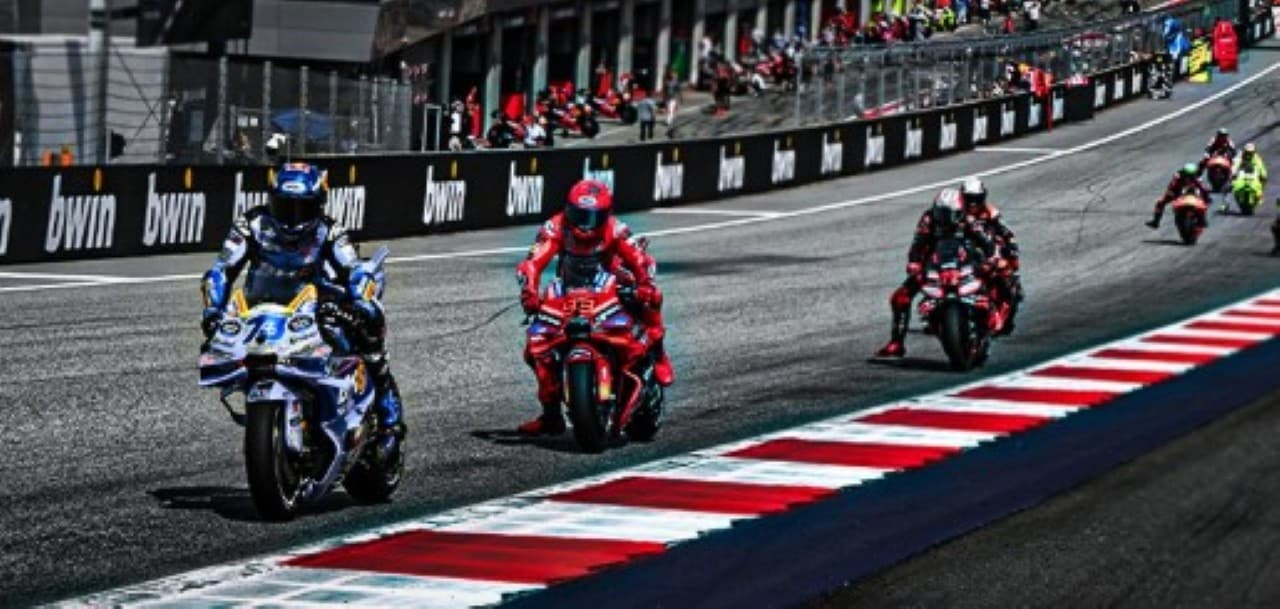
This measure excludes additional incentives, such as prizes for victories or championship positions, maintaining the focus on base pay. Equipes Independents, who often operate on limited budgets, will need to adjust their finances to meet the new requirement.
History of discussions
Debates over fair pay in MotoGP date back to previous attempts to form a riders’ association, which failed to advance. However, the topic gained strength with the increase in salary disparities observed in recent seasons.
Prominent drivers have expressed support for the idea, arguing that everyone faces the same dangers in high-speed racing. The current proposal reflects a growing consensus among stakeholders to foster a more equitable environment.
Teams like Ducati and Yamaha, who dominate the grid, have already indicated their willingness to adapt existing contracts. The change could influence the recruitment of emerging talent, such as Pedro Acosta, who recently joined the main ranks.
Financial impacts on teams
Satellite teams face the biggest challenge under the new rule, as many rely on limited sponsorship to cover operational costs. MotoGP plans to monitor compliance through annual audits, ensuring transparency in the process.
Japanese and European manufacturers differ in their opinions about the additional cost, but agree that the measure strengthens the sustainability of the sport. Orçamentos team totals, which range from 10 to 50 million euros per season, will need to incorporate this minimum amount for each driver.
The proposal does not change current contracts until 2026, allowing for a gradual transition. Especialistas estimate that the total impact on the MotoGP ecosystem will be around 11 million additional euros per year, distributed among the 11 teams.
Comparison with other categories
In Fórmula 1, a salary cap for riders is under discussion, but not yet implemented, unlike MotoGP which is moving forward with this initiative. Categorias and Superbike already adopt similar practices, with minimum salaries varying depending on the championship.
Moto2 and Moto3 riders, who feed the main grid, can benefit indirectly by envisioning greater financial security on the way up. The measure aligns MotoGP with international motorsports standards, where pay equity takes priority.
This comparison highlights MotoGP’s leadership in labor reforms, possibly influencing other global motorcycling series. Dados of international federations show that pay disparities affect talent retention in high-risk sports.
Development teams, such as those at KTM and Aprilia, see the rule as an opportunity to attract young riders with minimal financial guarantees. Implementation in 2027 coincides with technical changes to the regulations, integrating economic and sporting aspects.
Reactions from those involved
Marc Márquez, multiple champion, commented that the measure promotes justice in sport, where the risk is equal for everyone. Fabio Quartararo emphasized the importance of protecting less experienced pilots, who often sacrifice financial conditions for opportunities.
Teams like Pramac Racing, a satellite of Ducati, plan to review hiring strategies to align with the new standard. MotoGP Sports Entertainment Group reiterates that the proposal aims at the longevity of the category, maintaining its attractiveness for investors.
- The proposal only covers regular pilots, excluding reserves or special guests.
- Performance bonuses remain flexible, allowing for individual negotiations.
- Annual audits will ensure compliance, with penalties for non-compliance.
- Budgetary impact varies by team, with larger structures absorbing costs more easily.
Perspectives for the future
The adoption of the minimum wage in MotoGP could pave the way for additional reforms, such as higher limits on star contracts. Isso would balance the market, avoiding uncontrolled salary inflation in a sport dependent on global sponsorships. The ongoing negotiations at Tailândia involve representatives from all manufacturers, seeking unanimous consensus to avoid legal disputes. Pilotos emerging players, like those from the VR46 academy, gain extra motivation knowing that a financial base awaits them in the premier category. The measure also responds to criticism about exploitation in high-risk sports, aligning MotoGP with modern labor standards.
Analysis of current disparities
Pay disparities in MotoGP reflect the business model, where factory teams invest heavily in proven talent. Pilotos like Jorge Martín, who migrated from satellites to main teams, exemplify rapid financial ascents, but not everyone achieves such progression.
Smaller teams, like Gresini Racing, operate on tight margins, prioritizing technical development over high salaries. The new rule requires reallocation of resources, possibly reducing investments in other areas such as aerodynamic research.
Preparations for 2027
MotoGP plans workshops with teams to facilitate the transition to minimum wage, including financial guidance. Fabricantes like Honda and Suzuki, despite recent challenges, support the initiative to revitalize the grid.
Veteran drivers guide newcomers through contract negotiations, emphasizing the value of consistent performance. The measure coincides with expansions to the calendar, adding races in new markets such as Ásia and Américas.
Benefits for sport
Pay equity can raise the competitive level, encouraging pilots to focus on results without excessive financial concerns. Patrocinadores respond positively, seeing greater professionalism in the category.
Data from past seasons shows a correlation between financial stability and talent retention, reducing turnover. MotoGP aims to position itself as a leader in sports governance, influencing sister categories.
Independent teams gain credibility by offering competitive packages, attracting additional sponsors. Implementation in 2027 allows for adjustments based on early feedback, ensuring future refinements.
Challenges in implementation
Challenges include resistance from teams with limited budgets, who argue for additional grants from the central organization. MotoGP considers equalization funds to mitigate initial impacts.
International pilots from different countries benefit from a uniform basis, regardless of economic background. The rule promotes diversity by encouraging talent from emerging markets.
Evolution of negotiations
Negotiations evolved from informal discussions to formal contractual clauses, reflecting the maturity of the sport. The Associação Internacional of Equipes of Corrida supports the movement, aligning with global standards.
Pilots like Aleix Espargaró, close to retirement, see the measure as a legacy for future generations. The proposal is part of the reform package for 2027, including updates on safety and sustainability.
Satellite teams negotiate extended deadlines for compliance, avoiding immediate financial pressures. MotoGP monitors global economic markets to adjust the minimum value if necessary.
Pilot contributions
Pilots contributed feedback at annual meetings, highlighting minimum financial needs for family support. Essa democratic participation strengthens the governance of the category.
Stars like Francesco Bagnaia emphasize that fair wages boost collective morale, impacting performances on the track. The measure responds to old petitions, closing gaps identified in internal research.
Economic structure of MotoGP
A estrutura econômica da MotoGP depende de direitos de transmissão, patrocínios e ingressos, gerando receitas anuais acima de 300 milhões de euros. O salário mínimo representa uma fração pequena, mas simbólica, desse total.
Teams receive financial allocations based on ratings, which can cover the new costs. The central organization plans incentives for compliance by rewarding proactive teams.
Manufacturers invest billions in development, seeing the minimum wage as an investment in human capital. The measure aligns with corporate social responsibility goals.
Expectations for the season
With the 2026 season underway, teams are adjusting strategies considering future salaries. Pilotos focus on performance to negotiate high bonuses over the minimum base.
The opening at Tailândia serves as a forum for finalizations, with announcements expected soon. MotoGP maintains confidentiality in sensitive details, prioritizing private negotiations.
Integration with technical reforms
Technical reforms for 2027, such as more efficient engines, complement the financial changes, creating a holistic package. Pilotos test prototypes while teams plan integrated budgets.
The salary measure encourages investments in training, raising general safety standards. Fabricantes collaborate on committees to align innovations with economic equity.
Teams like Tech3 prepare young talents with contracts aligned to the minimum, encouraging continuity. MotoGP aims to expand globally, attracting more spectators with a fairer sport.
Overview of affected teams
All 11 teams, including factories and satellites, will adjust contracts for 2027. Ducati, with multiple drivers, faces the greatest numerical impact but benefits from extensive resources.
Yamaha and Honda, under reconstruction, see an opportunity to attract talent with financial guarantees. Equipes independents seek additional partnerships to cover increments.
- Factory teams: Maior cost absorption capacity.
- Satellites: Necessidade of budget reallocation.
- Impact on newcomers: Maior attractiveness for newcomers.
- Monitoring: Auditorias annually by the organization.
Preliminary conclusions of negotiations
Negotiations indicate imminent approval, with minor adjustments pending. Pilotos celebrate progress, seeing greater professionalism in sport.
MotoGP positions itself as a pioneer in labor rights for high-risk athletes, influencing other championships. The implementation marks a new era of equity.



