
Omoda 4 bets on hybrid powertrain and competitive price to face Kardian and Pulse in Brazil

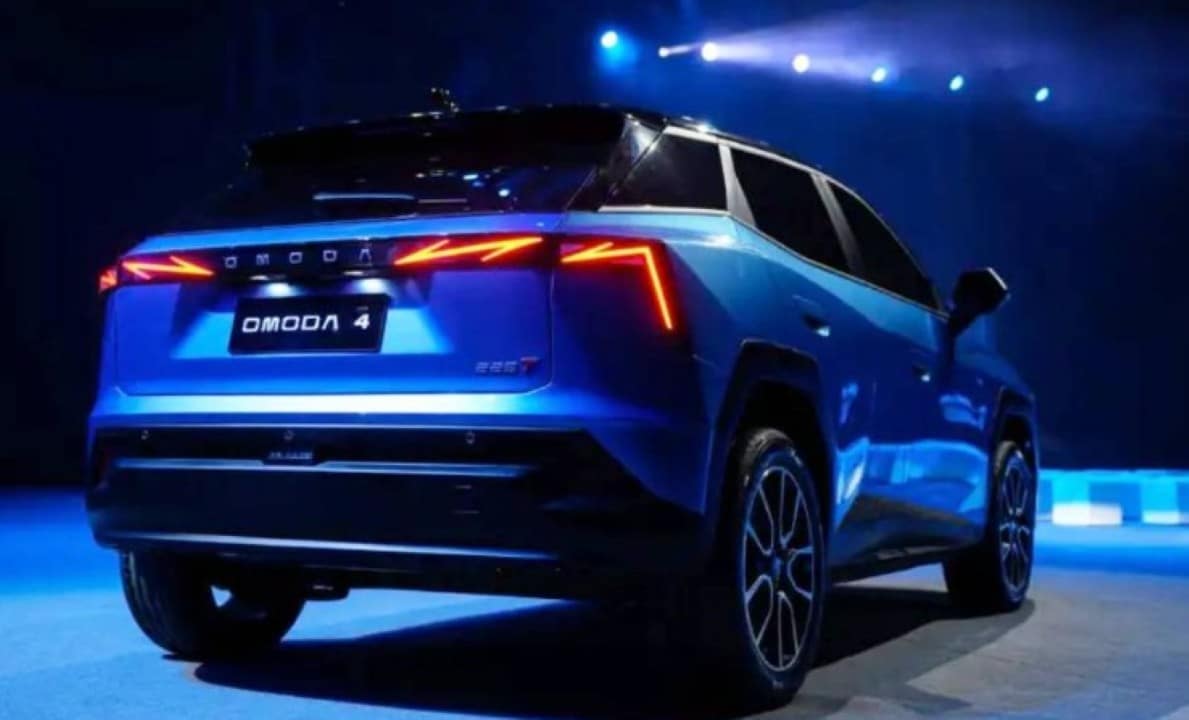
The dispute in the compact SUV segment gains a new chapter with the aggressive strategy of the Chinese brand Omoda & Jaecoo in the national market. The Omoda 4 model arrives in the country bringing an electrified mechanical package that promises superior efficiency to traditional combustion rivals, positioning itself as a technological alternative in the sector. With a focus on modern design and sustainability, the vehicle seeks to attract consumers who want to migrate from hatchbacks to sports utility vehicles without giving up fuel economy.
The launch is part of a robust expansion plan for the manufacturer, which belongs to the Chery group and recently started local operations. The utility arrives with the mission of competing directly with consolidated names, such as Volkswagen Tera, Fiat Pulse and Renault Kardian. Para Therefore, the focus is on a generous list of standard equipment and an engine that does not require external recharging, aiming to meet the urban and road mobility needs of Brazilians.

The automaker’s commercial strategy positions the new SUV in a price range below R$150,000 for the entry-level version, a value considered aggressive for models with hybrid technology. Essa pricing puts automobiles at a competitive advantage, especially in large urban centers where restrictions on polluting vehicles are beginning to be debated more frequently. The expectation is that the cost-benefit ratio will attract a significant portion of the emerging middle class.
In addition to the price, the model stands out for its dimensions that guarantee comfort for the occupants, measuring approximately 4.40 meters in length. The coupe design, marked by fluid lines and youthful appeal, attempts to differentiate the product in a market saturated with options with a more conservative look. The wide front grille and tapered LED headlights create a distinct visual identity, while the light alloy wheels, which vary between 17 and 18 inches, reinforce stability and sporty aesthetics.
Energy efficiency and mechanical performance
The heart of the Omoda 4 is its full hybrid system (HEV), which combines a 1.0 three-cylinder turbo combustion engine with an electric unit, resulting in a combined power output of close to 200 hp. Diferente of plug-in hybrids, this system does not require charging sockets, managing energy autonomously while driving. The transmission, which can be automatic CVT or dual clutch depending on the configuration, works to optimize torque delivery and reduce energy waste.
Preliminary tests indicate that the vehicle is capable of achieving average consumption of 18 km/l in a mixed cycle, an impressive number for the category. The system automatically switches between electric propulsion at low speeds and combined use in situations of greater demand, ensuring agility when overtaking and silence in urban traffic. Essa efficiency represents a reduction of up to 30% in fuel consumption compared to purely combustion models.
Embedded technology and active safety
Inside, technology is one of the pillars of the project, with emphasis on a 12.3-inch high-resolution multimedia screen. The infotainment system offers connectivity with Android Auto and Apple CarPlay, in addition to supporting “over-the-air” updates, which eliminates the need for dealership visits to update the software. Integrated voice Assistentes allows control of functions such as climate control and audio, improving interaction between the driver and the machine.
Safety also receives special attention, with the inclusion of six standard airbags, covering side and curtain protection. The driving assistance package (ADAS) includes autonomous emergency braking and lane keeping assistant, features that raise the safety standard in the segment. Sensores 360-degree parking assist in maneuvering in tight spaces, reducing the risk of minor collisions in everyday life.
Network expansion and future plans
The brand plans to triple its sales volume by the end of 2026, with an ambitious target of 50 thousand vehicles sold in the year. Para To support this growth, the dealership network is being expanded to 50 points in 17 states, guaranteeing coverage in the main capitals and medium-sized cities. The investment in team training aims to ensure after-sales support in line with global standards, a constant concern for new brands in the country.
In addition to imports, local production is under study, with feasibility analyzes in states such as São Paulo and Bahia. The decision will depend on logistical factors and tax incentives, aiming to reduce import costs and stabilize prices in the long term. The nationalization of components and partnership with local suppliers are fundamental steps to consolidate the manufacturer’s presence and guarantee the availability of spare parts.



