
Playground Games officially announces Japan and massive list of vehicles for Forza Horizon 6 debut

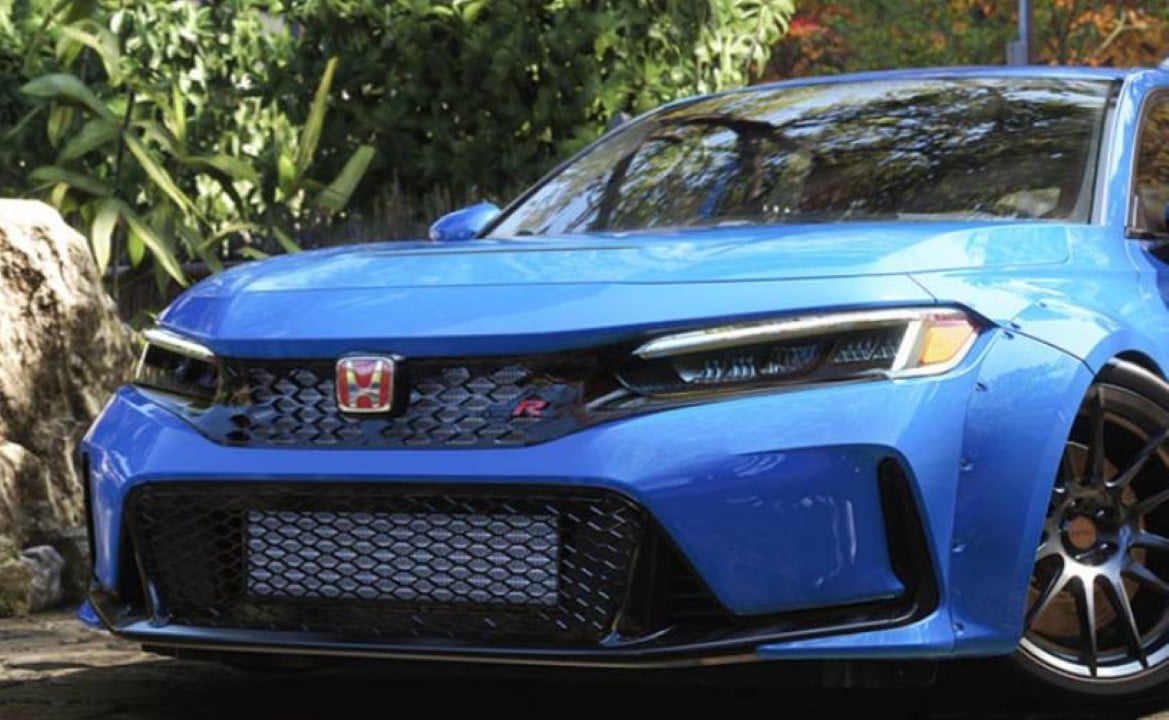
Playground Games ended months of speculation by releasing concrete details about the next chapter of its open-world racing franchise. The studio confirmed that the title will hit the market on May 19, bringing a setting focused on the Japanese islands and an initial catalog consisting of 550 detailed automobiles. The production promises to raise the level of simulation, integrating electrification technologies and improved visual fidelity for current generation consoles.
Fleet renewal and debut of new models
To ensure the freshness of the experience, the developers included more than 100 models that have never been present in the saga before. Essa strategic decision aims to attract both series veterans and new Game Pass subscribers, offering a virtual garage that mixes nostalgia and modernity. The curation of vehicles was directly influenced by the geography of the new map, balancing historical preservation with the innovation of contemporary automotive engineering.

Virtual riders will be able to explore everything from the capital’s metropolitan expressways to winding mountain passes, known locally as “touge”. The campaign progression was designed to function as an environmental narrative, where each unlocked car reveals a facet of local culture and global mechanical evolution, creating an interactive timeline during gameplay.
Protagonism of Asian automakers in the scenario
As the game takes place in the East, local manufacturers received priority attention when building the asset list, consolidating Japão as the heart of this new title. The Toyota offers a complete timeline, starting from the classic 2000GT from 1969 to the most recent versions of the Gazoo Racing division, such as the GR Yaris and the GR86, highlighting its presence in the sports car market.
The Nissan also stands out with the inclusion of legends like the Skyline 2000GT-R and the new Z, allowing players to feel the evolution of on-track performance through the generations. The Honda and Mazda complement the grid with era-defining icons such as the NSX-R and RX-7, reinforcing immersion in the Japanese atmosphere and rotary engineering culture.
Urban mobility and historic compacts
One of the big news is the formal introduction of the culture of “Kei Cars”, compact vehicles that define traffic in the large cities of the host country. The game’s physics have been adapted to make driving these lightweight models competitive and fun, especially on tight circuits and dense urban areas. Entre the highlights confirmed for this specific category are models that marked an era:
- The Honda City E II and Honda Beat represent the agility of urban compacts.
- The Suzuki Cappuccino returns to offer the experience of a small roadster.
- The Autozam AZ-1 draws attention with its bold design with gullwing style doors.
These cars are essential for navigating narrow routes shown on the map and respond to a long-standing request from the community for vehicles that represent local daily life.
Presence of super sports cars and off-road vehicles
Despite the regional focus, the tradition of including European luxury remains intact with renewed partnerships with major Italian and British houses. The Ferrari offers everything from the classic 275 GTB4 to the FXX-K, a track-only model that represents the pinnacle of Maranello technology. The Lamborghini follows suit, bringing the Huracán STO and electric concept Terzo Millennio to fans of futuristic design.
To deal with the rugged terrains of Japanese forests and mountains, the game introduces rugged UTVs like the Can-Am Maverick



