
Scientists plot complex route via Jupiter to reach interstellar comet 3I/ATLAS in the coming decades

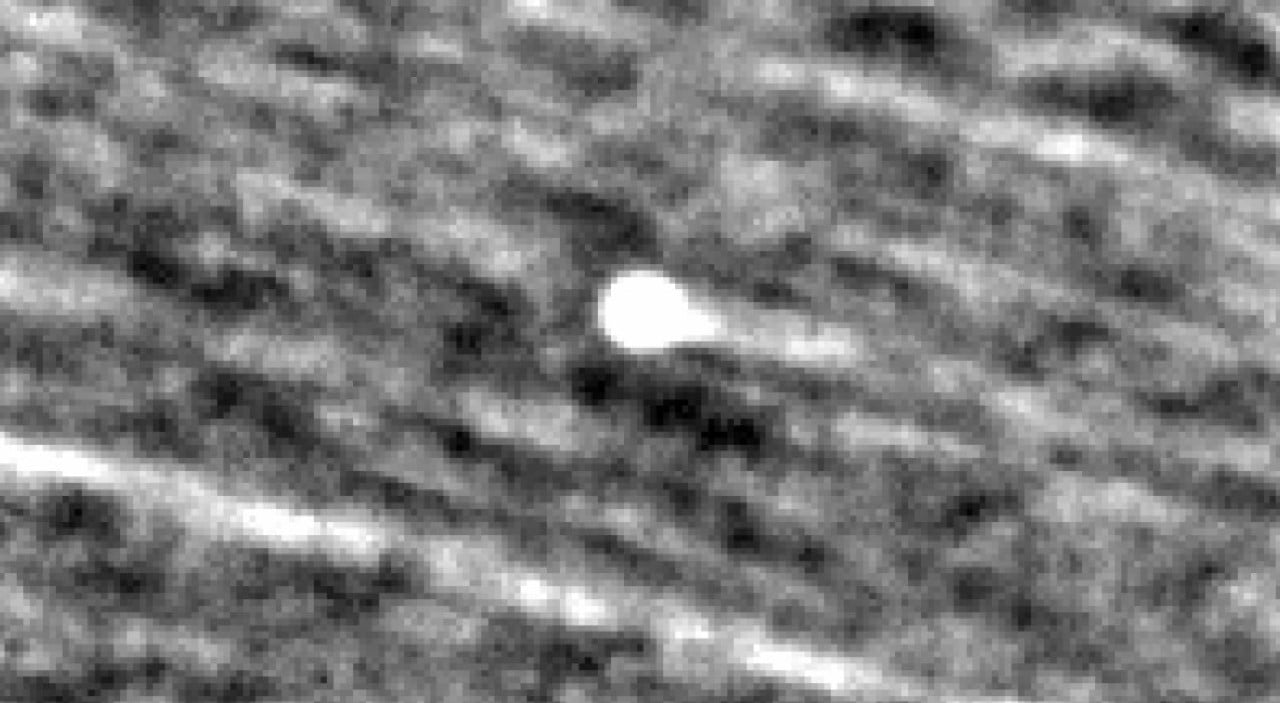
Astronomical researchers have developed a detailed technical strategy to enable the study of object 3I/ATLAS, recently confirmed as the third interstellar body to cross Sistema Solar. The hyperbolic speed of the object, which exceeds 60 km/s, combined with an extremely inclined orbit, makes it impossible to use current technologies for direct orbital coupling or simple interception.
The only alternative considered feasible by experts involves a high-speed flyby, allowing a probe to collect crucial information during a brief approach window. The success of this endeavor depends on rigorous orbital alignment and planning that spans decades.

Crucial steps for successful interception
– The schedule foresees the launch of the spacecraft from Terra with an initial destination of Júpiter, aiming for the first gravitational assistance.
– The probe would fly over the gas giant to redirect its trajectory back to Sol, drastically increasing its heliocentric speed.
– The plan includes a risky dive close to Sol, where the main burn of the engines would occur at perihelion to maximize the so-called Oberth effect.
– The final phase consists of an escape trajectory calculated to intercept comet 3I/ATLAS between the years 2070 and 2085.
Technical challenges and target characteristics
The celestial body was detected in July 2025 by the ATLAS system and, after passing through perihelion in October of the same year, it demonstrated intense activity with the release of methane, carbon dioxide and water vapor. X__NM0____
The mass limitation imposed by the need for robust heat shields forces scientists to make difficult choices about onboard instrumentation. The project prioritizes high-resolution cameras and spectrometers capable of operating in the short encounter windows, ensuring that, even after decades of travel, the probe can send unprecedented comparative data on matter from other stellar systems.



