
Xiaomi 17 Ultra brings high-capacity battery and advanced Leica system to surpass rivals in the global market

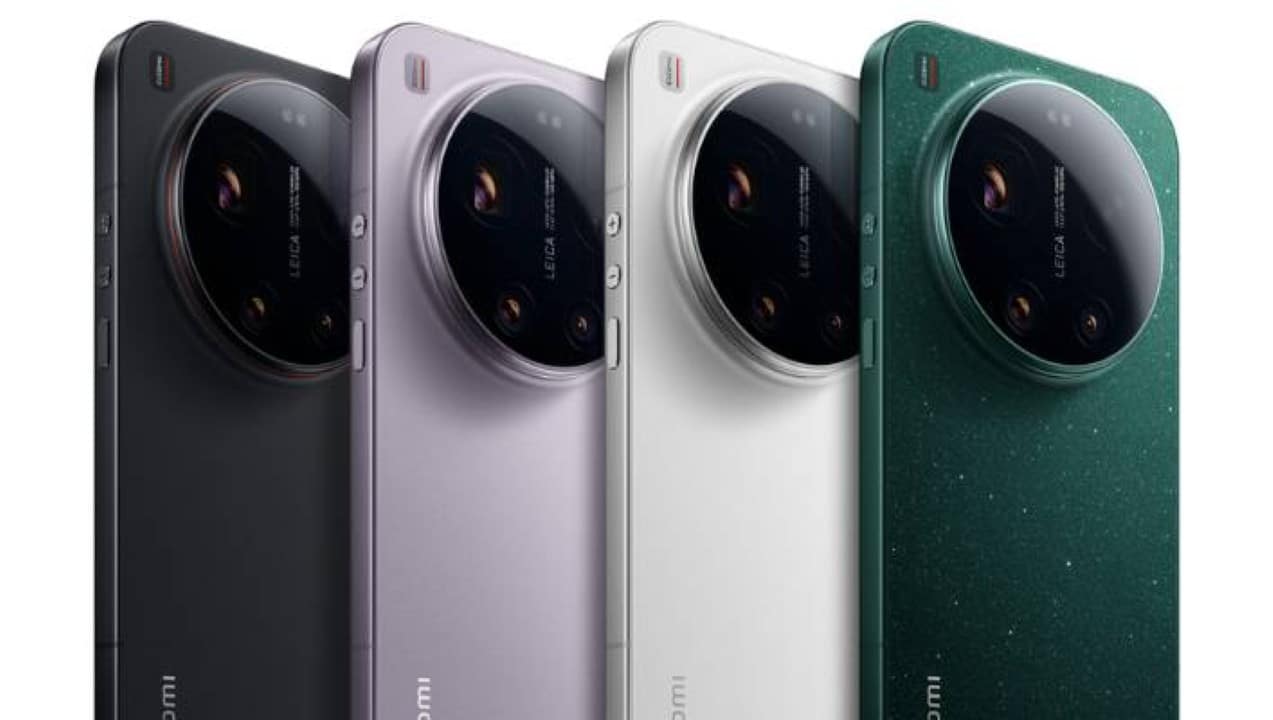
The mobile technology sector eagerly awaits the global launch of the Chinese giant’s next major device, scheduled to reach the international market in March 2026. The brand’s new bet for the high-luxury segment promises to redefine performance and autonomy standards, consolidating itself as a robust tool for both content creators and professionals who demand maximum efficiency in their daily equipment. The model is already in the mass production phase and is undergoing the final certifications necessary to operate in network infrastructures around the world.
Engineers dedicated months to refining the integration between cutting-edge hardware and proprietary software, aiming to deliver a mature product from the first day of sales. The company’s strategy for this cycle involved an internal reorganization of components, resulting in the removal of the auxiliary rear screen seen in past generations, which allowed for a cleaner, more ergonomic design. The main focus is on durability and user experience, with the device boasting IP68 certification for resistance against water and dust, in addition to construction materials selected to combine aesthetics and robustness.

Advances in processing and internal architecture
At the heart of the system operates the unprecedented Snapdragon 8 Gen 5 processor, a component designed to enhance artificial intelligence capabilities in portable devices. Análises Preliminary performance indicators indicate an approximate 15% jump compared to the previous generation, which translates into greater fluidity for complex tasks and intensive multitasking. Para sustain this firepower, the device adopts the LPDDR5X memory architecture with up to 16 GB of RAM, ensuring that multiple heavy applications remain active without choking.
The internal storage follows the high-speed UFS 4.1 standard, with capacities reaching up to 1 TB, essential for storing high-resolution videos and large file libraries. The internal infrastructure was designed to minimize bottlenecks in data transfer, ensuring that the flow of information between the chipset, memory and image sensors occurs practically instantly, benefiting everything from basic navigation to augmented reality applications.
Revolution in energy autonomy
One of the most aggressive differences of this launch is the implementation of a battery with a capacity of 6800 mAh, a value significantly higher than the average found in direct competitors. The high energy density of the cell allows the smartphone to remain active for more than a day, even under intense use, meeting one of the main demands of modern consumers for greater independence from sockets.
The recharging system was designed to offer versatility and speed, adapting to different routines:
– Suporte for 100W wired charging, capable of restoring full power in minutes.
– 50W wireless Carregamento, maintaining convenience without sacrificing speed.
– Gestão intelligent consumption via 6.9-inch LTPO OLED display.
– Otimização usage in 2K resolution with variable refresh rate.
Optical excellence in partnership with Leica
Continued collaboration with Leica has resulted in an improved optical system, where the 50 MP main sensor utilizes “Light Hunter” technology, specifically calibrated to capture sharp details even in low-light environments. Testes practical tests demonstrated a digital noise reduction of up to 20% compared to the predecessor model, delivering cleaner and more realistic images.
The highlight of the photographic set is the periscopic lens equipped with a 200 MP sensor. Este component not only serves to zoom in on distant objects clearly, but also enables the telemacro function, allowing detailed recordings at short distances. Completam the system has a 50 MP ultrawide lens, ideal for landscapes, and a 50 MP front camera, ensuring high-resolution selfies.
Next generation software and connectivity
All hardware is managed by HyperOS 3, an operating system based on Android 16, developed to offer intuitive navigation and deep customization. The interface promises a more fluid integration with the brand’s product ecosystem, in addition to guaranteeing updates via OTA (over-the-air) to keep the device secure and compatible with future technological standards.
In terms of connectivity, the modem integrated into the Qualcomm chipset ensures full compatibility with next-generation 5G networks and introduces support for satellite communication. Esta security functionality allows sending messages and emergency calls in remote areas without conventional cellular coverage, a vital feature for adventurers and field professionals. With an estimated price of around 6000 yuan in the Chinese market, the device is positioned to compete directly with the main global flagships, reinforcing the manufacturer’s ambition to lead the premium segment.




