
Astronomers confirm the occurrence of a blue moon and thirteen full moons in the calendar of the next cycle

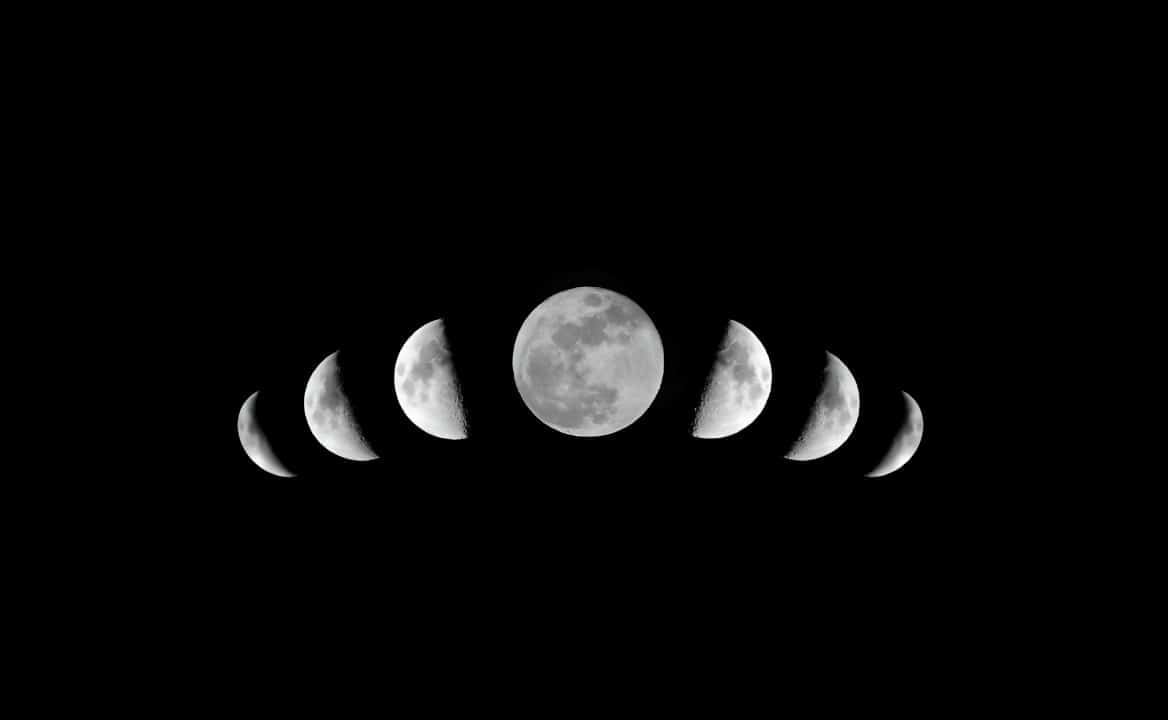
The alignment of celestial bodies will provide a different spectacle for observers of the night sky during the next annual period. Diferente of the usual pattern of twelve complete appearances of the natural satellite, the new cycle will feature thirteen full moons, an event caused by the mathematical discrepancy between the solar year and the lunar phases. The orbit of Lua around Terra is completed approximately every 29.5 days, which generates a total of approximately 354 days for twelve complete lunar cycles, leaving a difference of eleven days in relation to the Gregorian calendar of 365 days.
This surplus of days accumulates over the years, periodically resulting in the occurrence of an additional full moon within the same calendar year. The phenomenon not only alters the traditional count of lunar months, but also brings specific events of great astronomical interest, such as the so-called Lua Azul and multiple supermoons, moments in which the satellite reaches its perigee, the point of greatest proximity to the planet, appearing larger and brighter.
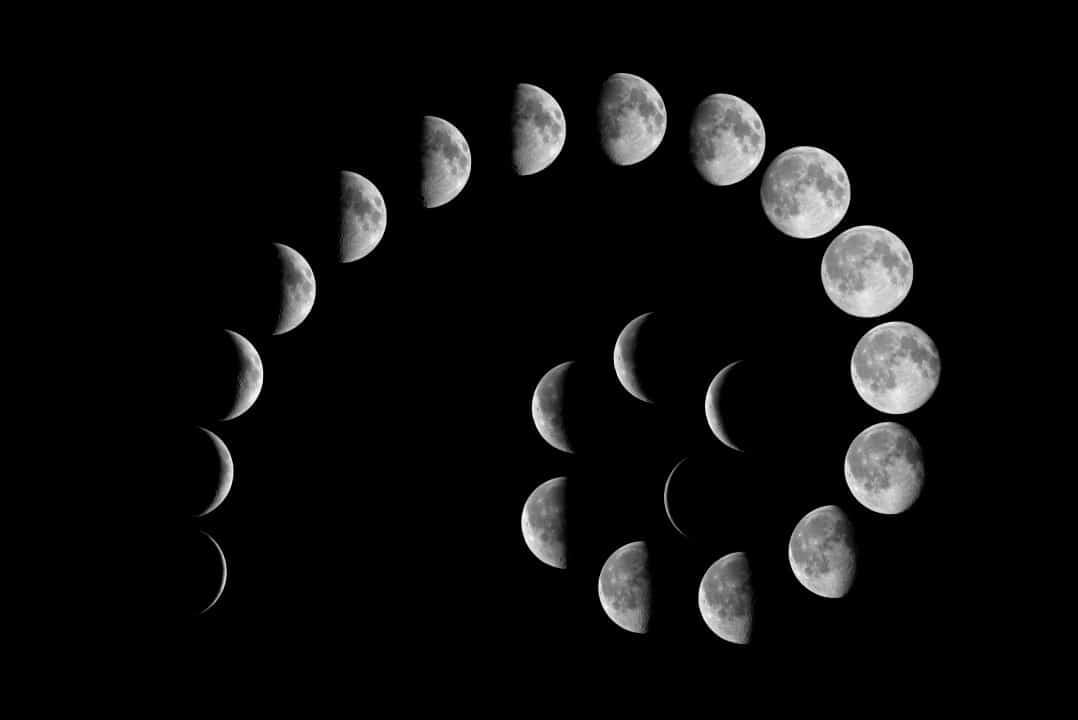
Experts highlight that observing these phenomena offers a unique opportunity to connect with the natural rhythms that governed ancient civilizations. The names given to each full moon, mostly derived from North American indigenous traditions and ancestral agricultural practices, serve as temporal markers that indicate seasonal changes, fauna behaviors and ideal times for planting or harvesting.
Initial timeline and perigee phenomena
The beginning of the year will immediately be marked by intense activity in the sky, with events that combine favorable orbital positioning and increased visibility. Janeiro opens the astronomical calendar with Lua Cheia of Lobo, scheduled for the 3rd, reaching its peak at around 10:03 GMT. Este inaugural event is already classified as a supermoon, as the satellite will be positioned in the constellation of Câncer and at its perigee point, guaranteeing a visual spectacle of great luminosity for those observing the horizon.
Following this, the month of February will bring Lua Cheia of Neve on the 1st, with the maximum moment occurring at 22:09 GMT, under the constellation of Leão. The historical nomenclature of this full moon makes direct reference to the severe weather conditions typical of the Northern Hemisphere at this time, where heavy snowfalls used to make hunting and movement difficult for native tribes.
March holds one of the most complex moments of the first quarter, with Lua Cheia of Gusano occurring on the 3rd, at 11:38 GMT, on Virgem. The Este event will be accompanied by a total eclipse of the Lua, an optical and physical phenomenon where the shadow of the Terra covers the satellite. Durante total eclipses, it is common for Lua to acquire a reddish hue due to the refraction of sunlight in the Earth’s atmosphere, although the total visibility of the eclipse depends on the observer’s geographic location, and may not be fully visible in regions such as Brasil or Espanha.
Closing the first four months, April presents Lua Cheia of Urso on the 2nd, at 03:12 GMT, positioned at Libra. The name refers to the period in which fauna, specifically bears, begin to awaken from hibernation and become active again, signaling the consolidation of spring in the northern hemisphere and autumn in the south.
The lunar duplicity of the month of May
The main highlight of the astronomical calendar is the month of May, which will host two full moons, a relatively rare event that gives rise to the term “Moon Azul”. Este phenomenon is a direct consequence of the lunar cycle being shorter than most months in the civil calendar. The first appearance occurs at the beginning of the month, on the 1st, known as Lua Cheia of Flor, at 17:23 GMT, on Escorpião, celebrating the peak of flowering in temperate regions.
The second full moon of the month, the infamous Lua Azul, will occur on May 31st, at 08:45 GMT, in the constellation of Sagitário. It is important to highlight, from a scientific point of view, that the term does not imply a change in the physical color of the satellite. The Lua will maintain its usual pearl-gray appearance; the name only serves to distinguish the second full moon occurring within the same month, an exception marker in the regular flow of time.
Astronomers and enthusiasts await this month with anticipation as it exemplifies celestial mechanics in action, demonstrating how fractions of days add up to create exceptions in the calendar. The occurrence of two full moons within a 30-day interval is a reminder of the complexity of orbital movements that often go unnoticed in daily routine.
Mid-year events and partial eclipses
The second half maintains the rhythm of observations with names that evoke abundance and wildlife. Junho brings Lua Cheia of Morango, scheduled for the 30th (may occur on the 29th depending on the local time zone), at 00:56 GMT, in The designation has roots in the short harvest season for wild strawberries, a crucial period for food gathering in many traditional cultures.
July continues with Lua Cheia of Cervo on the 29th, at 15:35 GMT, at Aquário. Este name is associated with the biological cycle of deer, whose antlers, covered in velvet, begin to grow vigorously at this time of year. Já in August, the sky presents the Lua of the Esturjão on the 28th, at 04:18 GMT, in Peixes. Além from the name linked to the abundant catch of this specific fish in the Great Lakes, this full moon will be accompanied by a partial eclipse of Lua, adding an extra layer of visual interest.
September marks the transition of seasons with Lua Cheia from Colheita on the 26th, at 16:49 GMT, at Áries. Historicamente, this is one of the most important moons for agrarian societies, as its bright light allowed farmers to work in the fields late into the night to ensure the harvest before frost. Outubro complements this cycle with the Lua Cheia of Caçador on the 26th, at 05:11 GMT, on
Closing with supermoon show
The end of the year promises to be as bright as its beginning, with the occurrence of consecutive supermoons in the final months. Novembro presents to Lua Cheia of Castor on the 24th, at approximately 20:53 GMT, in the constellation of Gêmeos. Classificada as a supermoon, it will appear slightly larger in the sky, coinciding with the period in which beavers finish preparing their dens for the cold.
December ends the cycle of thirteen moons with Lua Cheia Fria on the 24th, the eve of Natal, at 02:28 GMT, in Câncer. Esta last supermoon of the year lights up the longest nights in the northern hemisphere, offering a striking visual contrast. The concentration of supermoons in January, November and December indicates that the satellite will be in perigee repeatedly during the extremes of the year, favoring observation and photography.
For those interested in recording these phenomena, it is recommended to search for locations away from large urban centers. Light pollution from cities drastically interferes with the visibility of details on the lunar surface and the perception of eclipses. The use of simple equipment, such as a tripod to stabilize cameras or smartphones, is essential to capture the satellite’s clarity, especially during the rise of Lua on the horizon, when the atmospheric optical illusion magnifies its apparent magnitude.



