
Chery KP31 plug-in diesel hybrid pickup surpasses BYD Shark in capacity and torque

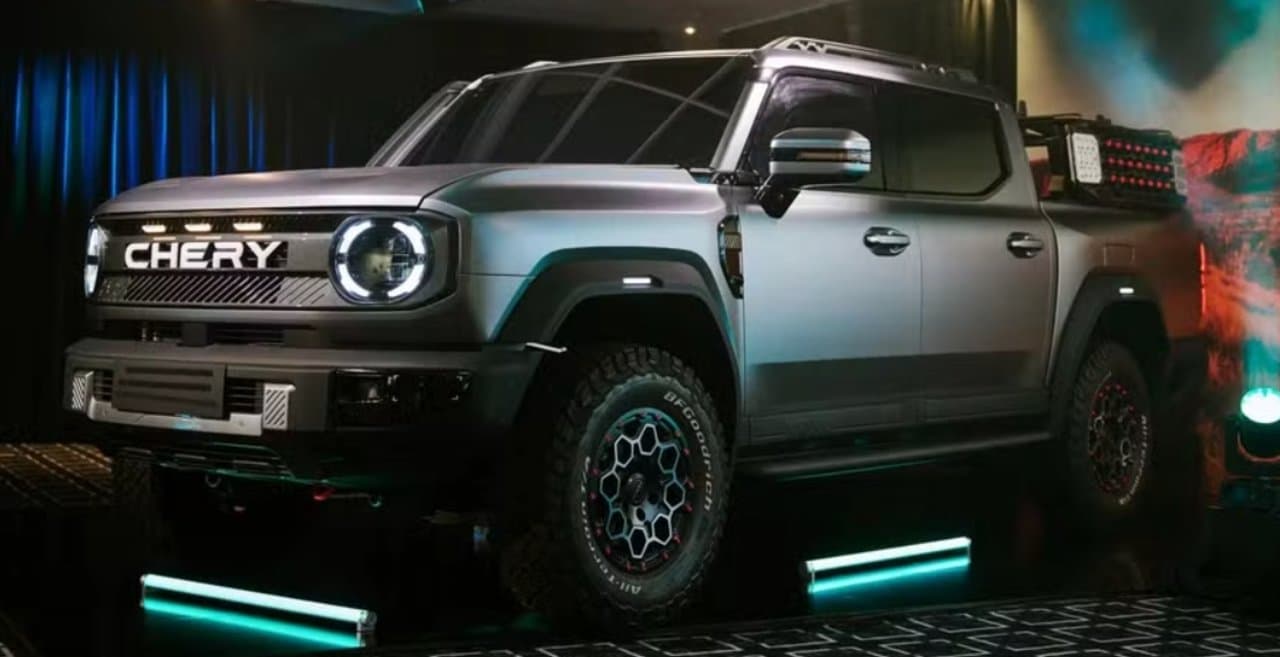
Chery presented the KP31, a plug-in hybrid pickup truck equipped with a turbodiesel engine that solves limitations seen in models such as the BYD Shark. The vehicle combines a 2.5 turbodiesel engine with a plug-in hybrid system, maintaining high torque, load and towing capacity even with a discharged battery. The commercial debut will take place in the fourth quarter of 2026, starting with Austrália, with plans to expand to Europa, África and Brasil. The brand highlights innovation as a competitive differentiator in the medium pickup truck segment.
The mechanical configuration allows for consistent performance under heavy use. The diesel engine achieves thermal efficiency 10% higher than equivalent units and reduces vibrations by 30%. Esses advances guarantee optimized consumption and extended autonomy, especially on long journeys or with a trailer.
Chery KP31 stands out for its diesel hybrid mechanics, unprecedented in the segment
The KP31 becomes the first medium pickup truck to combine a turbodiesel engine with a plug-in hybrid system. Essa solution overcomes common criticisms of gasoline plug-in hybrids, which lose performance when the battery is depleted. The electric package offers zero-emission mode on short journeys, while the diesel sustains power under high demands.
The load capacity reaches 1,000 kg and the braked trailer reaches 3,500 kg. Esses numbers put the KP31 on par with traditional mid-size diesel pickup trucks and outperform gasoline hybrid competitors. The BYD Shark, by comparison, registers 790 kg of payload and 2,500 kg of towing, which restricts heavier applications.
The 4×4 traction system includes front, center and rear differential locks. Modos selectable drive settings adapt the vehicle to different terrains. Essa configuration favors off-road use, maintaining high torque at low speeds.
Robust design takes inspiration from the brand’s SUVs
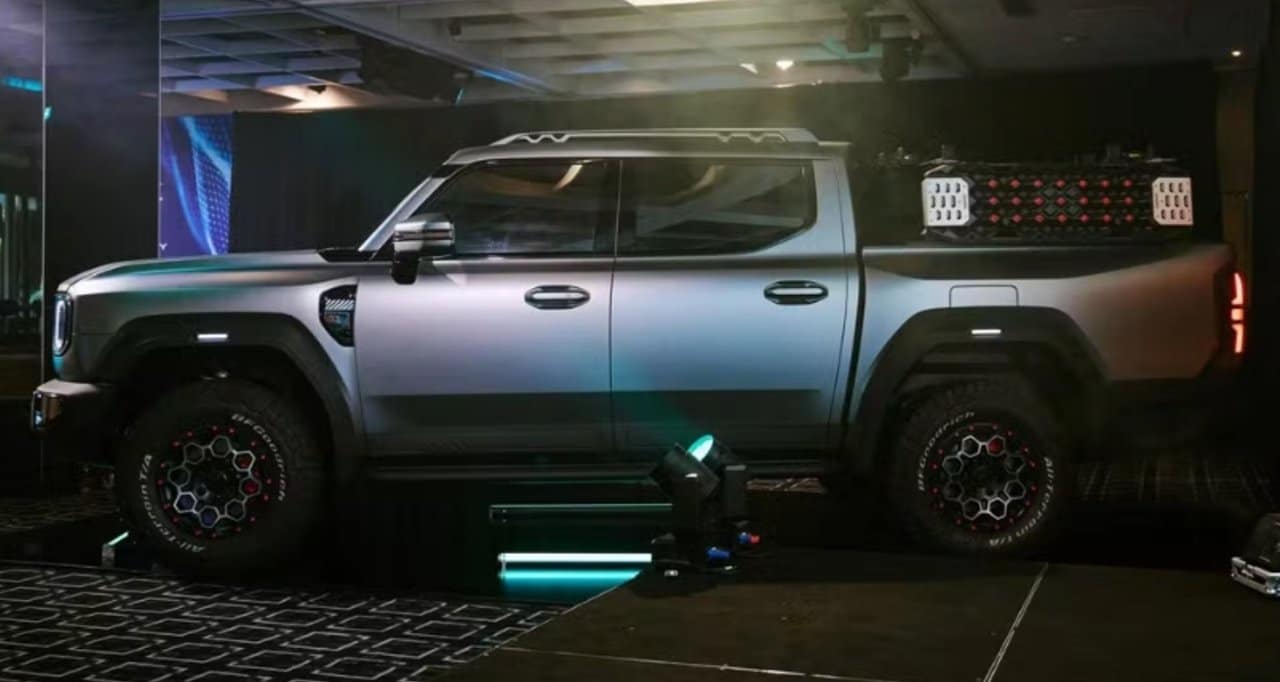
The look of the KP31 adopts strong lines inspired by Chery SUVs, mainly the Jetour T2. The front features round LED headlights and position lights integrated into the wide grille, with “Chery” written in large letters. The reinforced front bumper conveys off-road robustness.
On the sides, prominent wheel arches and mud tires complete the adventurous appearance. The rear again displays the brand’s identification, occupying a large part of the trunk lid. The prototype measures 5.61 m in length, but the production version reduces it to around 5.45 m, the segment standard.
The bodywork maintains construction on a spar chassis and rear leaf spring suspension. Essa architecture prioritizes durability in severe conditions, common in markets such as Austrália and África.
Main technical specifications confirmed by Chery:
- Engine: 2.5 turbodiesel with plug-in hybrid
- Load capacity: 1,000 kg
- Towing capacity: 3,500 kg
- Traction: 4×4 with differential locks
- Thermal efficiency: 10% higher than similar engines
- Vibration reduction: 30% less than equivalent units
Launch starts on Austrália at the end of 2026
The plug-in diesel hybrid version debuts in the fourth quarter of 2026, with an initial focus on the Australian market. The expansion continues to Europa and África, taking advantage of demand for efficient and robust vehicles. The arrival at Brasil is expected, given the high sales volume in the medium pickup truck segment.
The Chery plans to compete directly with the Ford Ranger, Toyota Hilux and electrified models such as the BYD Shark. The strategy reinforces the brand’s presence in categories other than SUVs, after heavy investments in this segment.
Petrol hybrid version arrives in 2027
In 2027, a variant with a plug-in hybrid gasoline engine will appear. Essa configuration adopts rear suspension using coil springs, prioritizing comfort. The option rivals Ford Ranger PHEV and BYD Shark, expanding choices for different consumer profiles.
The KP31 represents Chery’s commitment to innovative electrification for pickup trucks. The model combines traditional robustness with modern technologies, aiming to gain space among global leaders in the segment.




