
Comparison reveals crucial performance differences between Samsung and Xiaomi’s new top of the range

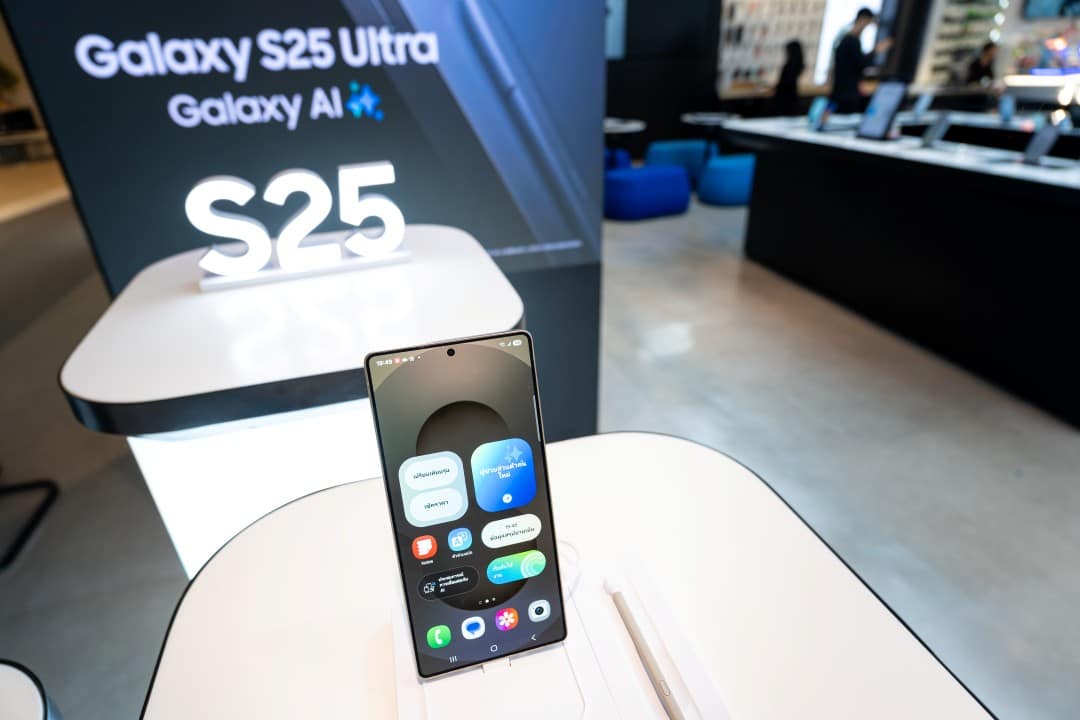
The ultra-performance smartphone segment is experiencing a moment of strategic bifurcation, where two of the largest manufacturers in the world are adopting opposite paths to win over the demanding consumer. The current dispute highlights distinct engineering philosophies: the consolidation of a mature ecosystem focused on artificial intelligence versus the delivery of raw technical specifications aimed at extreme speed. Essa rivalry defines this year’s technological landscape, forcing the user to decide between refinement and pure power.
On the one hand, the South Korean giant is committed to continuity and a polished user experience, integrating productivity features and long-term software support. Do Another, the Chinese manufacturer, through its subsidiary aimed at the enthusiast public, invests in aggressive hardware components and charging systems that defy current physical limits.
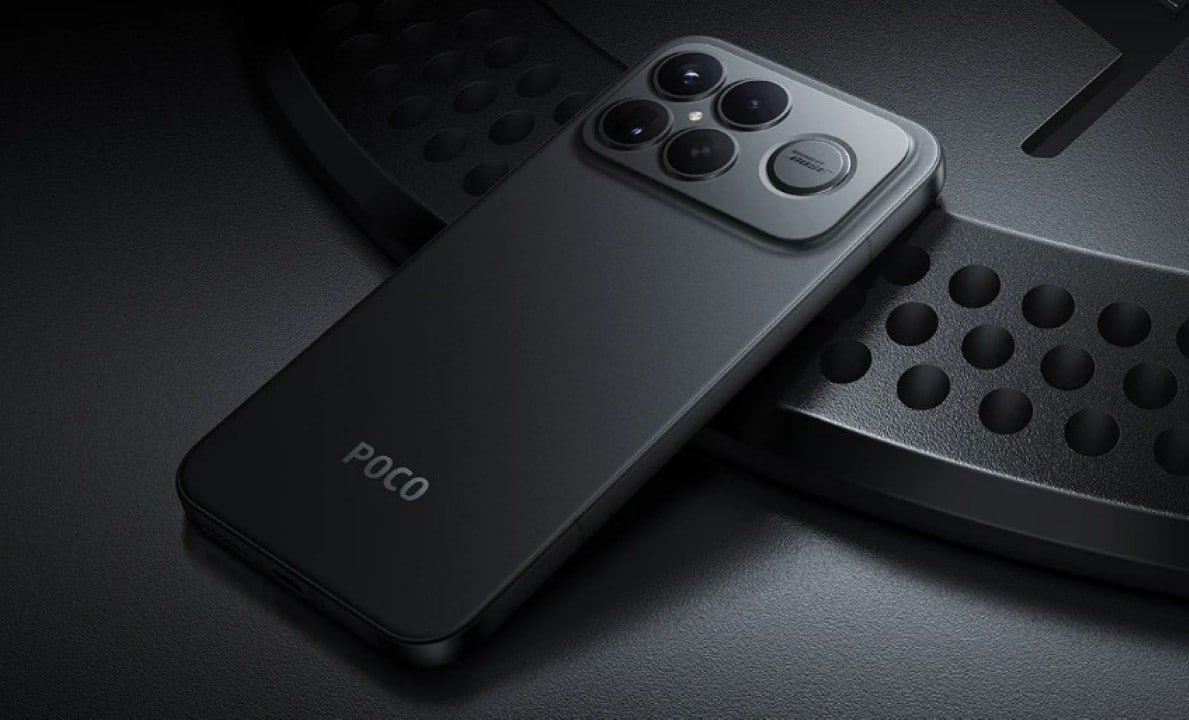
Recent tests indicate that the purchasing decision goes beyond the simple comparison of technical data sheets, now depending on the user’s lifestyle. Enquanto one device stands out as a work and content creation center, the other is positioned as a portable gaming and multimedia consumption console, creating a watershed in the premium market.
Divergences in construction and display technologies
The physical structure of the devices reflects the priorities of each brand, with the Galaxy S25 Ultra maintaining sophistication through the use of grade 5 titanium, ensuring resistance and a premium feel. In contrast, the POCO F8 Ultra adopts a pragmatic approach with an aluminum body and textured polymer back, designed to improve grip during long use sessions and avoid fingerprints.
The screens also present different proposals, although both deliver elite quality. The Samsung model uses an LTPO panel with QHD+ resolution and Gorilla Armor 2 glass to minimize reflections, while the Chinese rival offers support for Dolby Vision, 12-bit color depth and an intense brightness that reaches 2,000 nits. In the audio system, the Xiaomi device innovates with a 2.1 system developed with the Bose, including a dedicated subwoofer, contrasting with the competitor’s balanced hybrid stereo sound.
Energy processing and management
The heart of the devices reveals Xiaomi’s quest for leadership in benchmarks, equipping its model with the Snapdragon 8 Elite Gen 5 and up to 16 GB of RAM, which results in scores exceeding 3 million on AnTuTu. Já to Samsung opts for an optimized version of the Snapdragon 8 Elite with 12 GB of RAM, prioritizing system stability and fluid integration with the S
Autonomy presents an interesting technical paradox among competitors.
The POCO F8 The Galaxy S25
Cameras and market reality in Brasil
In terms of photography, the Samsung maintains its hegemony in terms of versatility, with a 200 MP main sensor and excellent 4K video capability at 60 fps on all lenses. POCO, however, surprises in low light with its 50 MP set and 5x telephoto lens, offering competent results for its target audience.
The decisive factor for the Brazilian consumer ends up being cost and availability. The Galaxy S25 Já the POCO F8



