
Exclusive visual privacy: Galaxy S26 Ultra introduces innovative feature against prying eyes

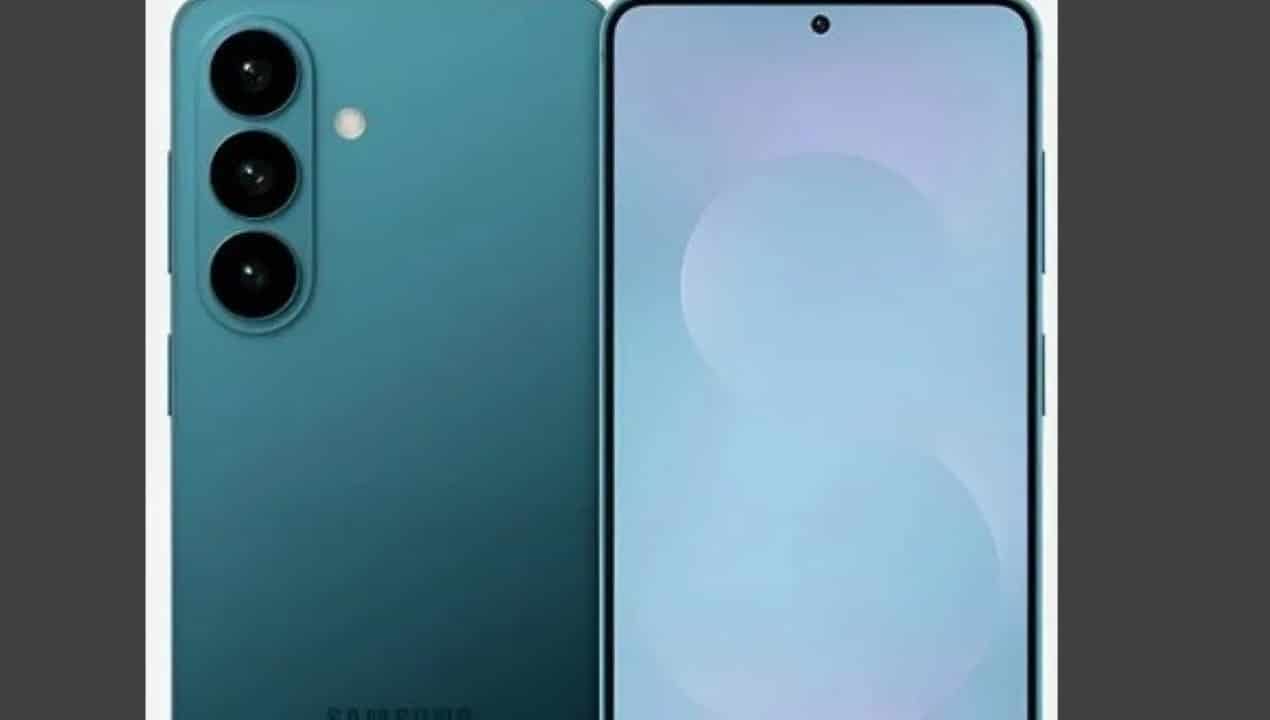
Protecting sensitive information on mobile devices has taken a significant step forward with the introduction of a new privacy screen on the Galaxy S26 Ultra. Apresentado officially on February 25th during Galaxy Unpacked, in São Francisco, Estados Unidos, this exclusive feature of the most advanced model in the series aims to combat “shoulder surfing”, the practice of people peeking at the content of a user’s screen. The innovation is the result of a strategic combination of hardware and software, promising an additional layer of security for consumers’ digital routine.
The digital age has intensified the need to safeguard personal data in public environments. Seja checking messages on public transport, accessing banking applications in a queue, or viewing notifications in shared spaces, the visual exposure of what is on the cell phone screen has become a constant vulnerability. Essa reality has led to the search for more effective solutions than traditional films, which often compromise the continuous use experience.
Samsung, with the launch of this cutting-edge model, directs its efforts to offer a safer experience, allowing users to have control over who can view the content on their smartphones. Este advancement represents a direct response to growing privacy and security concerns in the everyday use of mobile technology, cementing the position of the Galaxy S26 Ultra as a device focused on user protection.
Combating “shoulder surfing”

“Shoulder surfing” is a silent and often underestimated threat where attackers obtain sensitive information just by looking at a device’s screen over someone’s shoulder. Senhas, bank details, personal messages and work documents are frequent targets of this form of visual spying. Vulnerability is particularly high in public and crowded places where physical proximity is unavoidable.
To mitigate this risk, the Galaxy S26 Ultra integrates a technology that limits the screen’s viewing angle, making content intelligible only to those directly in front of the device. Diferentemente of passive solutions, such as privacy films that permanently reduce visibility, this feature can be activated and deactivated as needed, offering flexibility to the user. Essa adaptability is crucial, as it allows normal screen viewing in private moments, but instant protection when in public.
The ability to adjust sensitivity and apply the function to specific applications is an important differentiator. Isso means that the user can configure the privacy screen to only act when opening banking, email or messaging applications, for example. Tal granularity in protection raises the level of security, without compromising the usability of the smartphone in other everyday situations.
Technology behind the adaptive screen
The innovation present in the Galaxy S26 Ultra is not limited to a simple visual filter. Sua operation combines advanced hardware components with intelligent software algorithms to create a dynamic private screen effect. Essa integration allows the device to change the polarization pattern of the light emitted by the display, directing it more narrowly towards the user.
The screen uses microstructures that control the dispersion of light, making content appear unreadable or very dark to those observing from side angles. Este precise control is what distinguishes Samsung’s technology from other approaches, which typically apply a physical layer that blocks light indiscriminately, impacting image quality and brightness for the primary user. The software comes into action to manage the activation and deactivation of privacy mode, also allowing fine adjustments of intensity and the selection of which applications will benefit from the functionality.
This synergy between hardware and software ensures that the privacy experience is not only effective, but also personalized. The user has the power to decide when and how this protection will be activated, optimizing battery consumption and screen clarity at times when visual privacy is not an immediate concern.
Usage scenarios and practical benefits
The practical application of the privacy screen on the Galaxy S26 Ultra covers a wide range of everyday situations, making digital life safer. In busy urban environments, such as buses, subways or airports, where people are in constant proximity, the resource proves to be indispensable. On Nessas occasions, simply exchanging messages or reading a document can expose personal information to unwanted eyes.
The functionality offers peace of mind when carrying out financial operations, such as checking your bank balance or making payments, in cashier queues or in public places where entering passwords is inevitable. The ability to turn on privacy on demand means the user doesn’t have to sacrifice screen clarity at home or in private environments, but can quickly turn it on when entering a public space.
These examples illustrate how the privacy screen is not just a luxury, but a growing necessity for digital security in an increasingly connected and exposed world. Samsung, with this feature, meets a latent demand for greater control over the visibility of personal information.
Implications for mobile security and the market
The introduction of a native privacy screen on the Galaxy S26 Ultra sets a new bar for mobile security. Enquanto biometrics and encryption protect access and stored data, visual privacy addresses an important gap in protecting against physical and social threats. Esse type of innovation can drive other manufacturers to develop similar solutions, raising the standard of safety across the industry.
In the smartphone market, differentiation through robust privacy features can become a deciding factor for consumers. In a scenario where concerns about data protection are increasing, devices that offer advanced tools to safeguard information tend to gain preference. The Samsung demonstrates leadership by integrating this functionality into its high-end model, signaling a trend for the future of mobile technology.
Competition in the high-performance cell phone segment is intense, and features such as the privacy screen contribute to building a more attractive value proposition. Isso could lead to a cycle of innovation where security and visual privacy become aspects as expected as camera quality or processor performance. The impact can be seen not only in sales, but also in the perception of the brand as innovative and protective of the user’s interests.
The future of data protection on smartphones
The evolution of privacy technology in smartphones, exemplified by the Galaxy S26 Ultra screen, points to a future where user security will be even more integrated and adaptable. As digital and physical threats become more sophisticated, protection solutions will need to keep up with this complexity by offering proactive and customizable capabilities. The ability to control your smartphone’s visual environment on demand is just the beginning.
New features could include automatic detection of prying eyes, adjusting screen privacy without manual user intervention, or integration with artificial intelligence systems to learn usage patterns and activate protection preemptively. The continued development of materials and display technologies promises even more energy-efficient displays with better visual performance, even with privacy filters turned on.
Collaboration between hardware manufacturers and software developers will be essential to refining these technologies. Privacy, once a secondary concern, is becoming a fundamental pillar in the design and functionality of mobile devices. The commitment to innovation in this field is an indication that users can expect smartphones that not only connect them to the world, but also comprehensively protect them in all their digital interactions.




