
Poco F8 Ultra outperforms Galaxy S25 Ultra in battery tests and offers much faster recharging

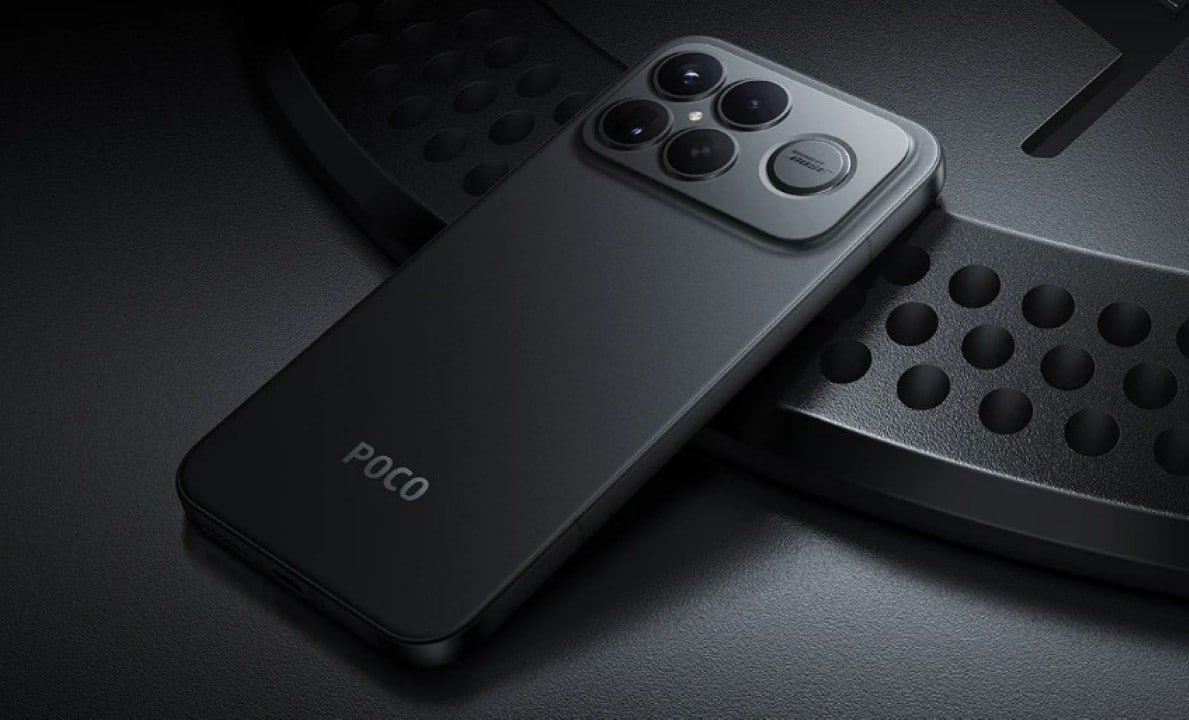
The high-performance smartphone market is witnessing a fierce dispute between two technological giants equipped with the Snapdragon 8 Elite processor. The Poco F8 Ultra emerges as a robust challenger to the dominance established by the Samsung Galaxy S25 Enquanto the Samsung model maintains its tradition of excellence in cameras and software integration, the Xiaomi competitor bets everything on brute force and energy efficiency to conquer a relevant share of the premium segment in 2026.
Technical analysis reveals that, although they share the same processing heart, each manufacturer’s priorities differ significantly in final delivery to the consumer. The Poco device focuses on cost-effectiveness and energy durability, while the Galaxy S line continues to invest in construction refinement and unique productivity features. Essa dichotomy creates a scenario where choosing the ideal device depends less on the speed of the chip and more on the specific needs of daily use, whether for professional photography or gaming marathons.

Crucial Differences in Battery and Charging
The most notable disparity between the two devices lies in the energy storage capacity and recharge speed. The Poco F8 Ultra incorporates a massive 6,500 mAh battery, far surpassing the 5,000 mAh component present in the South Korean rival. Testes practical data indicate that this numerical difference translates into up to 15 hours of continuous use for the Xiaomi model, offering a considerable advantage for users who spend long periods away from sockets.
In addition to the superior autonomy, the challenger’s recharging system appears to be much faster. Support for 100W wired charging allows the Poco to recover its full charge in a fraction of the time required by the Galaxy S25 Ultra, which remains with 45W technology.
Screen and body construction
Although both devices sport 6.9-inch panels, the visual and haptic experience presents important distinctions. The Galaxy S25 Ultra justifies its premium positioning with a superior resolution of 3,120 x 1,440 pixels and LTPO technology, which adjusts the refresh rate to save energy. The titanium construction of the Samsung device provides greater resistance and lightness, in addition to housing the S Pen, an integrated accessory that remains exclusive to the line and absent from the competitor.
The Poco F8 Ultra, in turn, maintains IP68 certification against water and dust, matching its rival in environmental durability. However, its screen focuses on intense brightness for external visibility, giving up extreme resolution in favor of a more balanced performance that doesn’t drain the battery excessively. The straight edge design on both models reflects the current trend in ergonomics, making it easier to hold despite the large dimensions of the displays.
Photographic performance and extra features
The set of cameras exposes the different market philosophies of the two companies. The Galaxy S25 The Samsung system is ideal for content creators who rely on a robust ecosystem and editing tools integrated into the One UI software.
On the other hand, the Poco F8 Pontos strengths and weaknesses of each model can be summarized as follows:
* The Poco F8 Ultra wins in recharge speed, total battery life and more affordable price;
* The Galaxy S25 Ultra dominates in screen resolution, optical zoom capabilities and productivity features with the stylus.
In terms of finances, the advantage of the Poco is undeniable, with a launch price close to 679 dollars, positioning itself as a high added value option. The Já or the Galaxy S25



