
Polar bears in Svalbard surprise scientists by gaining weight despite rapid ice loss in Norwegian Arctic, recent study finds


A study recently published in the magazine Scientific Reports brought unexpected data about the polar bear population in the Svalbard archipelago, in Noruega. Pesquisadores analyzed body measurements of more than 700 adult animals between 1992 and 2019, a period in which sea ice decreased drastically in the region of Mar and Barents.
Scientists observed that after an initial drop in body condition between 1995 and 2000, the bears recovered and even improved their fitness over the next two decades. Essa trend contradicts patterns seen in other areas of Ártico, such as Baía of Baffin and Baía of
The research, conducted by teams from Noruega, Reino Unido and Canadá, highlights that the increase in ice-free days reached almost 100 in the period analyzed. However, bears have demonstrated adaptive capacity, accessing alternative food sources to compensate for the reduction in over-ice seal hunting.
Dietary adaptation of bears
Polar bears in Svalbard are diversifying their diet to include land prey such as reindeer and bird eggs, in addition to walrus carcasses available on the coast. Essa Ecological flexibility allows animals to maintain fat reserves essential for survival in the Arctic winter.
Experts involved in the study emphasize that this strategy has worked so far, but depends on specific local conditions in the region. Access to a variety of prey on the coast of Spitsbergen, the main island of the archipelago, contributes to maintaining the bears’ health.
Impacts of warming in the region
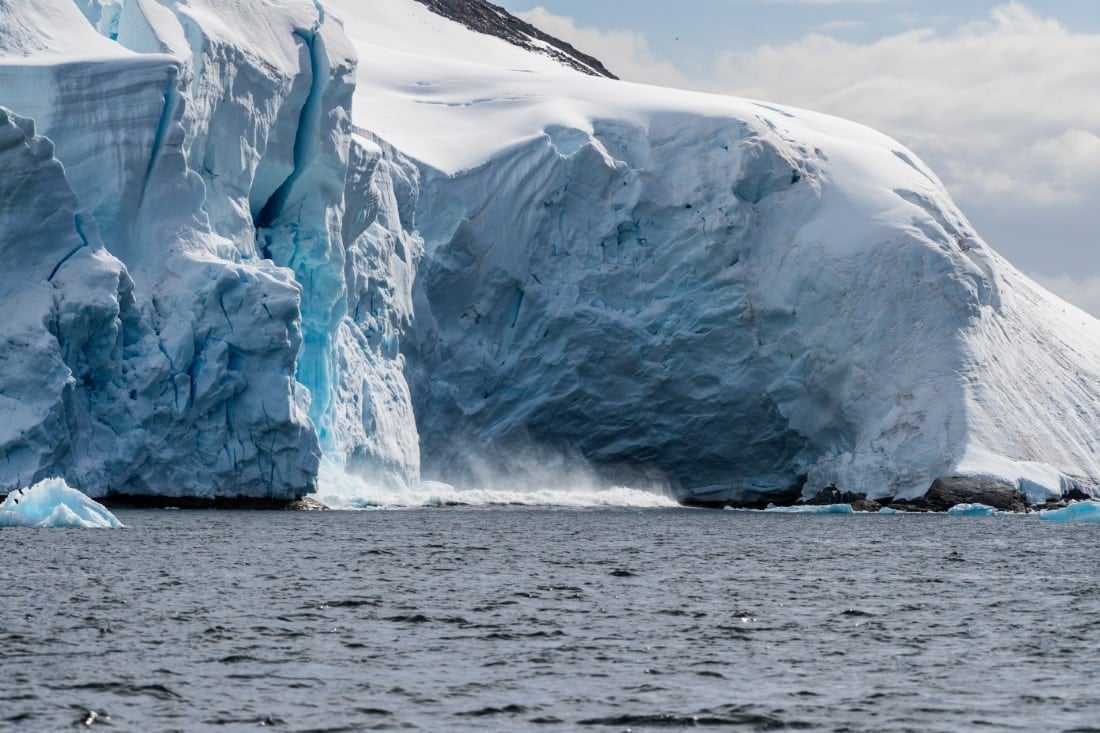
The Mar of Barents recorded temperature increases of up to 2 degrees Essa change accelerated ice loss, doubling the rate compared to bear habitats in other locations.
Despite this, field data shows that adult males and females, including those with calves, have increased their average body condition. Medições repeated over the years confirm a positive trend after the initial decline, suggesting effective compensatory mechanisms.
Additional research indicates that the northward shift of ice habitats has not drastically affected the local population, estimated at around 2,650 individuals. Numerical stability reinforces the idea that local adaptations mitigate immediate climate effects.
Details of the methodology used
The team collected 1,188 body measurements from 770 adult bears, correlating them with days of low ice cover. Data were obtained during annual expeditions in the spring, when animals are more accessible for non-invasive monitoring.
Statistical analyzes revealed that even with more ice-free days, the bears did not show a prolonged decline in body mass. Modelos initial forecasters expected worsening, but actual results point to greater resilience than predicted.
The study used standardized body condition indices, adjusted for sex and reproductive status. Fêmeas with puppies, for example, maintained adequate levels of fat for lactation, essential for the survival of the offspring.
Comparisons with populations from Chukchi Sea, where similar conditions were observed, strengthen conclusions about regional adaptations. Esses parallels help understand variations in the impact of climate on Arctic species.
Local factors that favor
Svalbard’s unique geography, with accessible fjords and coastlines, facilitates foraging on land during ice-free periods. The influence of Corrente from Golfo warms local waters, altering ecosystems, but also brings prey such as ringed seals to coastal areas.
Continuous monitoring since the 1990s shows that bears exploit seasonal opportunities such as bird nests in the summer. Essa diversification reduces exclusive dependence on ice for hunting, allowing energy to be accumulated efficiently.
Outlook for Arctic populations
Although the bears in Svalbard demonstrate the ability to adapt, the study authors warn that this may be temporary. If ice loss accelerates, hunting distances could increase, increasing energy costs and potentially reversing observed gains. Outras regions of Ártico are already facing population declines, with a reduction in the number of offspring and an increase in mortality due to starvation. Esses contrasts highlight the complexity of climate effects, where local factors such as availability of alternative prey influence species responses. The research reinforces the need for ongoing monitoring to predict future changes and inform conservation strategies.
Continuous monitoring required
Annual Instituto Polar Norueguês expeditions collect vital data on bear health and behavior. Essas information is crucial for assessing long-term impacts of global warming on Arctic biodiversity.
Integration of technologies like GPS tracking collars provides insights into seasonal movements. Data shows that some bears maintain small home ranges, reducing energy needs and favoring survival.
Comparisons with other regions
In contrast to Svalbard, bears in Baía of Hudson face longer ice-free seasons, resulting in significant weight loss. Estudos there indicate a decline of up to 30% in body condition in two decades, with impacts on reproduction.
In Baía of Baffin, similar observations show reduced reproductive success, with fewer offspring surviving their first year. Esses patterns reinforce that adaptations in Svalbard are exceptional, linked to unique environmental conditions.
The Mar population of Chukchi, in Alasca, shows similar stability, suggesting that access to diverse prey is key to resilience. Pesquisas comparatives help map regional vulnerabilities.
Conservation strategies adopted
Protective measures in Svalbard include restrictions on tourism to minimize disturbance to bears. Áreas of denning are monitored to avoid interference during winter hibernation.
International programs collaborate to track climate change and its effects on wildlife. Dados ice cover satellite integrates analysis to predict future scenarios.
Educational efforts aim to raise awareness of threats to Ártico, promoting global action against warming. Parcerias between governments and NGOs strengthen preservation initiatives.
Population management protocols ensure sustainability, with limited quotas for traditional hunting in indigenous communities. Essas approaches balance conservation with local needs.
Climate factors at play
Accelerated warming in Mar of Barents alters ocean dynamics, affecting currents and temperatures. Esses changes influence prey distribution, creating unexpected opportunities for predators like bears.
Climate models predict continued ice loss, with potential cumulative impacts. Monitorar these trends is essential to anticipate ecological turning points.
Contributions of scientific research
The study led by Jon Aars of Instituto Polar Norueguês integrates decades of field data for a comprehensive view. Colaborações international studies enrich analyses, incorporating multidisciplinary perspectives.
Publications in journals such as Scientific Reports disseminate findings, influencing environmental policies. Esses efforts highlight the role of science in understanding wildlife responses to climate.
Results challenge simplistic narratives about climate impacts, emphasizing ecological complexity. Integrated Abordagens combine biology, climatology and ecology for more accurate insights.
Unique conditions of the archipelago
The topography of Svalbard, with mountains and glaciers, offers refuges for terrestrial prey. Essa habitat diversity supports bear adaptations, differing from more uniform areas in Ártico.
Oceanic influences bring nutrients that support robust food chains. Esses local elements explain why the population resists climate pressures better.



