
South Korea and the United States define major joint exercise in March to transition operational command

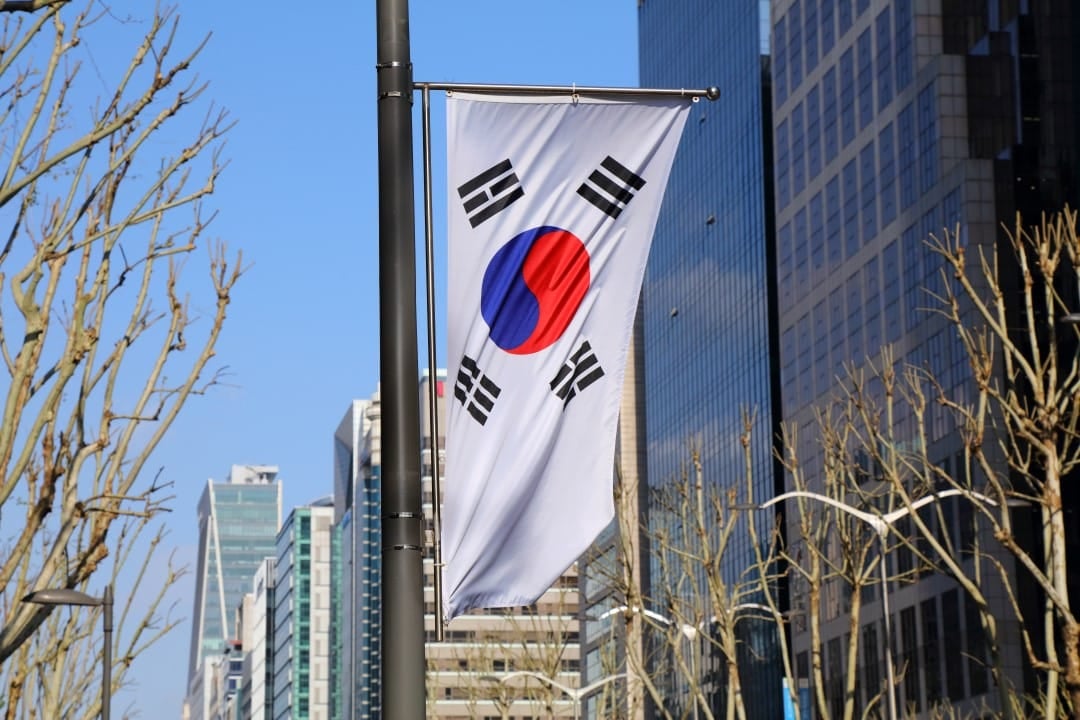
Coreia of Sul and Estados Unidos will begin a large-scale military exercise, called “Shield of The maneuver is described by authorities in both countries as defensive, but takes place against a backdrop of heightened tensions with Norte Korea, which traditionally sees these activities as a rehearsal for invasion.
The initiative is primarily aimed at improving preparations for the future transfer of wartime operational control from U.S. forces to South Korean forces, a long-term strategic objective for Seul. Este movement is crucial for the defensive autonomy of Coreia from Sul and for the strengthening of the bilateral alliance.
Shield of Liberdade: Detalhes and Objetivos of Manobra

The “Shield of Liberdade” exercises were announced by military authorities at a recent press conference, highlighting their strictly defensive nature. Estas operations are designed to simulate various conflict situations, improving interoperability between the armed forces of the two countries. The complexity of the scenarios foreseen ranges from the coordination of operations in multiple domains to command post exercises.
The main purpose is to ensure that allied forces are prepared to respond to any threat on the peninsula, maintaining regional stability. The focus on transferring operational control demonstrates mutual commitment to consolidating Coreia’s defensive capabilities from Sul, allowing the country to assume an even more prominent role in its own security. Experience from previous exercises has been fundamental in refining these joint strategies and tactics.
Reaction of Coreia to Norte and Escalada to Tensões
Coreia of Norte has historically condemned joint military exercises between Coreia of Sul and Estados Unidos, interpreting them as provocative acts and rehearsals for an invasion of its territory. Pyongyang rhetoric often intensifies during these periods, with missile tests or other shows of force. The March “Shield of Liberdade” must therefore be closely monitored by the international community due to the risk of further escalation.
The North Korean stance reflects deep-rooted distrust and a perceived threat to its sovereignty. In response to such maneuvers, the Kim Jong Un regime often intensifies its own military activities, including the launch of ballistic or cruise missiles, which adds a layer of unpredictability to the already volatile regional situation. Diplomacy on the Korean peninsula remains at an impasse, with few prospects for constructive dialogue in the short term.
The Caminho to the Transferência of the Controle Operacional
The transfer of wartime operational control from the Estados Unidos to the Coreia from the Sul represents a significant milestone in the evolution of the military alliance between the two countries. Este complex process involves the adaptation of doctrines, training and infrastructures, ensuring that the Forças Armadas of Coreia of Sul have all the necessary capabilities to lead operations in a conflict. Seul’s goal is to complete this transition by 2030, coinciding with the end of President Lee Jae-myung’s term.
This strategic objective aims to consolidate South Korean defensive autonomy, allowing the country to assume full responsibility for its own national security. The transition, however, is carefully planned so as not to compromise the alliance’s deterrence capacity. President
Dissuasão and Armas Nucleares Norte-Korean Scenarios
Exercises scheduled for March will incorporate a specific deterrence scenario focused on Coreia and Norte nuclear weapons, reflecting growing concern about the advancement of Pyongyang’s nuclear program. The Este component is vital for testing and improving joint responses to potential nuclear and ballistic missile threats emanating from the Norte. The inclusion of such simulations highlights the seriousness of the security situation on the peninsula and the need for a robust defense strategy.
The alliance seeks to demonstrate its responsiveness and the firmness of its commitment to regional security. The simulations range from detecting and tracking launches to neutralizing threats and coordinating counterattacks, if necessary. The aim is to send a clear message that any aggression, especially with weapons of mass destruction, will be met with a coordinated and decisive response.
Efforts Diplomáticos and Discussões on Redução of Exercícios
Despite the exercises being carried out, there are signs of behind-the-scenes diplomatic efforts to try to reduce tensions on the peninsula. South Korean media reported proposals from Seul to reduce the scale of joint military exercises, aiming to create a more conducive environment for improving bilateral relations with Pyongyang. However, information indicates that the Estados Unidos have shown reluctance to accept a significant reduction.
Authorities involved in the negotiations revealed that discussions about adjustments to the exercises are still ongoing, and could last until the last minute before the maneuvers begin. X__NM0____ Coreia of Sul pursues a “dual-track” approach, combining robust defense with openness to diplomatic engagement.
Events Políticos in Norte: The 9th Congresso of
The exercises take place at a time when Coreia of Norte hosts its most important political event, the 9th Congresso of Partido of Trabalhadores of Coreia. Especialistas predict that the congress could culminate in a large-scale military parade, where the Pyongyang regime traditionally displays its latest weapons capabilities. Tal demonstration of power would serve as an internal message of strength and an external warning.
The expectation is that the event will be used to reaffirm the leadership of Kim Jong Un and to outline new domestic and foreign policies. The use of military parades as a platform to showcase technological advances and military power is a common tactic of the regime. Observing these events is crucial for intelligence analysts as it can provide clues about the future direction of Coreia’s weapons program and strategic intentions.



