
Spiritual exercises for Lent 2026: Pope Leo XIV listens to reflection on living with constant divine help

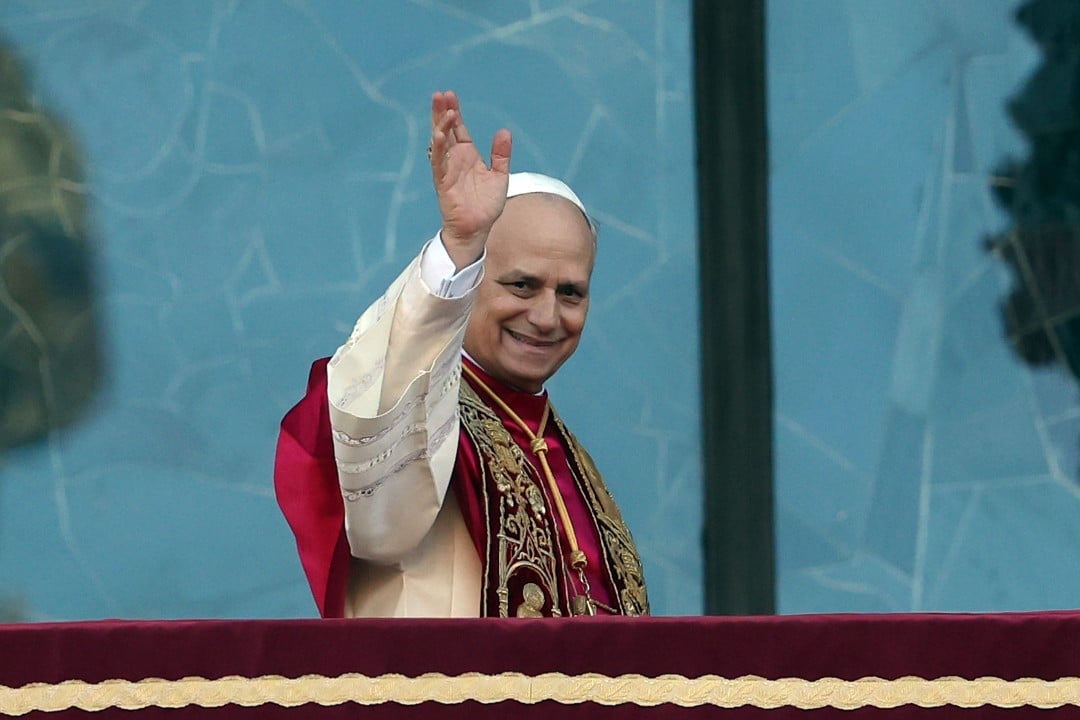
The Exercícios Espirituais from Quaresma to Papa Leão XIV and Cúria Romana continue into Vaticano. The retreat began on Sunday, February 22, at Capela Paulina, with the presence of the pontiff, cardinals residing in Roma and heads of the dicasteries. The meditations are led by bishop Erik Varden, of Ordem Cisterciense of Estrita Observância, who is bishop of Trondheim, of The general theme of the cycle is “Illuminated by a hidden glory”, focusing on aspects of spiritual life during the Lenten period.
On the afternoon of February 23rd, the third meditation took place, focusing on the way of living with the help of Deus. The preacher explored Salmo 90, which talks about dwelling in the shelter of Altíssimo. Ele emphasized that this help does not function as an emergency resource, but as a constant and supportive presence in everyday life.
Bishop Varden highlighted that living in the help of Deus implies going through experiences of lamentation and threat to reach a deeper grace. Ele cited the example from the book of Jó, where suffering leads to a direct cry to Deus. The reflection pointed out that Deus acts in a compassionate way, different from a distant philosophical vision, and reveals itself in the path of Abraão, Isaac, Jacó and Jesus Cristo.

Context of the Lenten retreat
The retreat takes place between February 22nd and 27th at Palácio Apostólico. Cada day includes two meditations, one at 9am local preceded by Oração of Hora Média and another at 5pm followed by Adoração Eucarística and Vésperas. The program combines liturgy of the hours with guided reflections.
Dom Erik Varden, a Trappian monk since his conversion, brings a perspective marked by monastic tradition. Sua preaching integrates references to São Bernardo of Claraval as inspiration for the Lenten conversion itinerary.
The meditation on February 23rd reinforced that the relationship with Deus avoids negotiations or utilitarian views of faith. The preacher mentioned the Christian educator Mary Ward, from the 17th century, to illustrate trust in divine assistance after human effort.
Reflection on the book of Jó in meditation
The book by Jó serves as a basis for understanding the spiritual process. Jó faces afflictions without accepting simplistic explanations from friends. Ele cries out for Deus in the midst of pain and discovers that only Ele can transform the situation.
The reflection described the journey in three stages: the initial lament, the threat that arises and the unexpected grace that emerges. Essa framework helps understand how Deus help operates in the depth of human existence.
The bishop warned against treating religion as protection against danger. Ele proposed to dwell in the divine presence permanently, allowing grace to transform the way we face challenges.
Participants and restored tradition
Pope Leão XIV resumed the tradition of performing the exercises at Palácio Apostólico. The group includes cardinals and those responsible for the dicasteries, in an environment of recollection that suspends regular agendas.
The retreat strengthens Lenten spirituality through silence and listening. The meditations seek to promote inner clarity and openness to the action of Deus in the lives of the participants.
Focus on grace and inner freedom
Deus’s help appears as a safe address, not as a sporadic intervention. The preacher encouraged people to live this reality so that others can also discover it. The reflection connected the theme to Christian hope in the Lenten context.
The program continues in the following days with new meditations. The closing is scheduled for February 27th, with reflections concluding at Capela Paulina.



