
Xiaomi devices stand out with Amoled screens and extended autonomy for different profiles

The wearable technology sector in the Brasil presents a significant expansion in 2026, driven by the diversification of the Chinese giant’s portfolio in the national market. Consumidores now find a range of options ranging from essential activity trackers to smart watches with a premium finish and advanced connectivity features. The brand’s strategy focuses on meeting different budget demands, with devices that start at R$229 and reach values close to R$900 for the most complete versions.
The consolidation of these products occurs through the offering of robust technical features, such as high-resolution screens and long-lasting batteries, which have become competitive differentiators. The integration with mobile ecosystems and the ease of synchronizing health data attract users who seek constant monitoring without giving up practicality. The current scenario reflects a growing search for devices that balance cost and modern features.
Technical specifications and energy autonomy
Visibility in outdoor environments is guaranteed by the adoption of panels with AMOLED or high-brightness LCD technology in most devices sold this year. Image quality is combined with efficient energy management, allowing some models to remain away from sockets for periods ranging between 18 and 24 days, depending on the intensity of use and the functions activated. Essa extended autonomy solves one of the main complaints of wearable users, providing greater freedom in everyday life.
Built-in health features include continuous heart rate monitoring and blood oxygen measurement, essential functions for tracking well-being. Além In addition, the devices offer detailed sleep tracking and support for more than 100 sports modes, covering everything from light walking to high-performance training. Water resistance of 5 ATM is a standard, enabling use during swimming or on rainy days without risk to the equipment.
Entry options and cost-benefit
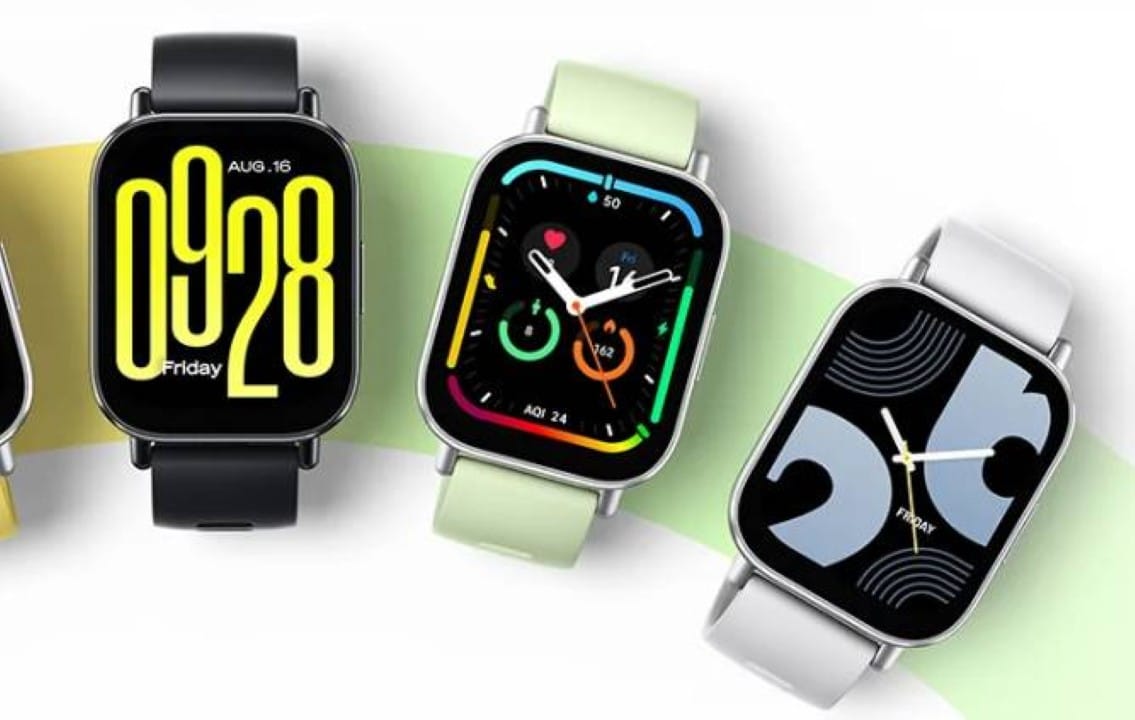
For those looking to enter the world of smartwatches without large investments, the Redmi Watch 5 Active appears as a viable and competent solution. Comercializado for prices starting at R$ 229, the model offers a large 2-inch LCD screen and the convenience of making calls via Bluetooth with noise reduction. Sua battery designed to last up to 18 days perfectly meets the routine of users who prioritize basic functionality and fast communication.
Another economical alternative is the Xiaomi Smart Band 9 Active, which maintains the compact design characteristic of the brand’s smart bracelets. With an average price of R$250, the device offers a 1.47-inch screen with a fluid refresh rate of 60Hz. The focus of this model is on ergonomics and lightness, making it ideal for passive monitoring of health and physical activities without causing discomfort to the wrist during prolonged use.
Advanced models for demanding users
The intermediate and premium segment is led by devices that incorporate noble materials and independent location technologies. The Redmi Watch 5, with a starting price of R$699, stands out for its 2.07-inch AMOLED screen and integrated GPS, eliminating the need to use a cell phone during runs. Já o Xiaomi Watch S3 is positioned at the top of the hierarchy, offering steel construction and eSIM support in specific variants, with prices that can reach R$899.
The user experience on these superior models is improved by the HyperOS operating system, which guarantees fluid navigation and stable connections. Personalization is also a strong point, especially on the Watch S3, which allows you to change bezels and bracelets to adapt the watch to different styles and occasions. The investment in these devices is justified by the durability of the materials and the superior precision of the biometric and geolocation sensors.



