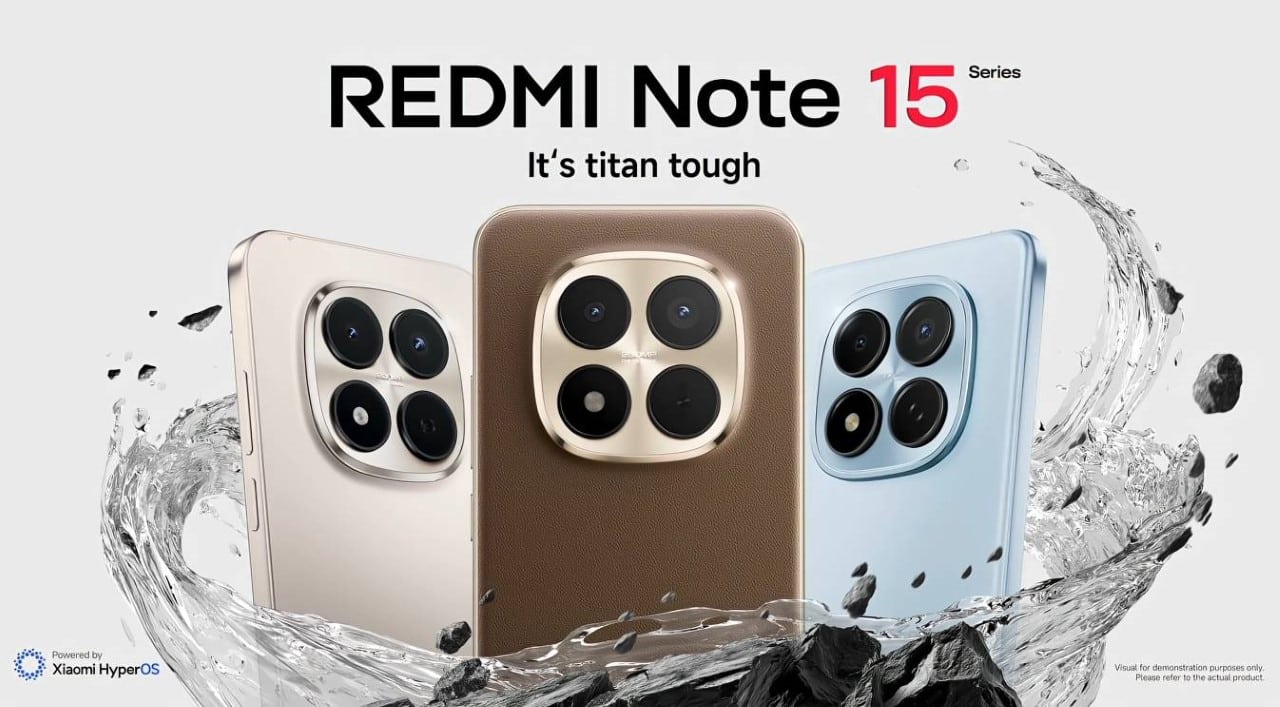
Xiaomi officially announced the arrival of its newest member for the premium intermediary segment, bringing to the market a device designed to combine high durability and extended energy autonomy. The Redmi Note 15 The model seeks to serve consumers who need resistant equipment for outdoor activities or hostile work environments.
With a profile of just 8.2 millimeters thick, the smartphone defies the traditional logic of robust devices, which tend to be thick and heavy. The weight of 207 grams was distributed in such a way as to maintain comfort in daily handling, even with reinforced internal components and a high-capacity battery system. The manufacturer is betting on the combination of refined design with cutting-edge technical specifications to lead the sector in 2026.
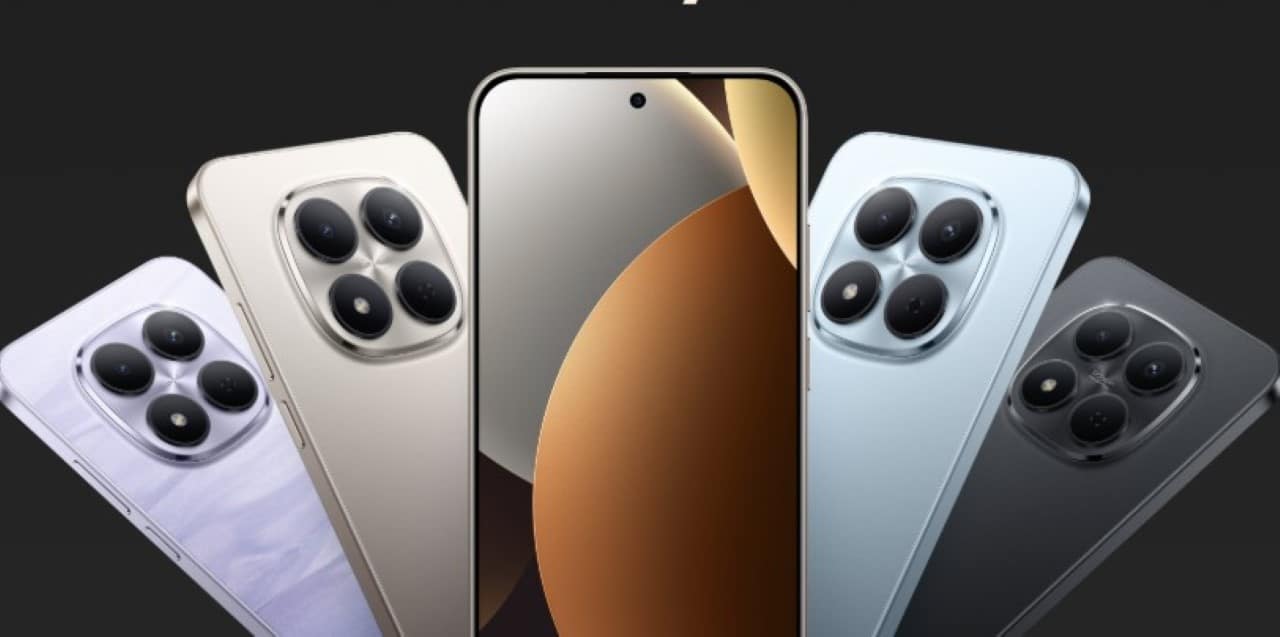
Among the main technical highlights announced for the new device, the company emphasized three fundamental pillars that differentiate the model from direct competition:
- Implementation of a battery with silicon-carbon technology for greater energy density in a smaller physical space.
- Comprehensive protection system with multiple certifications against water, dust and high pressure jets.
- Processing suite optimized for artificial intelligence and complex multitasking.
The brand’s strategy involves offering features that were previously exclusive to much more expensive or niche lines, democratizing access to military resistance technologies and high-resolution photography. The launch positions the device as a versatile tool, capable of operating both as a corporate productivity device and as a mobile entertainment center.
Shielding and resistance engineering certifications
The major competitive advantage of this launch lies in its extensive list of durability certifications, which surpass conventional market standards. The device is rated IP66, IP68, IP69 and IP69K, ensuring comprehensive protection against the ingress of solid and liquid waste. The IP69K certification, in particular, ensures that the device withstands high-pressure water jets and high temperatures, a crucial feature for industrial environments or extreme climates.
To achieve this level of sealing, internal engineering used 17 strategically sealed components, creating physical barriers that prevent corrosion and damage to electronic circuits. Testes laboratories have demonstrated that the structure maintains its integrity even after falls from up to 2.5 meters in height, thanks to the use of a reinforced fiberglass back panel that dissipates impact energy.
In addition to physical resistance, the hardware was designed to operate over a wide temperature range, maintaining full functionality between -20°C and 55°C. Essa thermal versatility allows the smartphone to be used in severe weather conditions, from intense cold to excessive heat, without experiencing performance failures or sudden shutdowns due to thermal safety.
Innovation in autonomy and battery technology
Power autonomy received special attention with the introduction of a 6500mAh battery, developed based on silicon-carbon anode technology. Este advancement allows storing a greater amount of energy without increasing the physical volume of the cell, enabling the device’s thin design. The nominal capacity promises to transform the user experience, reducing dependence on sockets and portable chargers throughout the day.
Estimates based on actual use indicate that the device can offer more than seven hours of screen time during intense activities and up to 25 hours of continuous video playback. Para the corporate user or for those who travel frequently, these numbers represent the security of having the device available during long working hours or intercontinental travel without the need for intermediate recharges.
The recharging system also follows the evolution of capacity, integrating 100W HyperCharge technology. The energy management system allows the battery to be fully charged in less than 40 minutes, optimizing the user’s time. Charging efficiency is monitored by dedicated chips that control temperature and voltage, ensuring the longevity of the power cell even with frequent fast charge cycles.
Immersive visuals and screen specifications
The visual interface of the Redmi Note 15 Pro+ is delivered through a 6.83-inch AMOLED panel, which offers 1.5K resolution for sharp, detailed images. The 120Hz refresh rate ensures fluid system animations and games, providing an immediate tactile response. The display is protected by Corning Gorilla Glass Victus 2 glass, recognized for its high resistance to scratches and direct impacts on the screen.
The maximum brightness of the panel reaches 3200 nits, a specification that guarantees perfect readability even under direct sunlight. The construction of the display includes a smooth curvature on the four edges, which not only improves the aesthetics of the product, giving it an air of sophistication, but also improves ergonomics, making it easier to slide your finger from the sides.
Processing power and software
At the heart of the device operates the Snapdragon 7s Gen 4 chipset, manufactured in a 4-nanometer lithography process. Este processor is designed to offer an ideal balance between raw performance and energy efficiency, being able to run graphically demanding games and editing applications without stuttering. The chip’s architecture includes cores dedicated to artificial intelligence processing, accelerating tasks such as image recognition and real-time translation.
Thermal management is carried out by the IceLoop system, a cooling solution that keeps the internal temperature stable even during prolonged sessions of intense use. The device leaves the factory running Android 15 under the customized HyperOS 2 interface, which brings exclusive interconnectivity features with other brand devices and system optimizations to ensure long-term fluidity.
Photographic system capabilities
The rear optical array is led by a 200MP main sensor, equipped with optical image stabilization (OIS) to mitigate shake and ensure sharp photos. The large sensor size, 1/1.4 inch, allows greater light input, resulting in captures with high dynamic range and low noise, even in environments with challenging lighting.
The high resolution of the main sensor enables digital zoom capabilities without significant loss of quality, allowing image cuts that maintain the level of detail. The camera software uses advanced computer processing algorithms to enhance colors and contrast, delivering results ready for sharing on social networks or professional use.
