
Apple’s new strategy aims to launch affordable MacBook and update professional line with OLED displays


The Cupertino-based technology giant is aggressively restructuring its portable computer portfolio to cover opposite ends of the consumer market this year. The strategic move aims to directly combat the dominance of devices such as Chromebooks and Windows laptops in the educational and corporate sector, offering alternatives that combine the brand’s ecosystem with more competitive prices. Analistas market share indicates that this expansion not only democratizes access to the macOS operating system, but also solidifies the user base in institutional environments.
The planning involves the introduction of four different models, designed to suit students who need basic tools to professionals who demand maximum graphic performance. Essa diversification signals a clear response to the demands for more versatile and economically viable equipment, without sacrificing the premium identity that consolidated the manufacturer on the global stage. These devices are expected to hit shelves in the first quarter, marking the beginning of a significant hardware renewal cycle.
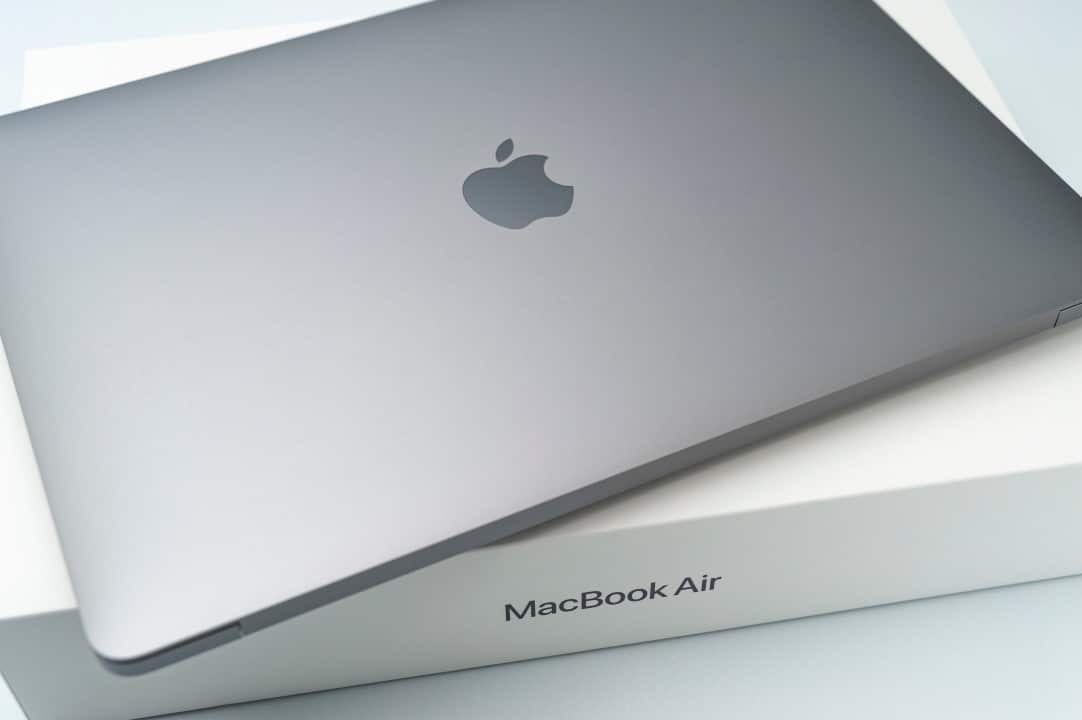
For the entry-level segment, the company developed an architecture inspired by the energy efficiency and compact design of the iPhone 16 Pro series and high-performance tablets. The new device should feature a 13-inch screen, keeping portability as the main focus, but with strategic concessions to reduce production costs. Engineering chose to use the conventional USB-C standard instead of the Thunderbolt technology, a decision that expands compatibility with common peripherals and reduces the final price for the consumer.
The launch price of this affordable model is estimated to range between $699 and $899, positioning it as a fierce competitor for mid-range notebooks. Simplified construction does not, however, mean low quality; The focus remains on durability and fluid integration with cloud services and productivity applications, essential for school and business audiences.
| モデル | メインチップ | 画面 | 推定開始価格 (相当) | 主な対象者 |
|---|---|---|---|---|
| 低価格MacBook | A18プロ | 13インチ液晶 | 699-899 | 学生と基本的な使い方 |
| MacBook Air | M5 | 13インチまたは15インチRetina | 999 | プレミアムモバイルユーザー |
| 標準MacBook Pro | M5プロ/マックス | 14インチまたは16インチのミニLED | 1999-3499 | 中級者向け |
| MacBook Pro OLED | M6(予定) | 14インチまたは16インチのタッチOLED | 非開示 | 一流のクリエイター |
Technical evolution with M5 series processors
On the opposite spectrum, aimed at high performance, the big news lies in the implementation of the M5 series processors. Fabricados Featuring TSMC’s 3-nanometer lithography, these chips represent a generational leap focused on thermal efficiency and raw computing power. The renewed architecture promises to maintain system fluidity even under intense workloads, ensuring that video professionals, developers and designers do not face bottlenecks.
Preliminary benchmark tests point to substantial gains compared to the previous generation. The data indicates:
– An increase in processing speed (CPU) of between 12% and 15% compared to the M4 chip.
– Melhorias drastic changes in graphics capacity, with the GPU showing a performance jump of up to 36%.
– Otimização for artificial intelligence and high-speed rendering tasks.
These numbers translate into reduced export times and superior multitasking capability, justifying the investment for users who depend on the machine to generate revenue. Improved energy efficiency also suggests extended battery life, allowing the device to operate unplugged for longer periods, even running heavy software.
Visual revolution and interactivity in the Pro models
The professional line, made up of 14 and 16 inch models, will receive one of the most anticipated updates by brand enthusiasts: the introduction of OLED panels. Essa display technology delivers infinite contrast, absolute blacks and superior color accuracy, essential for image editors and colorists. The move from traditional LCD or Mini-LED to OLED marks a new visual standard for the workstation laptop category.
In addition to image quality, reports indicate the inclusion of touch support on the screen, a feature that brings the macOS experience closer to the fluidity found in iPadOS. Essa integration suggests an adaptation to the operating system interface, with icons and menus possibly redesigned to better respond to tactile interaction, offering a new layer of versatility for navigation and media control.
The price positioning for these cutting-edge machines reflects the embedded technology. The base model should start at $1,999, while the more robust configurations, equipped with maximum memory and storage, can surpass the $3,499 barrier. Esse high cost targets the product specifically at creative studios, agencies and independent professionals who require a no-compromise mobile workstation.



