
Australian GP becomes extreme test for new F1 engines in 2026 and affects Colapinto

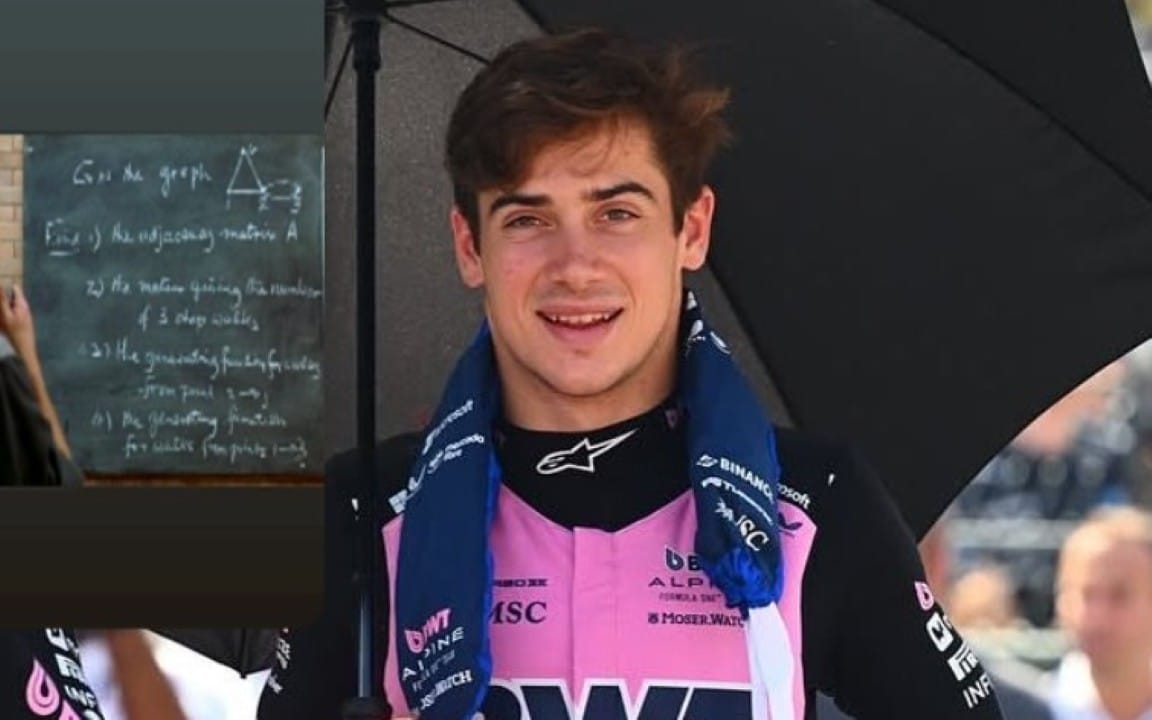
The 2026 Fórmula 1 season begins on March 8 with the Grande Prêmio of the Austrália, in Melbourne, where the Albert Park circuit stands out as one of the biggest obstacles for drivers due to the new hybrid engine regulations. Franco Colapinto, Argentine driver, and the other competitors will face difficulties in regenerating electrical energy, essential for the performance of the power units. Essa technical change, implemented by the FIA, prioritizes sustainability and drastically changes the dynamics of races on tracks with few intense braking zones.
Pre-season testing on the Bahrein revealed that energy recovery through hard braking is limited on the Albert Park, with only three main corners allowing significant top-ups. Pilotos as well as Max Verstappen and Oliver Bearman have already expressed concerns about battery management on long straights, where a lack of power can reduce top speed. Essa situation affects not only racing strategy but also safety, requiring precise adjustments to engine maps.
Other circuits, such as those on Arábia Saudita, Japão, Canadá, Bélgica, Itália, Azerbaijão and The FIA monitors these challenges and considers upgrades to aerodynamic packages to mitigate the issue before the start of the season. Equipes as well as Red Bull and Ferrari test hybrid solutions to optimize the use of electrical energy, which now represents a larger portion of total power.
Early challenges in pre-season testing
Tests carried out on the Bahrein highlighted limitations in energy recovery, especially on street tracks like Albert Park. Pilotos reported that electrical energy drops quickly on the straights, forcing power reductions to avoid failures in the hybrid system.
Teams adjusted setups to maximize regeneration in the few available zones, but results varied depending on riding style. Colapinto, in its full debut, needs to adapt its approach to low energy efficiency circuits.

Impact of new hybrid engines on performance
Removing the MGU-H and increasing the power of the MGU-K to 350kW changes the balance of the cars, making battery management crucial on low-braking tracks. Isso requires engineers to recalibrate systems to prioritize efficiency over pure speed.
Experienced drivers like Charles Leclerc have noted that this change represents one of the biggest technical transformations in recent F1 history. The teams invest in advanced simulations to predict scenarios in Albert Park and similar circuits.
Team strategies to overcome energy limitations
Ferrari and Mercedes explore aerodynamic upgrades to reduce drag and preserve energy on the long straights of Melbourne. Esses adjustments aim to compensate for the scarcity of refills, allowing more aggressive overtaking.
Red Bull, in turn, focuses on personalized engine maps that optimize the use of electrical energy in specific sectors. Pilotos and Verstappen test configurations that balance performance and conservation during laps.
Colapinto team Alpine integrates telemetry data to refine hybrid setup ahead of season opener. Essa preparation includes virtual sessions that replicate the conditions of Albert Park.
Outlook for additional affected circuits
The Arábia Saudita, with its endless straights, presents similar challenges to the Austrália in energy regeneration. Pilotos will need to manage batteries precisely to remain competitive in high-speed zones.
In Japão, the Suzuka circuit combines fast curves with moderate braking sectors, which can partially alleviate the problem. Ainda therefore, teams anticipate adjustments to update packages to optimize hybrid performance.
Canada and Bélgica, known as climate variations, add complexity to energy management. Chuvas can alter traction and affect regeneration efficiency during races.
Italy, Azerbaijão and Las Vegas share urban layouts with few opportunities for sudden braking. The FIA is evaluating changes to the regulations to ensure balance across the calendar.
Technical analysis of power units
F1’s new hybrid engines for 2026 emphasize sustainability by increasing reliance on electrical energy, which now makes up up to 50% of total power, with a recovery limit of seven megajoules per lap on circuits such as Albert Park. Essa configuration requires cars to operate in conservation modes during long straights, where top speed can drop by up to 10 km/h without adequate recharging. Equipes like McLaren and Aston Martin invest in more efficient batteries to mitigate losses, while the FIA monitors test data to refine technical parameters. Pilotos rookies, including Colapinto, participate in specific training to adapt their riding techniques, focusing on optimized braking points that maximize regeneration without compromising lap time. Além Additionally, upgrades planned for mid-season aim to integrate advanced sensors that automatically adjust power flow, reducing the burden on drivers during demanding races. Essa technical evolution not only raises the level of strategy, but also promotes engineering innovations that can influence future generations of hybrid vehicles off the track. Development costs, estimated at hundreds of millions, drive partnerships with manufacturers such as Audi and Cadillac, expanding the grid to 11 teams and increasing the category’s global competitiveness.
Adaptation of pilots to the new regulations
Colapinto, representing Argentina on the grid, trains intensely to deal with the energy shortage in Melbourne, adjusting his style to preserve battery power on smooth curves. Veteranos and Piastri provide guidance based on previous experience with hybrid systems.
Regulatory evolution and FIA responses
The FIA is considering adjustments to energy recovery limits following feedback from testing at Bahrein, where drivers reported difficulties on low-braking tracks. Essas potential changes aim to balance the calendar, ensuring that circuits like Albert Park do not unbalance the races.
Teams support revisions that maintain the sustainable essence of the regulations, without compromising the excitement of the disputes. Discussões in technical meetings prioritize solutions that benefit all competitors.
The implementation of a “Plan B” includes aerodynamic upgrade packages to reduce energy consumption on straights. Essa the FIA’s proactive approach demonstrates commitment to the continuous adaptation of regulations.
Preparations for the opening of the season
Melbourne receives circuit infrastructure improvements to accommodate the new cars, including expanded DRS zones that make overtaking easier despite hybrid limitations. Organizadores coordinate with teams for local pre-race testing.
Pilots like Bearman emphasize the importance of simulations to anticipate critical energy scenarios. Essa collective preparation raises the level of readiness for Grande Prêmio.
Sustainability and innovations in F1
The 2026 regulations promote 100% sustainable fuels integrated into hybrid engines to reduce emissions. Essa transition attracts new manufacturers and reinforces F1’s role in environmental innovation.
Teams invest in technologies that optimize regeneration, such as improved regenerative braking systems. Essas advances benefit not only racing, but also the global automotive industry.
Pilots adapt training to include energy management by incorporating sensor data into simulator sessions. Essa technical evolution increases the strategic complexity of the category.
The expansion of the grid with entries like Audi reinforces the attractiveness of F1, with a focus on hybrid efficiency that inspires developments off the track.
Expectations for the full grid
With 22 drivers on the grid, including newcomers and veterans, the season promises intense competition on challenging circuits. Colapinto looks for starting points in Melbourne, taking advantage of lessons from the tests.
Teams like Haas and Williams adjust strategies for low-regeneration circuits, prioritizing conservative setups. Essa diversity elevates the show for fans.
Operational details of affected Grandes Prêmios
In Las Vegas, the night track with long straights requires precise energy management to maintain performance under artificial lights. Organizadores prepare safety protocols adapted to new cars.
Azerbaijan combines urban sectors with tight curves, offering few significant recharges. Pilotos plan strategic pit stops to manually recharge batteries.
Italy, with Monza, tests maximum speed limits without adequate electrical power. Equipes tests active wings to reduce drag and preserve battery power.
Belgium, in Spa, varies with weather conditions that affect traction and regeneration. Previsões weather forecasts integrate race plans to optimize hybrid setups.
Expanded technical overview
The new regulations reduce the cars’ weight by 30kg and shrink dimensions to improve maneuverability, but this amplifies energetic challenges on smooth tracks like Albert Park, where active aerodynamics come into play to manage airflow and reduce battery drain during prolonged acceleration. Total power drops to around 1000 hp, with an emphasis on the balance between internal and electrical combustion, forcing teams to recalibrate suspensions to optimize braking that captures kinetic energy efficiently. Simulações calculations reveal that in Melbourne, energy can be depleted on 70% of the main straights without adjustments, leading to losses of up to two seconds per lap in extreme scenarios. Pilotos incorporate feedback from engineers to map conservation points, while the FIA evaluates collective data to standardize limits that avoid competitive disadvantages. Inovações as high-density batteries, developed through partnerships with external suppliers, promise long-term solutions but require validation in real races. Essa integrated approach not only increases efficiency, but also promotes technological transfers to road vehicles, aligning F1 with global sustainability goals. High initial costs encourage collaborations between teams, sharing insights without compromising competitive secrets, and fans follow developments through detailed broadcasts that explain hybrid mechanics.
Potential adjustments before premiere
The FIA plans meetings with teams to refine regulations based on data from Bahrein, focusing on problematic circuits. Essas discussions aim for balance without altering the sustainable essence.
Pilots contribute detailed reports on energy management, influencing technical decisions. Essa collaboration ensures timely adaptations for the season.




