
Breach of confidentiality Lulinha: Minister of the STF determined access to data before the INSS CPMI investigation

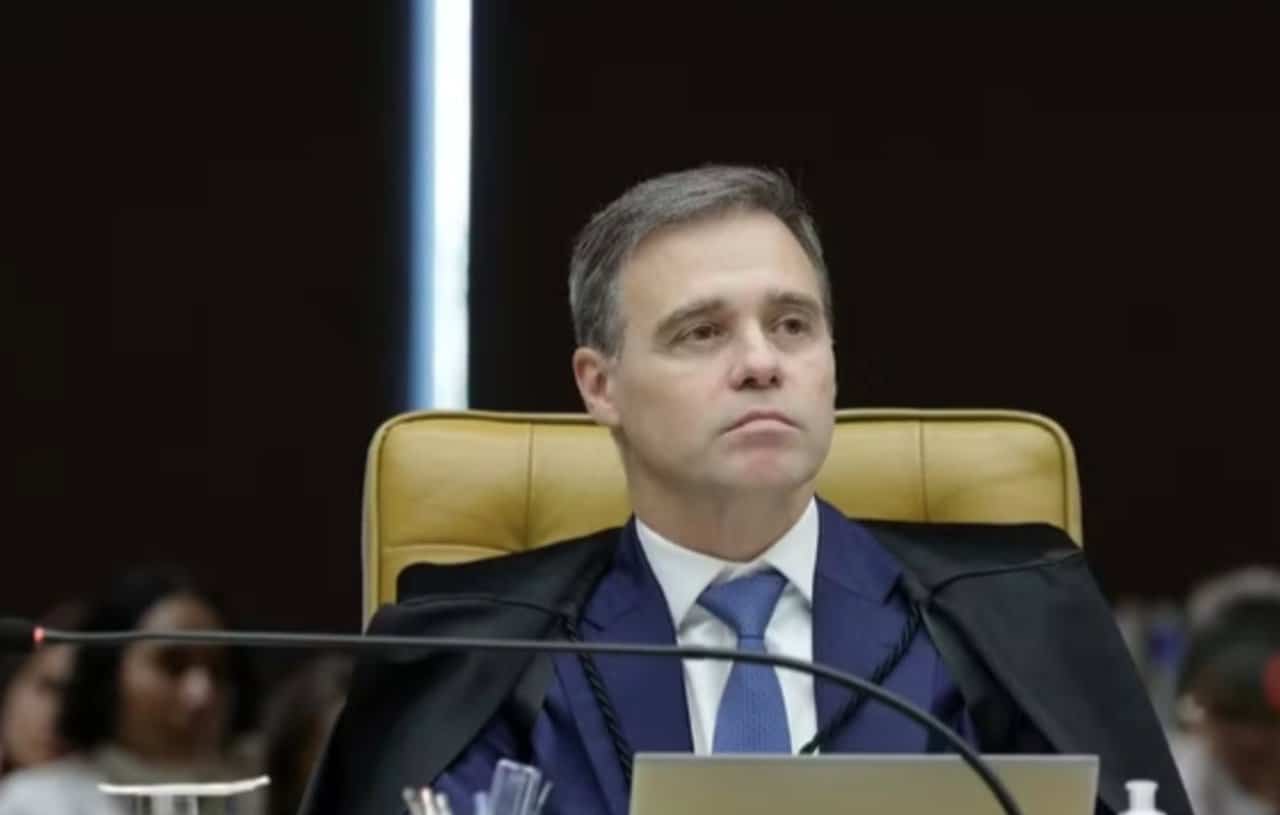
Minister André Mendonça, of Supremo Tribunal Federal (STF), granted authorization to break the banking, tax and telematic secrecy of Esta measure was taken in secrecy, in response to a request from Polícia Federal, and precedes the approval of the same breach of confidentiality by the INSS CPMI, which occurred later in a tumultuous session.
The court decision was formalized in January last year (2025), remaining under judicial secrecy until now. The PF’s action aims to deepen investigations into possible diversion of resources resulting from undue discounts on benefits for retirees and pensioners of Instituto Nacional of Seguro Social (INSS), a scheme that has been the subject of intense investigation.
Polícia Federal’s investigations, as revealed by excerpts from a report, point to mentions of Fábio Luís in the context of irregularities. Preliminary information suggests a possible connection with Antônio Camilo Antunes, known as “Careca do INSS”, identified as the main coordinator of the scheme. The depth of Lulinha’s participation, however, is the focus of the investigation to be clarified with confidential data.
Supremo’s decision and the PF’s request
Minister André Mendonça’s authorization is a fundamental step in highly complex investigations, allowing Polícia Federal to access crucial financial and communications information for tracking money flows and contacts. Banking, tax and telematic secrecy are essential tools for uncovering financial structures and relationship networks that may be behind corruption schemes and embezzlement of public funds.
Polícia Federal substantiated its request to Supremo Tribunal Federal by indicating that the initial investigations into the INSS case revealed indirect references to Fábio Luís. The nature of the request, under confidentiality, reflects the sensitivity of the information and the need to guarantee the integrity of the investigation, avoiding leaks that could compromise the collection of evidence.
Connections with Operação Sem Desconto
The investigations that led to the request for breach of confidentiality are part of the context of Operação Sem Desconto, which has already carried out searches and seizures in several locations, including the home of businesswoman Roberta Luchsinger. Esta operation aims to dismantle the scheme of deviations in social security benefits, which causes significant losses to public coffers and, mainly, to INSS policyholders.
Roberta Luchsinger’s actions are considered central to the “political core” of the criminal organization allegedly led by Antônio Camilo Antunes. The businesswoman is being investigated for her participation in hiding assets and managing accounts intended for money laundering. The complexity of the scheme requires a detailed analysis of all financial transactions and communications between those involved.
The evidence and caution of the investigation
Polícia Federal, in its reports, maintains a cautious stance, highlighting that mentions of Fábio Luís appeared through third parties and that, to date, there are no elements that prove its direct participation in the facts investigated. The PF methodology prioritizes the rigorous verification of statements to avoid hasty conclusions.
The link between Fábio Luís and “Careca do INSS” would be intermediated by businesswoman Roberta Luchsinger. The investigations seek to confirm the hypothesis that Lulinha could have acted as a silent partner of Antônio Camilo Antunes. Tais allegations, although still in the investigation phase, justify the need to deepen the analysis of financial and communication data.
In one of the excerpts of the PF document, it is emphasized that such statements must be “analyzed with caution and subjected to rigorous verification, in order to avoid hasty conclusions.” Polícia Federal seeks to deliver the “truth of the facts to those entitled to criminal prosecution, free from external interference or political narratives, ensuring that no injustice is committed”.
The complexity of the case and the political polarization in the country make the conduct of investigations even more delicate. The search for clarity and proof of facts are crucial to guarantee the credibility of justice and transparency in the fight against corruption. The analysis of broken confidentiality is seen as an indispensable step to consolidate or refute the suspicions raised.
Approval of secrecy in the INSS CPMI
Paralelamente to the STF’s decision, Comissão Parlamentar Mista of Inquérito (CPMI) of the INSS also approved the breach of banking and tax secrecy of The CPMI session was marked by intense debates and moments of confusion among parliamentarians, reflecting the political dimension of the case.
The request approved by the INSS CPMI justifies the breach of Lulinha’s confidentiality as a “technical imperative”. The commission argues that the evidence gathered by Polícia Federal is sufficient to justify the measure, aiming to deepen investigations into the alleged participation in the embezzlement scheme that harms retirees and pensioners.
The breach of confidentiality by a CPMI is a powerful instrument of parliamentary investigation, which seeks to complement the work of control bodies. Access to this information allows parliamentarians to exercise their supervisory role more effectively, contributing to the elucidation of the facts and the accountability of those involved.
INSS connection details Roberta Luchsinger and Careca
The CPMI document details that Roberta Luchsinger is considered a central piece in the “political core” of the criminal organization led by Antônio Carlos Camilo Antunes. Sua company, RL Consultoria, is identified as receiving significant transfers, totaling R$1.5 million, from
Esses transfers were allegedly carried out under the pretext of consultancy services on projects that did not align with the contracting company’s field of activity, characterizing “transactions without real economic support”. The analysis of these financial movements is essential to identify the origin and destination of the diverted resources, as well as the participation of each person involved in the scheme.
The investigation points out that RL Consultoria and Brasília Consultoria were used to launder money and hide assets, common elements in corruption schemes. Investigating these details is vital to uncovering the group’s financial mechanisms and deepening the understanding of the ramifications of organized crime in the social security system.
Travel and the issue of payments
One of the points raised in the investigations to corroborate the link between Fábio Luís and the others investigated is the material evidence related to joint trips. Foram identified airline tickets issued under the same locator for Fábio Luís and Roberta Luchsinger, indicating coordinated and close action between them.
Além Furthermore, documents from Polícia Federal confirm that Fábio Luís and Antônio Camilo Antunes traveled together in first class on flight Latam JJ-8148, departing from Lulinha was in seat 6J, showing physical proximity and possibly interests.
The cost of these first class tickets, which varies between R$14,000 and R$25,000, raises important questions about the origin of the resources used for such expenses. Soma This is followed by the statement that indicates the payment of an “allowance” of R$300,000 by the lobbyist. Essas information requires detailed tracking of the financial flow to confirm the integration of illicit capital and the nature of the relationships between those involved.
The relevance of financial tracking
Tracking financial flow is a critical component in any money laundering and corruption investigation. The detailed analysis of banking, tax and telematic transactions allows investigators to identify the origin of resources, the intermediaries involved, the final beneficiaries and the way in which illicit money was moved and legitimized.
Elucidating these financial movements is essential to build a robust case and prove the participation of those involved in the crimes investigated. The ultimate objective is to ensure that justice is done, holding accountable those who may have benefited from the diversion scheme that harms INSS retirees and pensioners and the credibility of public institutions.



