
Complex Cell processor architecture creates historic barriers to PS3 game emulation


The launch of the PlayStation 3 in 2006 marked an inflection point in the video game industry, driven by the introduction of technology that promised to revolutionize multimedia data processing. The centerpiece of this strategy was the Cell Broadband Engine processor, developed in an ambitious collaboration between Sony, Toshiba and IBM. Although this architecture allowed impressive graphical and physical leaps for the time, it inadvertently created an extremely complex development ecosystem that reverberates to this day in attempts at digital preservation and emulation.
The structure of the Cell processor was radically different from conventional chips used in personal computers and other consoles. The main component operated in conjunction with eight synergistic processing units, technically known as SPEs. Essa configuration required programmers to manually and precisely divide specific tasks between cores, a practice that required in-depth knowledge of the hardware and exhaustive hours of code optimization to avoid performance bottlenecks.
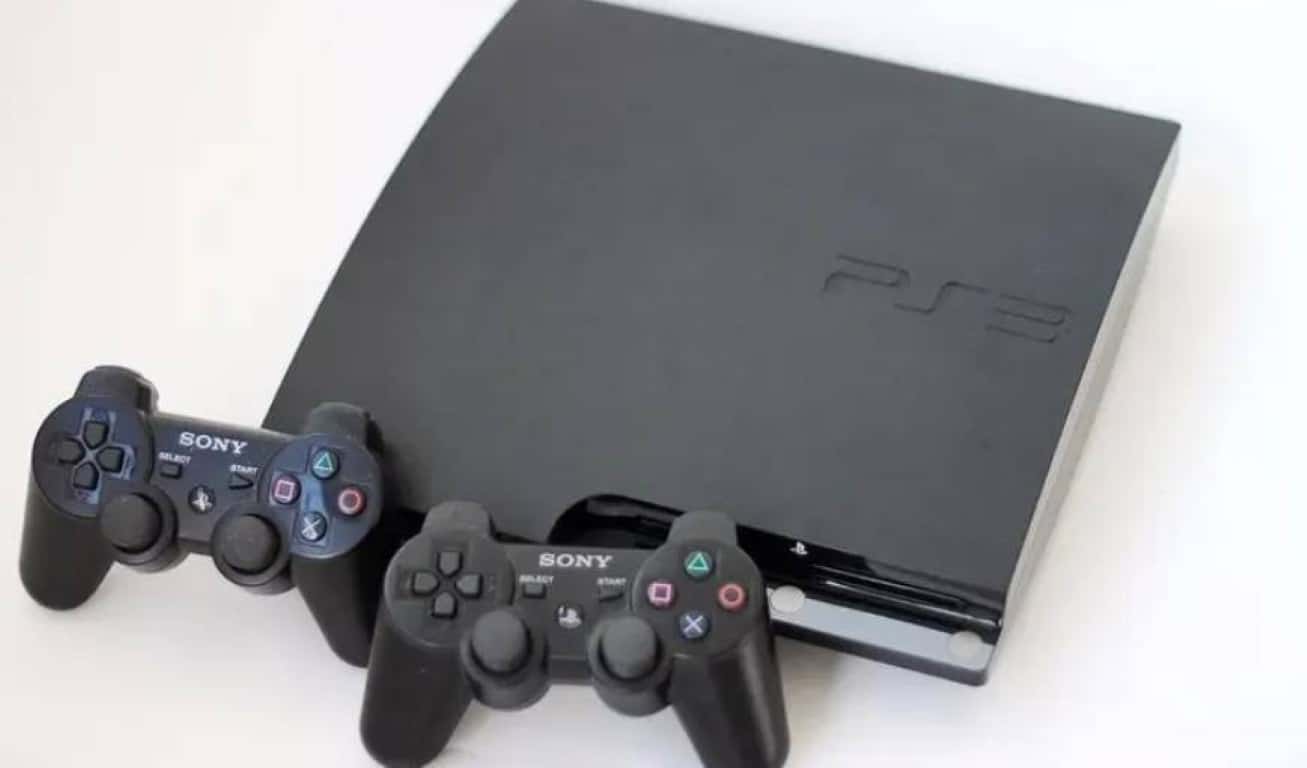
Developers at the time needed to rewrite large portions of their graphics engines to take advantage of this parallel architecture. Estúdios exclusive to Sony managed to extract visual results that defined the generation, but the technical cost was the creation of software intrinsically linked to the original hardware. Essa physical dependency made porting these titles to other platforms a monumental task, often requiring complete reverse engineering of the original code.
Technical challenges in preserving classics
Iconic titles like Metal Gear Solid 4: Guns of the The game’s logic was intertwined with the console’s parallel processing capability, creating a significant barrier to running on modern x86-based architectures.
Emulation, a process that attempts to replicate the behavior of the original hardware via software, faces severe obstacles when it comes to the Cell processor. Para To accurately emulate the synchronization between the main core and the synergistic cores, raw computational power much greater than that of the original console is required. Isso explains why, even years after the end of the console’s life cycle, high-performance computers still struggle to run certain games with the expected fidelity and stability.
The emulator development community, like the team behind the RPCS3 project, has made notable advances in interpreting these complex instructions. However, emulation alone is often not enough to ensure a seamless user experience. Problemas such as frame rate drops, shadow rendering glitches, and audio dyssync are common and require specific game-by-game fixes, known as patches, to work around the idiosyncrasies of the original architecture.
Recompilation and modernization strategies
Faced with the limitations of traditional emulation, major publishers and copyright holders have begun to explore recompilation as a viable alternative to bringing these classics to modern platforms. The Esse process involves translating the original source code, designed for the Cell, into languages and instructions understandable by current Intel and AMD processors. Essa approach eliminates the real-time translation layer of emulation, allowing the game to run natively on the new hardware.
Konami, for example, has invested resources in modernizing its library, aiming to overcome the technical barriers that kept certain chapters of its franchises tied to hardware from two decades ago. By opting to recompile and adapt the code, it is possible to not only run the game, but also implement significant improvements such as 4K resolutions, unlocked frame rates, and support for fast storage technologies such as SSDs, which did not exist at the time of the original release.
This change in strategy reflects an industry recognition of the importance of commercial and historic preservation. Manter Games accessible only via old hardware or imperfect emulation limit the reach of important cultural works. Modern software engineering now makes it possible to disassemble the complex instructions of the past and rebuild them, ensuring that the original artistic vision is maintained while taking advantage of the stability of contemporary systems.
The legacy of proprietary architecture
The industry’s transition to the x86 architecture, consolidated with the launch of the PlayStation 4 and maintained in the PlayStation 5, has greatly facilitated the development and preservation of games in subsequent generations. Hardware uniformity between consoles and computers has simplified the porting process, allowing games to be released simultaneously on multiple platforms without the need for drastic code rewrites.
The PlayStation 3 period remains a case study in the risks and rewards of proprietary hardware innovation. If, on the one hand, the Cell processor allowed experiences that seemed impossible for the competition at the time, on the other, it created a technological silo that isolated these games from the natural progress of computing. The current effort to free these titles is a testament to the complexity of that engineering and the lasting value of the experiences it provided.
Technology experts point out that the learnings gained from the Cell processor era directly influenced Sony hardware design decisions in the following decades. Prioritizing developer-friendly architectures became a central pillar, ensuring that studios’ focus could remain on creativity and playability rather than fighting the limitations and eccentricities of silicon.
The digital preservation of games from that era remains a technical battleground, where software engineers and fan communities work to ensure that video game history is not lost due to hardware obsolescence. As new recompilation and advanced emulation techniques emerge, the barrier erected by the PS3 architecture finally begins to be overcome definitively.



