
Elon Musk prioritizes self-sustainable city on the Moon in less than 10 years by SpaceX

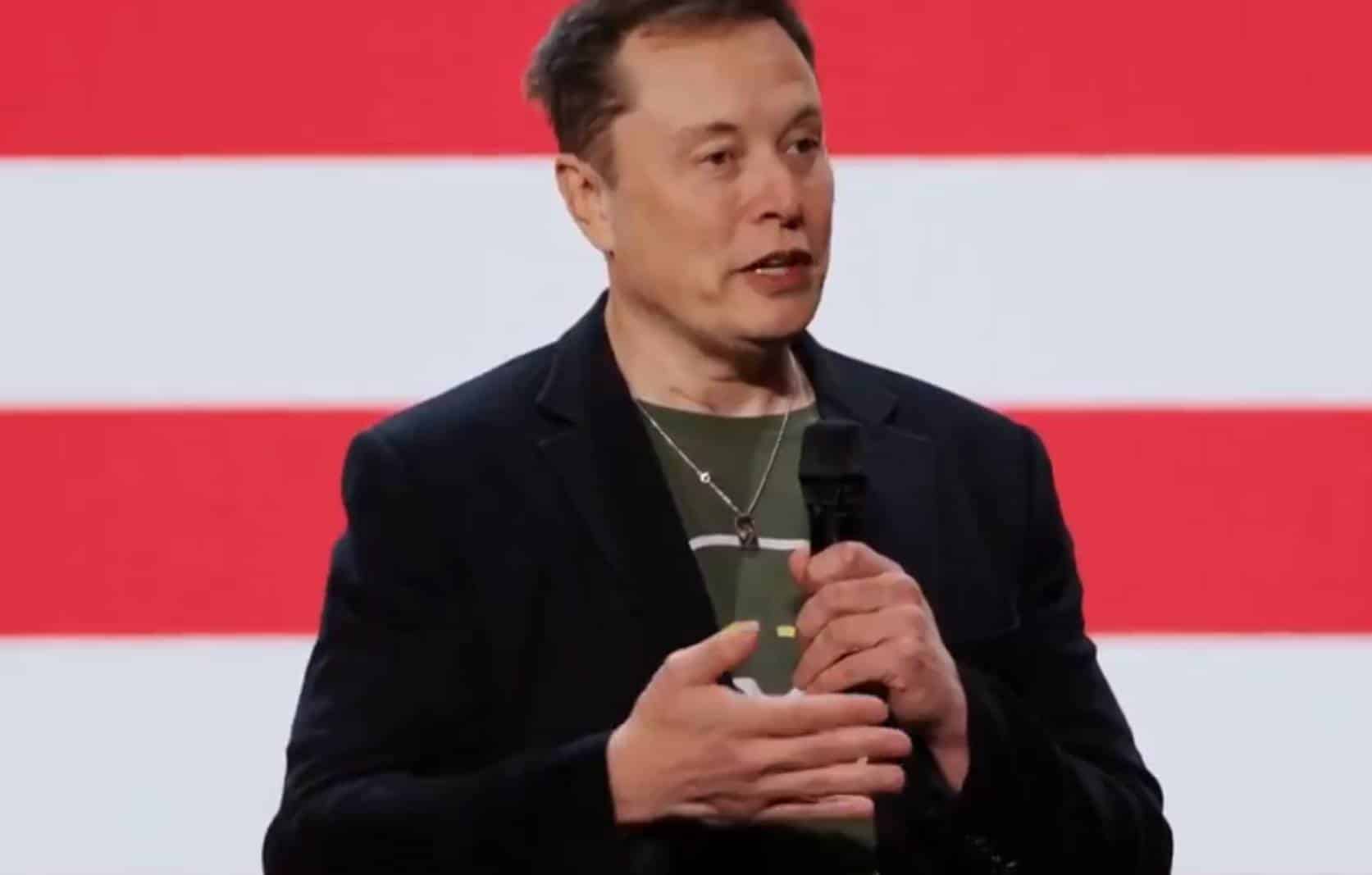
Elon Musk, founder and CEO of SpaceX, announced that the company is prioritizing the construction of a self-sustainable city on Lua, with the capacity for gradual expansion using local satellite resources. In a publication on X that reached millions of views, he stated that this objective can be achieved in less than 10 years. The statement represents a strategic shift from the previous focus on Marte, highlighting Lua as the fastest path to establishing a permanent human presence outside of Terra.
The proximity of Lua allows for frequent launches, every 10 days, with a trip lasting just two days. Essa logistical advantage facilitates continuous shipping of equipment, supplies and fixes in case of problems. Musk maintained that SpaceX’s long-term mission remains to lead multiplanetary life, but Lua now emerges as an immediate priority to ensure the continuity of civilization.
Reasons to prioritize Lua over Marte
- Trips to Lua occur with much shorter and more frequent launch windows.
- Reduced travel time allows quick response to emergencies or technical failures.
- Lower costs and increased mission cadence speed up testing and initial construction.
- Lunar experience could serve as a basis for more complex future missions to Marte.
Technical advances needed for self-sufficiency
The extraction of oxygen, water and construction materials from lunar regolith is based on industrial processes already tested on Terra. Sistemas of on-site production must undergo rigorous validation on the lunar surface, facing extreme conditions such as drastic temperature variations, fine and abrasive dust and low gravity. Especialistas consider that an outpost capable of generating part of its own oxygen and extracting water ice is an achievable goal in the next 10 years.
The creation of a complete closed cycle for food, with total recycling of nutrients and waste, presents greater complexity. Esse step will require significant advances in space biotechnology and closed systems engineering. Musk’s vision envisions gradual growth, starting with basic habitats and evolving into larger structures as infrastructure takes hold.

Context of the international moon race
The Estados Unidos intensify efforts to return humans to Lua this decade through the Artemis program, in which SpaceX serves as the lead partner for the development of landers. China also moves forward with ambitious plans for manned lunar missions. The last human presence on the lunar surface occurred in 1972, during Apollo 17.
Recent reports indicate that SpaceX has adjusted internal schedules, with the unmanned landing of Starship scheduled for March 2027. The company operates with a model that allows for rapid iterations, unlike government space agencies, which follow longer cycles and depend on public approvals.
Expert opinions on the schedule
Engineers and researchers evaluate the plan as ambitious, but based on existing technologies. SpaceX’s ability to reduce costs and increase launch frequency represents an important differentiator. A small initial settlement with partial resource production could mark concrete progress in the next decade.
The experience accumulated at Lua should provide valuable data for habitat development at Marte. Muitos experts see the satellite as an essential logistical springboard before facing the red planet’s greater challenges, such as greater distance, communication delays and restricted launch windows.
Musk’s statement generated great repercussion, with followers sharing visual concepts of possible lunar structures, many created with artificial intelligence tools. Embora there are still no detailed official plans, the central concept remains autonomous expansion with maximum use of local resources.



