
Fiat invests in seven-seater SUV with hybrid powertrain and Stellantis global platform

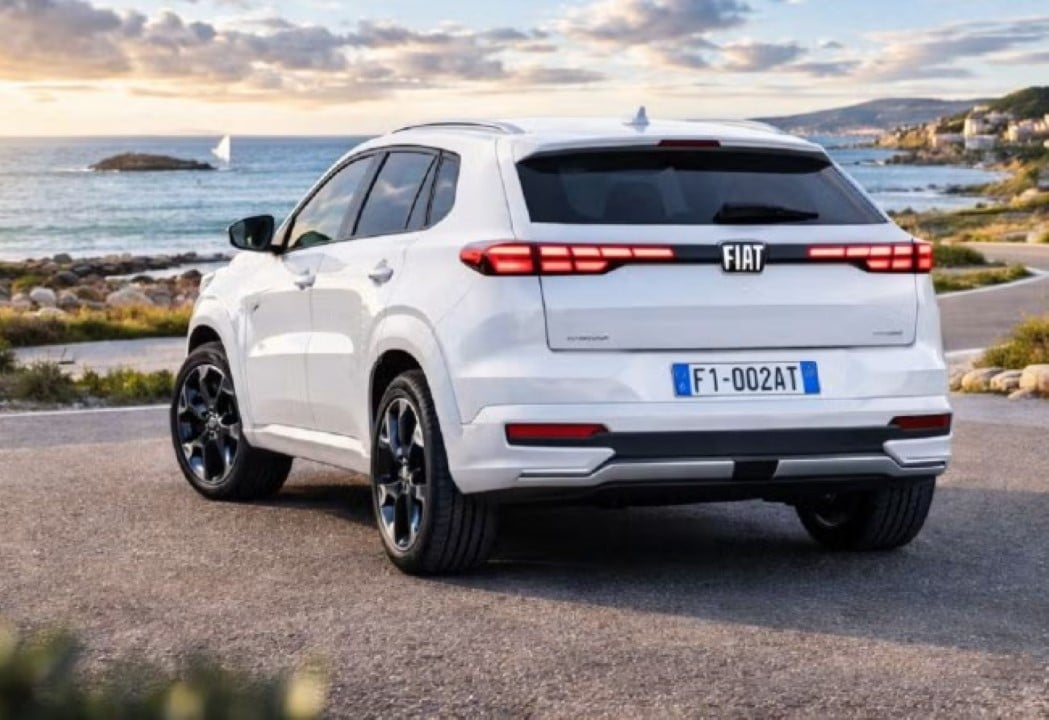
The automotive industry is observing a significant strategic movement coming from the Italian manufacturer, which seeks to consolidate its presence in the family vehicle sector with a proposal focused on rationality and cost-benefit. The new project uses the global Smart Car platform, a shared architecture within the Stellantis group, to develop a car that prioritizes passenger transport capacity and energy efficiency. Essa industrial synergy is essential for optimizing production costs, allowing the brand to offer a competitive solution in a market increasingly saturated with high-value options.
Planning for the second semester points to the launch of a vehicle with an estimated length of between 4.4 and 4.5 meters. Unlike the current trend of sporty silhouettes that often compromise internal space, this project places livability as an absolute priority. The proposal is to offer a rational alternative, focused on functionality for daily use and accessibility, directly meeting the needs of those looking for a robust means of transport without the aesthetic excesses that make the final product more expensive.

The main competitive advantage of this launch lies in its seven-seat configuration, filling an important gap for large families who need practicality, but do not wish to migrate to traditional minivans or large, high-cost SUVs. The modular design philosophy adopted by engineering eliminated superfluous elements, maintaining the accessible value proposition that has historically defined the automaker’s operations in popular segments.
Strict space utilization criteria were followed in the development of the vehicle, resulting in a product that defies conventional standards of automotive aesthetics in favor of utility. The decision to use a common base within the automotive holding allows not only the reduction of costs, but also the rapid adaptation of modern propulsion technologies, essential for compliance with environmental standards in force in 2026.
Geometric approach and design functionality
The aesthetics of the new model break with traditional curved lines, adopting a geometric approach inspired by concepts that value robustness and visual simplicity. The exterior design is characterized by square shapes and straight lines, creating a distinct visual identity. At the front, LED optical sets with pixelated elements give the vehicle a technological and retro-futuristic identity, aligning the car with contemporary industrial design trends.
Inside, the absolute priority is ergonomics and ease of use for the driver and passengers, taking advantage of a high roof that increases the feeling of space and thermal comfort. The choice of finishing materials was based on highly durable and easy-to-clean components. Essa decision reinforces the utilitarian character of the car and avoids unnecessary luxuries that would increase the final price without adding practical value to families’ daily lives.
Practical elements were incorporated into the design to emphasize the vehicle’s mixed use, both in urban traffic and leisure travel. A functional roof allows for the safe transport of additional loads, while moldings on the wheel arches provide extra protection against debris. Replacing chrome with recycled and sustainable materials integrates a minimalist approach that conveys resistance and environmental awareness.
Energy efficiency and hybrid mechanical assembly
The mechanical package relies on mild hybridization technology (MHEV) to balance performance and fuel economy. The system uses a 48 volt network coupled to the combustion engine to reduce pollutant emissions. The 1.2 PureTech engine works in conjunction with an auxiliary electric drive integrated into the dual-clutch transmission, allowing maneuvers at low speeds and driving in traffic jams using only electrical energy.
Fully electric versions are also part of the strategic planning, aiming to serve markets with strict environmental standards and consumers seeking zero emissions. Essas variants will be equipped with lithium iron phosphate (LFP) batteries, selected as they offer the ideal balance between production cost and long-term durability, with lower maintenance requirements and superior energy efficiency.
The implementation of these technologies reflects the need to adapt to global regulatory requirements without compromising the financial accessibility of the vehicle. The mild hybrid solution acts as an effective bridge to full electrification, keeping acquisition and maintenance costs at acceptable levels for the target audience in the family segment.
Market positioning and strategic production
To ensure a lean operating cost structure that is reflected in the final price to the consumer, production must be allocated to strategically positioned factories, such as at Sérvia or Marrocos. The initial estimate for the European market is around 20 thousand euros for the hybrid versions, a value considered aggressive given the size of the vehicle and its capacity for seven passengers.
The model, known behind the scenes as a robust evolution of the Panda line, symbolizes the brand’s transition to an electrified future without abandoning its DNA of creating popular and ingenious cars. The combination of generous space, efficient motorization and contained price positions the launch as one of the main bets for the rational consumer looking for a safe and connected means of transport.
The arrival of this SUV on the market represents a direct challenge to competitors who have abandoned the entry-level segment or made their products more expensive. By focusing on the essence of family transport — space, economy and robustness — the manufacturer reaffirms its commitment to offering democratic mobility in an economic scenario that increasingly demands rationality in purchasing decisions.



