
Global health emergency: Mpox and Nipah, the urgent comparison of risks and impacts for public health

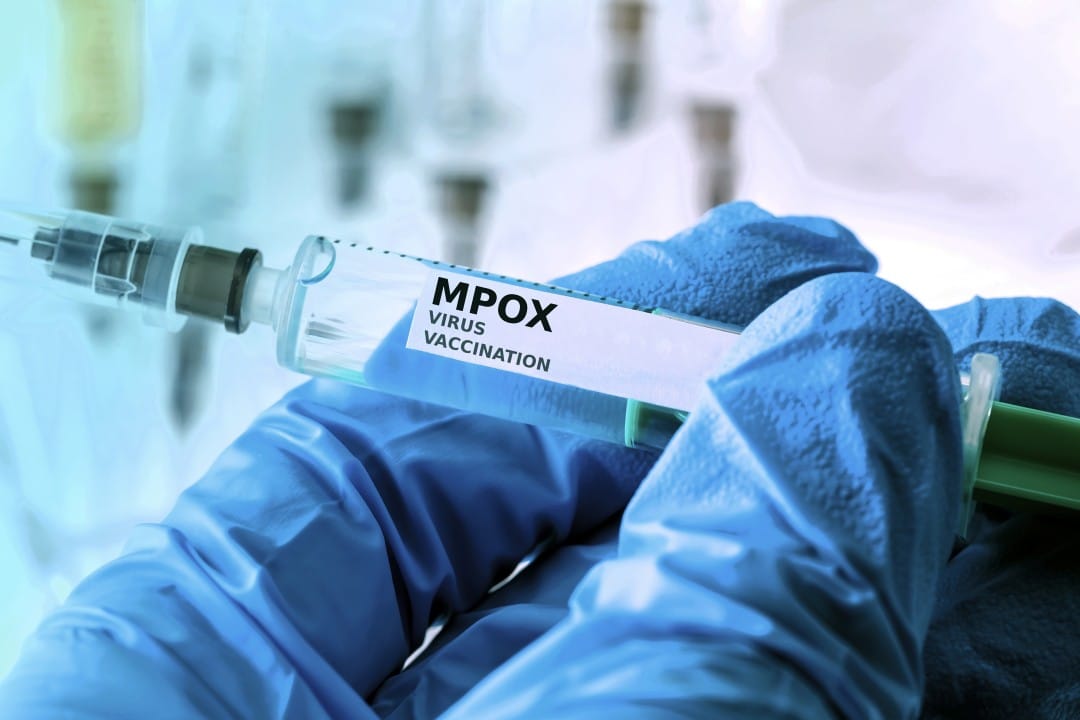
The emerging outbreaks of Mpox and Nipah continue to challenge public health authorities on a global scale, with both viruses having caused deaths and episodes of contagion that raise serious concerns. Apesar Although they share the ability to cause serious diseases, each pathogen exhibits distinct characteristics in its modes of transmission, clinical severity and, crucially, in its potential for global dissemination, requiring specific approaches to surveillance and control.
Global attention has focused on the growing need to understand and mitigate the risks posed by these infectious agents, especially in a scenario where surveillance of emerging diseases has advanced significantly, but new chains of contagion continue to emerge on several continents. Compreender the differences and similarities between Mpox and Nipah are essential for health systems to prioritize and implement effective prevention and response measures.
Recent experience with pandemics and epidemics reinforces the importance of a detailed analysis of risk scenarios, allowing proactive preparation against future threats. The ability to predict outbreak patterns and response readiness can be decisive in limiting the impact of diseases with pandemic potential.

Mpox: transmission, symptoms and global reach
Mpox is a zoonotic viral infection caused by an orthopoxvirus, belonging to the same family as human smallpox, eradicated decades ago. Este pathogenic agent is predominantly transmitted through direct contact with skin lesions, body fluids from infected individuals and contact with contaminated surfaces or objects. Embora less common, transmission by respiratory droplets can occur in closed environments and through prolonged contact, highlighting the need for varied precautions.
Since 2022, the disease has gained international prominence with the notification of cases in dozens of countries outside the endemic regions of África, with many transmissions linked to close and prolonged contact. Typical symptoms include fever, muscle pain, general malaise and, distinctively, skin rashes that can range from single to multiple lesions, spread over different areas of the body.
The lethality of Mpox is variable, influenced by the type of viral strain and the quality of access to medical care. In places with good healthcare infrastructure, most patients recover fully. However, individuals who are immunocompromised or have comorbidities may face more serious complications, and the disease can leave scars and prolonged discomfort, affecting quality of life even after recovery.
Nipah virus: a silent threat with high lethality
The Nipah virus, a member of the Henipavirus genus, represents a unique global health concern due to its high fatality rate and the complexity of its transmission. The natural reservoir of the virus is fruit bats, but it can infect humans and other animals, notably pigs, which act as intermediate hosts and can amplify transmission to humans.
Transmission of Transmissões intra-hospital injuries were also documented in specific contexts, highlighting the risk in healthcare environments without due control.
The clinical manifestations of Nipah infection are varied and can range from mild respiratory symptoms to severe encephalitis, a brain inflammation that can lead to seizures, coma and death. Previous Surtos in Asian countries have recorded alarmingly high case fatality rates, making it one of the most dangerous pathogens in terms of individual severity.
Despite its lethality, the Nipah virus has caused more localized episodes, predominantly in rural or peri-urban areas, without the global spread pattern observed in other pandemics. Contudo, the absence of a specific and widely available vaccine or antiviral treatment keeps Nipah on the list of priority pathogens for research and development of countermeasures by international health agencies.
Global risk comparative analysis
The question of which virus, Mpox or The assessment requires a comprehensive perspective that considers diverse epidemiological and social factors.
In terms of geographic reach and speed of spread, Mpox demonstrated a greater ability to spread between continents, with cases emerging simultaneously in multiple nations. Esse pattern suggests ease of transmission across broad social and sexual networks, making it a significant challenge for controlling outbreaks in urban and globally connected populations.
On the other hand, the Nipah virus presents an opposite scenario in relation to its epidemiology, characterized by fewer total cases, but with significantly higher individual mortality in several outbreaks. The absence of an effective and readily accessible vaccine for the general population intensifies the concern surrounding this virus, as intervention options are limited.
Despite the high lethality of Nipah, its transmission is still concentrated in very specific contexts, often linked to contact with infected animals or the consumption of contaminated products, which restricts its mass spread. Ambos pathogens, Mpox and Nipah, require continuous surveillance, investments in research and well-articulated emergency response plans to mitigate their potential risks.
Factors driving epidemic potential
Several elements amplify the potential impact of Mpox and Nipah, transforming localized outbreaks into broader threats. Accelerated urbanization, for example, intensifies contact between people and, in many regions, contact with wild animals, which are virus reservoirs. Essa proximity facilitates the passage of pathogens between species and subsequent transmission to the human population.
Furthermore, changes in land use, such as deforestation and agricultural expansion, bring human communities closer to the natural habitats of bats and other wildlife that may carry these viruses. Essa increased interaction creates more opportunities for zoonotic spillover events, in which the virus jumps from one animal species to humans.
Intense global connectivity through international travel also plays a crucial role, shortening distances between at-risk areas and major urban centers. An infected individual in a remote region can easily transport the virus to a distant continent before even showing symptoms, making early detection and containment a complex public health challenge.
Current and future containment strategies
Given the risk panorama represented by Mpox and Nipah, prevention and control strategies play a fundamental role in protecting global health. Campanhas of clear and accessible information is essential to educate the population about the warning signs of both diseases, encouraging the rapid search for medical care and the adoption of basic preventive measures, such as hand hygiene and social distancing in case of symptoms.
At the same time, it is imperative that healthcare professionals receive continuous and updated training for early diagnosis and adequate management of cases of Mpox and Nipah. Isso includes the ability to identify atypical symptoms, the implementation of effective isolation protocols, and the correct use of personal protective equipment in clinical settings, minimizing the risk of secondary transmission.
For Mpox, there are vaccines based on smallpox formulations that have been used in high-risk populations, such as healthcare workers and close contacts of confirmed cases, to reduce the incidence and severity of the disease. Active epidemiological surveillance and rapid outbreak investigation are also crucial tools for mapping spread and quickly intervening in transmission chains.
Regarding the Nipah virus, protective measures focus on reducing exposure to the animal reservoir and safe food handling practices. Recomenda avoid consuming fruit that may have been contaminated by bats and ensure that farm animals, such as pigs, are kept in hygienic conditions and monitored in endemic regions. The search for specific vaccines and treatments for Nipah is a global priority, with efforts aimed at developing antivirals and rapid diagnostic tests, which could revolutionize the response to future outbreaks.
Challenges in health surveillance and response
The effectiveness of responses to outbreaks of Mpox and Nipah is intrinsically linked to the robustness of surveillance systems and the capacity for early detection. Sistemas healthcare systems with weak surveillance face the high risk of identifying outbreaks late, which severely compromises containment actions and could lead to a wider and uncontrolled spread of the virus. Lack of resources and training in many regions makes rapid mobilization difficult.
Another significant challenge lies in the social and economic inequalities that affect public health. In communities with crowded housing, limited access to basic sanitation, and insufficient health information, the transmission of infectious diseases such as Mpox and Nipah can be accelerated. Essas conditions create favorable environments for viruses to establish themselves and spread, making interventions more complex.
Population mobility and global trade, although essential to economies, also represent a vector for the rapid dispersal of pathogens. Detection of imported cases requires close surveillance at points of entry and effective contact tracing capabilities to prevent secondary spread. International coordination is vital, but it often runs into political and economic barriers.
Scientific innovation and international collaboration
Tackling Mpox and Nipah requires a continuous effort in scientific innovation and robust international collaboration. Instituições researchers around the world are investing in developing new vaccines, antiviral therapies, and faster, more accurate diagnostic tools. Esses advances are crucial to improving response capabilities to health emergencies and saving lives.
The exchange of information and data between countries, as well as the standardization of surveillance protocols, are essential to monitor the evolution of these viruses and identify new strains or transmission patterns. Programas animal health surveillance, focused on bats and other reservoirs, provides early warnings about changes in viral circulation, allowing us to anticipate and mitigate threats.
In short, Mpox and Nipah remain priorities on the global health agenda. A coordinated response between nations, combined with strengthening health systems, public education and investment in research and development, is the only way to reduce the impact of future outbreaks. With planned policies and consistent information, the global community will be better prepared to face these complex and constantly evolving infectious challenges.




