
Launch of the Pixel 10a frustrates users and rivals with superior hardware gain prominence in the market

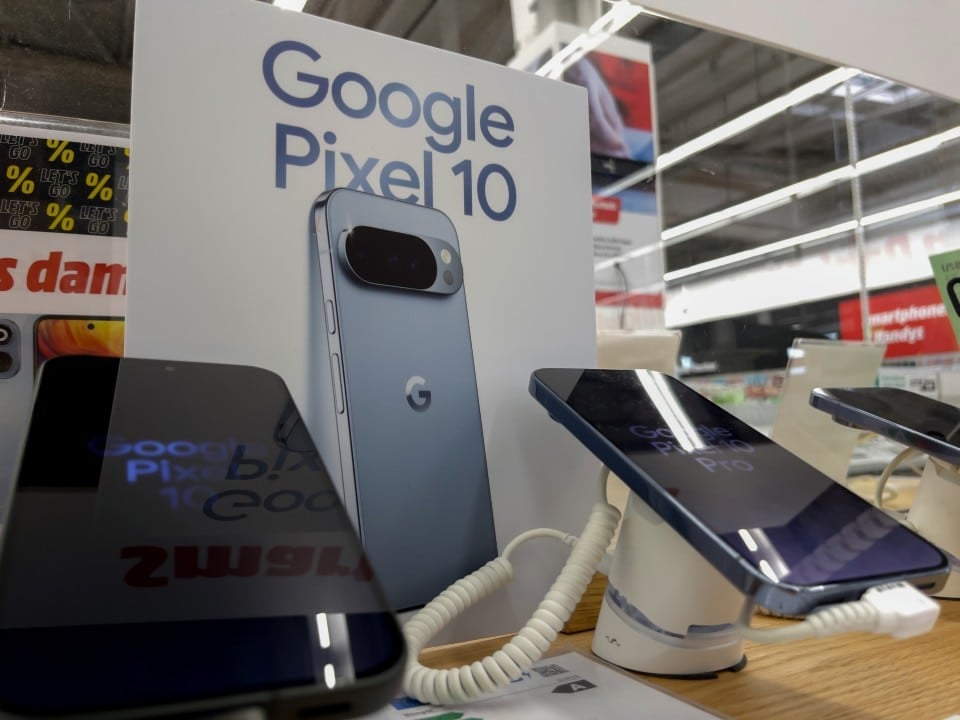
The arrival of new intermediate devices on the global technological scene has generated intense debates among market analysts and demanding consumers. The strategy adopted by the Mountain View giant for its latest mid-cost smartphone, priced at $499, appears to have opted for conservation over innovation. By maintaining the Tensor G4 processor, the same set of cameras and battery as the previous model, the device bets all its chips on the integration of software and artificial intelligence, leaving a significant gap in terms of hardware evolution.
This strategic decision set a dangerous precedent for the manufacturer, allowing direct competitors to occupy the space with more technically robust offerings. While the focus on system optimization remains a central pillar for some, the 2026 market demonstrates a clear demand for raw specs that justify the investment, especially when rival brands offer palpable generational leaps in the same price range.

The stagnation in the technical specifications of the Google device contrasts sharply with the aggressive movement of other Asian and North American manufacturers. Today’s consumer, armed with more information and options, tends to coldly compare technical data sheets, and it is in this scenario that alternatives presented by companies such as OnePlus, Motorola and Samsung begin to gain significant traction, offering more physical resources for the same amount invested.
Gross performance and energy autonomy as a differentiator
In the current competitive scenario, the OnePlus 15R appears as a direct response to those who prioritize power and durability. The model positions itself as a brute-force alternative, integrating the advanced Snapdragon 8 Gen 5 chipset. The visual experience is amplified by a 6.78-inch AMOLED screen that supports a refresh rate of 165 Hz, ideal for gaming and fluid browsing.
In addition to superior processing, energy autonomy has become a crucial battleground. The OnePlus device breaks barriers by incorporating a massive 7,400 mAh battery, supported by 80 W fast charging.
Ultra-slim design and military strength
Another aspect explored by competitors is the fusion between refined aesthetics and extreme durability, exemplified by the Motorola Signature. Este device stands out for its extremely thin profile of just 6.99 mm, without sacrificing structural resistance, guaranteed by IP69 certifications against water and dust and the MIL-STD military standard. The design is not just visual, but functional, protecting cutting-edge hardware.
Internally, the Motorola model leaves nothing to be desired, also operating with the Snapdragon 8 Gen 5 processor. Internal storage reaches an impressive 1 TB, a capacity rarely seen in this segment. The triple camera system, consisting of 50 MP sensors for the main, ultrawide and periscope lenses, ensures versatility and image quality in different lighting conditions, challenging the photographic hegemony that the Google has maintained for years.
Focus on content creation and photography
For audiences who value capturing images and producing visual content, the Nothing Phone 3a Pro has established itself as a focused and efficient solution. The big highlight of this model is the inclusion of a 50 MP periscopic lens with 3x optical zoom, a feature often reserved for high-cost premium devices. The choice of the Snapdragon 7s Gen 3 processor demonstrates a balance between energy efficiency and sufficient performance for media tasks.
Nothing’s strategy aims to fill the gap left by devices that neglect optical zoom in favor of digital processing. By offering dedicated hardware for long-distance photography, the brand attracts creators looking for versatility without the exorbitant price of high-end ones, cementing its position as an affordable creative expression tool.
Software longevity and extended support
The Samsung keeps its user base loyal through the promise of long-term durability with the Galaxy S25 FE. The device is equipped with the Exynos 2400 chip and a 4,900 mAh battery, but its real asset lies in the update policy. The seven-year operating system and security support guarantee provides peace of mind that few competitors can match.
While 45W charging is sold separately, the S25 FE’s overall package delivers a solid balance between performance, capable cameras, and the security of a device that will stay fresh well into the next decade. Essa’s conservative yet reliable approach continues to be a strong counterpoint to riskier hardware innovations from other brands, keeping the Samsung a safe choice in the segment.



