
Leak indicates that the Galaxy S26 Ultra’s battery will have a shorter lifespan than the previous model
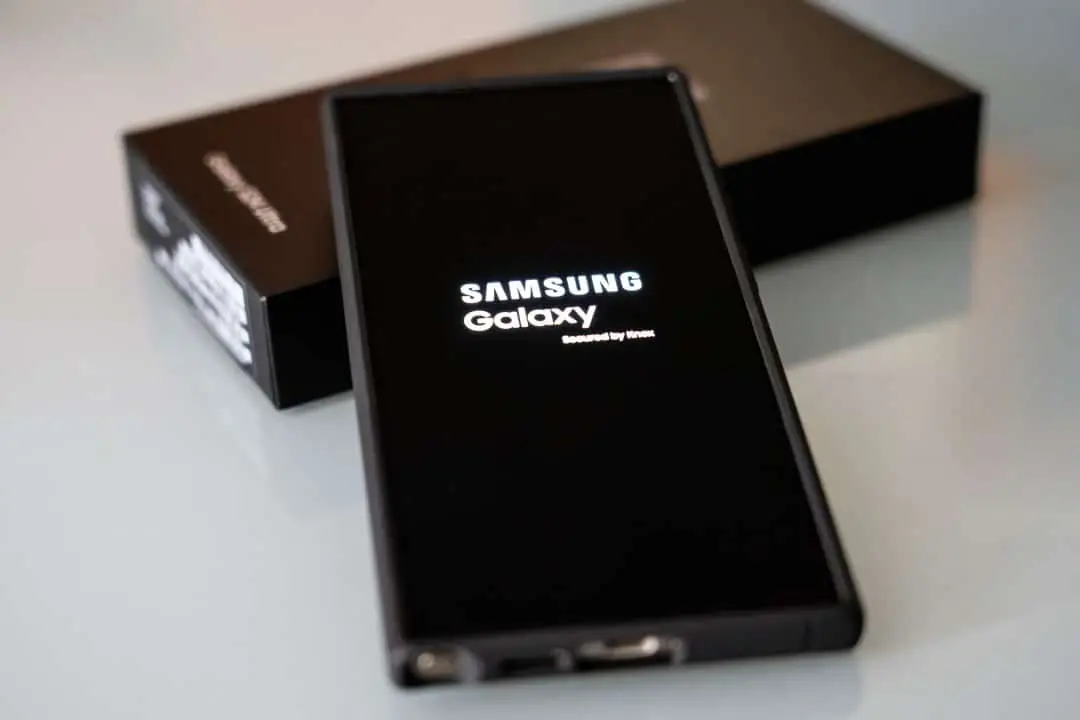
New regulatory documents have emerged from União Europeia revealing crucial technical details about the Samsung’s next major launch into the premium smartphone market. The information, coming from mandatory energy rating labels in the region, indicates that the brand’s future top-of-the-line device will maintain the same nominal energy capacity as its predecessor, but will present a significant reduction in the chemical longevity of the battery cells. The data indicates a change in hardware strategy that could impact long-term usage time for consumers who plan to keep the device for several years.
The official documentation confirms that the device will come equipped with a 5,000 mAh battery, repeating the exact specification found in the current generation. However, the point that caught the attention of analysts and technology enthusiasts was the durability rating for charging cycles. Enquanto the previous model established a high standard of wear resistance, the new component presents a more accelerated degradation under the test conditions standardized by European authorities.

This change in technical specifications raises questions about the chemical composition of the batteries used or the energy demands of the new processor that will equip the device. The mobile industry has constantly sought a balance between offering faster charging and maintaining the health of the energy component, and the numbers released suggest that the balance may have tipped towards speed at the expense of total cycle life.
On the same topic: Electric car batteries exceed expectations and can last more than 20 years
Comparison of useful life cycles
The difference in durability numbers is significant when placed side by side with the S25 Ultra model. The last generation device was widely praised for maintaining 80% of its original capacity even after completing 2,000 full charge cycles. Isso represented, in practice, around four to five years of intense use before the user noticed a noticeable drop in the device’s daily autonomy.
In contrast, energy label data for the Galaxy S26 Ultra shows that the battery will reach the 80% remaining health mark after just 1,200 cycles. Isso represents a 40% reduction in the expected useful life of the component before it begins to degrade more significantly. In practical terms, this could mean a reduced peak performance lifespan to around three years, depending on the user’s charging habits.
More on this story: New information about the Galaxy S27 warns about the maintenance of cameras in the standard model
Despite this reduction in cycle count, Samsung appears to be betting on software optimization and the efficiency of the new chipset to compensate for physical degradation. The technical description suggests that improvements in operating system and hardware power management will allow daily autonomy to remain competitive, even with the battery cell having less long-lasting chemistry than its predecessor.
Loading speed and performance
One of the factors that may justify the change in battery technology is recharging performance. The new smartphone will support wired charging of up to 60W, a speed that promises to reduce the time the device needs to be connected to the socket. Segundo Preliminary tests revealed that the device will be able to go from 0% to 75% charge in just 30 minutes, offering convenience for users with busy routines.
The relationship between charging speed and battery degradation is a constant challenge in smartphone engineering. Correntes Higher electrical voltages generate more heat and chemical stress on the lithium-ion cells, which naturally accelerates wear. The decision to limit guaranteed cycles to 1,200 could be a direct reflection of the implementation of more aggressive charging technologies or a new internal architecture that prioritizes immediate power delivery.
Learn more: Apple accelerates production of the iPhone 17e and develops new Air model with dual camera system
In addition to speed, the device’s overall energy efficiency received an “A” rating on the European scale. Isso indicates that despite the cycling issue, the device’s power consumption during active use is highly optimized. The report points out that the model offers up to 31 hours of continuous video playback, matching the previous model’s mark, which demonstrates that daily autonomy has not been compromised in the short term.
Resistance and reparability certifications
In addition to the battery specifications, the documents confirm that the Galaxy S26 Ultra will maintain the line’s high construction standards. The device is IP68 certified, guaranteeing total protection against the ingress of dust and resistance to submersion in fresh water at a depth of 1.5 meters for up to 30 minutes. Essa feature ensures that the physical integrity of the device is maintained even in liquid accident situations.
União Europeia has been pressuring manufacturers for greater transparency and ease in electronics repair. Releasing this battery data is part of this regulatory effort, allowing consumers to know exactly what to expect from the lifespan of their electronics before purchasing. Samsung continues to support battery replacement at its authorized service centers, which will become an essential service to extend the life of the device beyond the initial three years.
Full coverage: News (EN)
The market is now awaiting the official announcement and practical tests to see how this theoretical reduction in cycles will translate into real use. With the advancement of integrated artificial intelligence and increasingly brighter screens, energy management becomes the central pillar of the user experience, and the South Korean manufacturer’s strategy will be put to the test as soon as the device hits global shelves.
More news in News (EN)
See more → Samsung releases new system update with new features for Galaxy Watch 4 users
 Digital retail reduces the value of the Galaxy S25 5G smartphone with bank bonuses and device exchange
 Amazon’s wireless CarPlay adapter has a 50% discount and high approval ratings from drivers
 Zach Cregger’s new Resident Evil ignores games and focuses on an unprecedented story with new characters
 Rumor suggests that Nintendo is preparing a special edition of the Switch 2 with a remake of Ocarina of Time
 Apple accelerates production of the iPhone 17e and develops new Air model with dual camera system
 Epic Games platform releases twelve high-budget games at no permanent cost for PC users
 PlayStation 5 Pro price drop accelerates digital retail sales and eliminates global stocks
 New Galaxy Watch 9 firmware appears on server and confirms progress in software development
 Apple’s commemorative project tests cell phone with 1.1 millimeter edge and curved screen for 2027
 New Apple system update optimizes urgent task management for iPhone users
 Leak details hardware of the new portable PlayStation with superior graphics to the Xbox Series S
More news on Mix Vale
- 1Colby Minifie confirms Ashley Barrett’s powers in The Boys season five
- 2Napoli x Milan in Serie A with confirmed lineups and where to watch live
- 3New battery test puts Galaxy S26 Ultra ahead of iPhone 17 Pro Max in global ranking
- 4Research reveals that parents are unaware of how their children use artificial intelligence
- 5Oppo officially launches the Find X9 Ultra worldwide with Hasselblad lenses and robust battery
- 6Tim Cook reveals new iPhone and iPod prototypes in celebration of Apple’s fiftieth anniversary
- 7New edition of foldable smartphone brings gold finish to Winter Games competitors
- 8Android system receives native Gemini Nano 4 integration for offline processing on smartphones
- 9Samsung updates QuickStar module and expands visual control of the panel in the One UI 8.5 interface
- 10Leak reveals Lords of the Fallen and Sword Art Online in April’s PS Plus Essential catalog