
Nintendo confirms digital sale of Pokémon FireRed and LeafGreen on Switch with transfer via Home

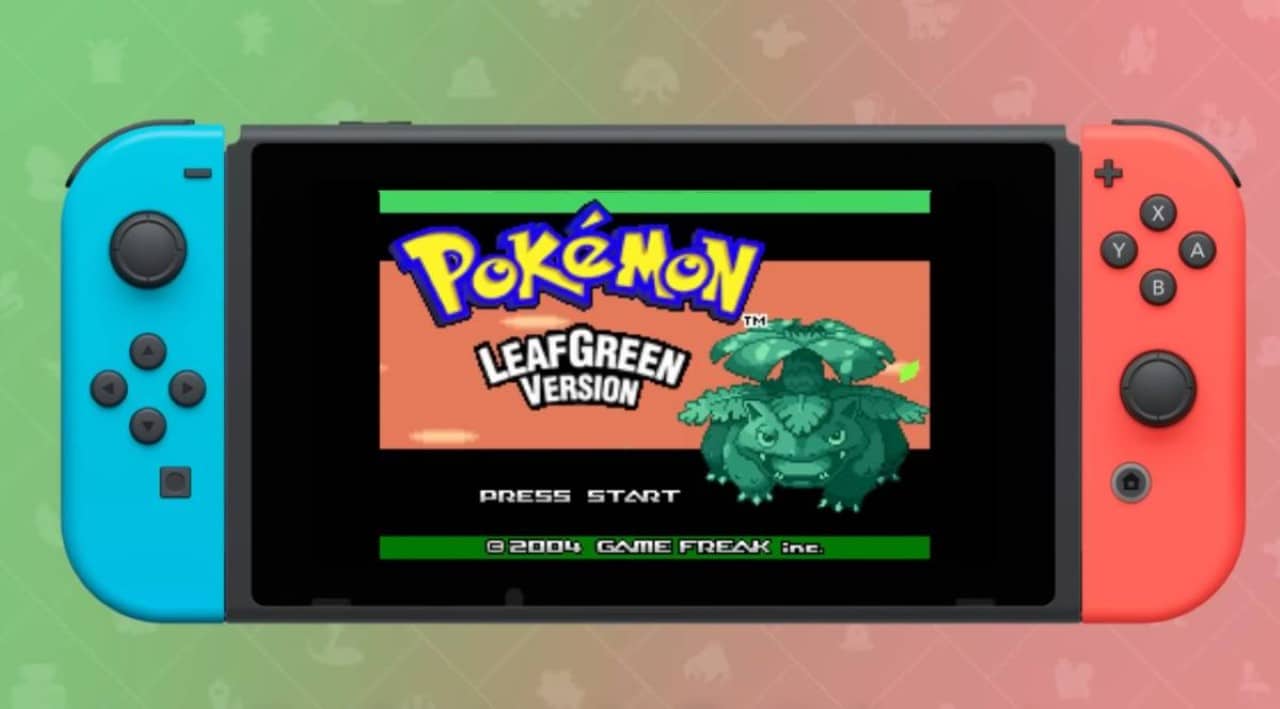
The Pokémon Company officially returned two of the franchise’s most iconic titles to celebrate the series’ thirtieth anniversary. The first generation recreations, originally released for Game Boy Advance, will be available for digital purchase on the eShop from February 27th, a date known worldwide as Pokémon Day. The initiative marks a change in the company’s distribution strategy for classic games, opting for individual sales instead of inclusion in the online subscription service.
The launch will allow a new generation of trainers to explore the region of Kanto with updated 32-bit era graphics and mechanics that have defined the modern competitive landscape. The confirmation occurred shortly after the broadcast of the Pokémon Presents event, validating rumors circulating in the community about the preservation of old titles on modern hardware.
Unlike other official emulators, these versions were treated as premium products in the digital store. The installation file will take up approximately 40 MB of console storage, allowing immediate pre-loading so that access is released at the exact time of global launch.
The digital preservation of these games ensures that the legacy of 2004 remains accessible, eliminating dependence on physical cartridges that have become rare and expensive items on the collectors’ market. Nintendo has ensured that all original content, including the Sevii islands, will be present uncut.
Technical details and network features
One of the main technical innovations of this version is the simulation of the Game Boy Advance’s wireless adapter through the Nintendo Switch’s network infrastructure. The system emulates local communication, allowing players to exchange and battle without the need for link cables, replicating the original experience with the convenience of current technology.
Future compatibility was also a central point in the announcement. Nintendo has guaranteed that these digital titles will be fully compatible with the successor to the current console, provisionally called Switch 2. The digital library acquired by users will be transferred to the new hardware, ensuring the continuity of progress and the validity of the investment made by consumers.
Version differences and exclusive content
Following the tradition of the franchise, each version has exclusive creatures that encourage interaction between players. Para complete the Pokédex of 151 monsters and their evolutions, it will be necessary to use the online exchange resources. Key differences between the editions include:
- Pokemon FireRed:Oferece exclusive access to creatures such as Ekans, Oddish, Psyduck and Growlithe, in addition to focusing on fire-typed monsters in the cover art.
- Pokemon LeafGreen:Disponibiliza natively Sandshrew, Vulpix, Bellsprout and Slowpoke, maintaining fidelity to the original Green version released in
- Shared mechanics:Ambos games include the Vs system. Seeker to re-battle with trainers and the return of Safari Zone.
Market strategy and preservation
The business model adopted for this relaunch deviates from the Nintendo Switch Online standard. The games will be sold separately for R$120.99 in the Brazilian market (US$19.99 in Estados Unidos). The company justifies the price by citing the work of adapting the code to ensure perfect emulation and the implementation of new connectivity features that did not exist in the original ROM.
This decision positions the games as modern “Console Virtual” products, where ownership is permanent and not tied to a monthly subscription. Para veteran players, the price also includes the guarantee of integrity of saved data, something that the internal batteries of the original 2004 cartridges can no longer reliably guarantee.
Connectivity with modern services
The most anticipated feature by the competitive community is the complete integration with Pokémon Home. The system will allow creatures captured in Kanto to be transferred to cloud storage and later uploaded to the latest games in the series. Isso creates a direct bridge between the Game Boy Advance titles and the ninth generation of games.
The transfer process is one-way to ensure game balance, preventing monsters with incompatible moves or stats from being inserted into the original campaign. With this, The Pokémon Company closes the ecosystem cycle, allowing a monster captured in the relaunch of a 2004 game to be used in current competitions, maintaining its original tapes and data.



