
Pixel 10a debut frustrates expectations and opens up space for competitors with cutting-edge hardware

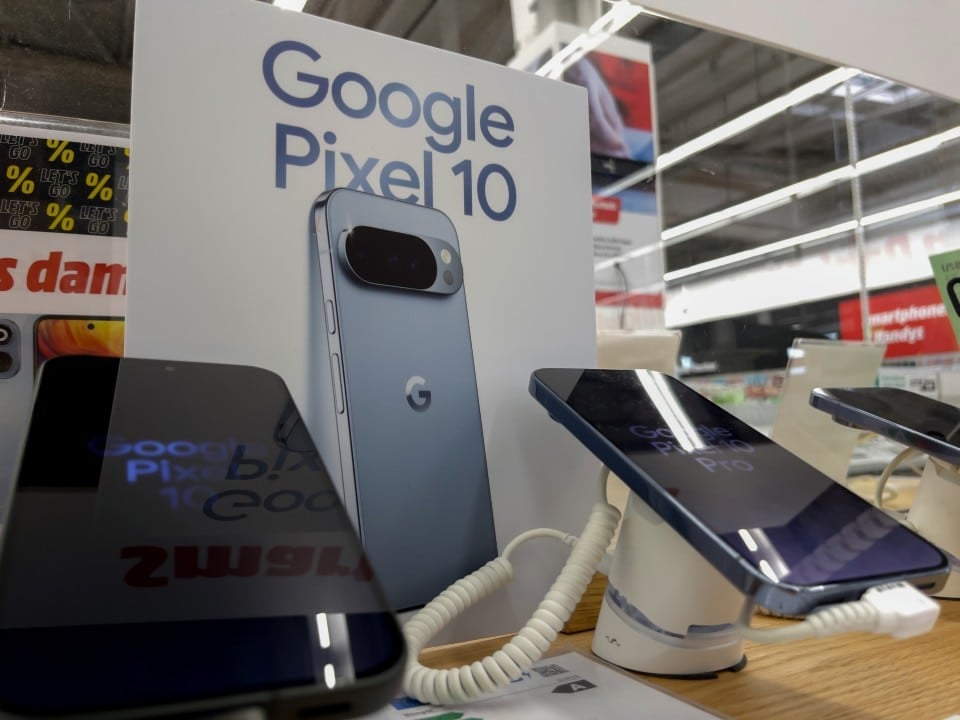
The competitive landscape for mid-range smartphones is undergoing a significant transformation with the arrival of new devices on the global market. Google’s recent strategy for its more accessible line generated intense debates among technology analysts and demanding consumers, marking a moment of divergence between the search giant’s offer and current demands. The launch of the new A series model maintained components from previous generations, such as the Tensor G4 processor, in addition to repeating the predecessor’s set of cameras and battery.
Com um preço fixado em 499 dólares, o dispositivo enfrenta o desafio de justificar seu valor em um segmento onde a inovação técnica se tornou o principal diferencial de vendas. A decisão de manter o hardware estagnado contrasta com a movimentação agressiva de fabricantes rivais, que aproveitaram a oportunidade para introduzir especificações de alto desempenho em faixas de preço similares. A ausência de atualizações significativas no hardware do Google colocou a empresa em uma posição delicada frente a competidores que priorizaram a evolução técnica.

The market reaction points to a trend where optimized software, although crucial, is no longer the only decisive factor for purchase. Consumidores are now seeking a more robust balance between raw processing, energy efficiency and advanced photographic capabilities. Competing brands, upon realizing this gap left by the conservation of the Pixel’s specifications, launched models that defy the conventions of what an intermediate cell phone can offer.
The contrast between the approaches becomes evident when analyzing the technical sheets side by side. Enquanto a manufacturer bets on familiarity and the integration of artificial intelligence with known hardware, other companies invest heavily in state-of-the-art components, such as new processor architectures and advanced cooling systems, aiming to capture the unsatisfied market share with incremental updates.
Raw performance and energy autonomy
At the top of the list of alternatives that stand out is the OnePlus 15R, a device that redefines performance expectations for the segment. Este model is positioned as a replacement focused on brute strength and longevity, attracting users who prioritize speed and time away from sockets. The inclusion of the Snapdragon 8 Gen 5 processor represents a significant generational leap, offering processing capabilities that rival premium models.
The visual experience has been enhanced with the implementation of a 6.78-inch AMOLED screen, capable of achieving a refresh rate of 165Hz. Essa technical specification directly benefits interface navigation and game execution, providing greater fluidity than the category average. The combination of an advanced chipset with a highly responsive display makes the device a solid option for multimedia consumption and intensive tasks.
Another highlight of the competitor’s hardware is its energy capacity. The device houses a 7,400 mAh battery, a volume that far exceeds the capacity offered by the Google device. Para complement this extended autonomy, support for 80W fast charging ensures that downtime is minimized, solving one of the main complaints of modern users about power management on smartphones.
Ultra-slim design and military strength
The Motorola presents its response to the market with the Signature model, which seeks to balance refined aesthetics and extreme durability. The design of the device draws attention due to its reduced thickness of just 6.99 mm, a feature that does not compromise its structural integrity. The device has achieved rigorous certifications, including IP69 rating for protection against water and dust, as well as MIL-STD certification, attesting to its resistance to adverse conditions.
Internally, the device makes no concessions in terms of power, also operating with the Snapdragon 8 Gen 5 platform. The internal storage capacity reaches 1 TB, eliminating concerns about space for files and heavy applications. Essa combination of robust design and powerful internal specifications positions the model as a versatile tool for both the corporate environment and intense everyday use.
The device’s camera system is designed to offer versatility without sacrificing quality. The triple set of lenses has 50 MP sensors in all functions: main, ultrawide and periscope. Essa Uniformity in sensor resolution ensures that images maintain a high quality standard, regardless of the capture mode chosen, serving content creators who require visual consistency.
Focus on photography and cost-benefit
Nothing continues to expand its market presence with the Phone 3a Pro, targeting users who value photography and the brand’s iconic design. The big technical difference of this model is the inclusion of a 50 MP periscopic lens with 3x optical zoom, a feature rarely found in this price range. The strategy aims to democratize access to advanced photography tools, previously restricted to much higher-cost devices.
Processing is handled by the Snapdragon 7s Gen 3 chipset, a choice that balances performance and thermal efficiency. Although the Embora is not the most powerful chip on the market, it offers enough capacity to manage the complex image processing required by high-resolution sensors. The proposal is to deliver a fluid user experience, focused on daily usability and capturing moments with high fidelity.
This optical set positions the device as one of the most attractive options for mobile photography enthusiasts who do not wish to invest in high-end devices. The combination of competent hardware with a unique visual identity reinforces the manufacturer’s position as a creative alternative in the market saturated with devices with similar appearances.
Software and ecosystem longevity
Samsung maintains its loyalty strategy through long-term support with the Galaxy S25 FE. The device is equipped with the Exynos 2400 processor and a 4,900 mAh battery, configurations that aim to offer stable performance for most tasks. The South Korean company’s competitive advantage lies in the promise of seven years of operating system updates and security patches.
This extended update policy ensures that the device remains relevant and secure for a period considerably longer than the competitive average. Para consumers who plan to keep the same device for several years, this guarantee of ongoing support adds substantial value to the initial investment, mitigating planned obsolescence.
Support for 45W charging, although the adapter is sold separately, rounds out the hardware package. The balance between performance, software support and integration with the brand’s vast ecosystem of accessories and services makes the model a rational choice for those looking for consistency and durability in their mobile experience.



