
Portable consoles lose official driver support with discontinuation of the Ryzen Z1 Extreme chip


Owners of high-performance portable gaming devices face a scenario of technical uncertainty following confirmation that AMD has stopped the regular update cycle for the Ryzen Z1 Extreme processor. The absence of new official driver packages for a period of more than six months signals a strategic shift at the company, leaving popular models without the optimizations necessary for the latest releases in the digital entertainment industry.
The last official support registered dates from August 2025, creating a significant maintenance gap that directly impacts the performance and stability of the equipment in 2026.
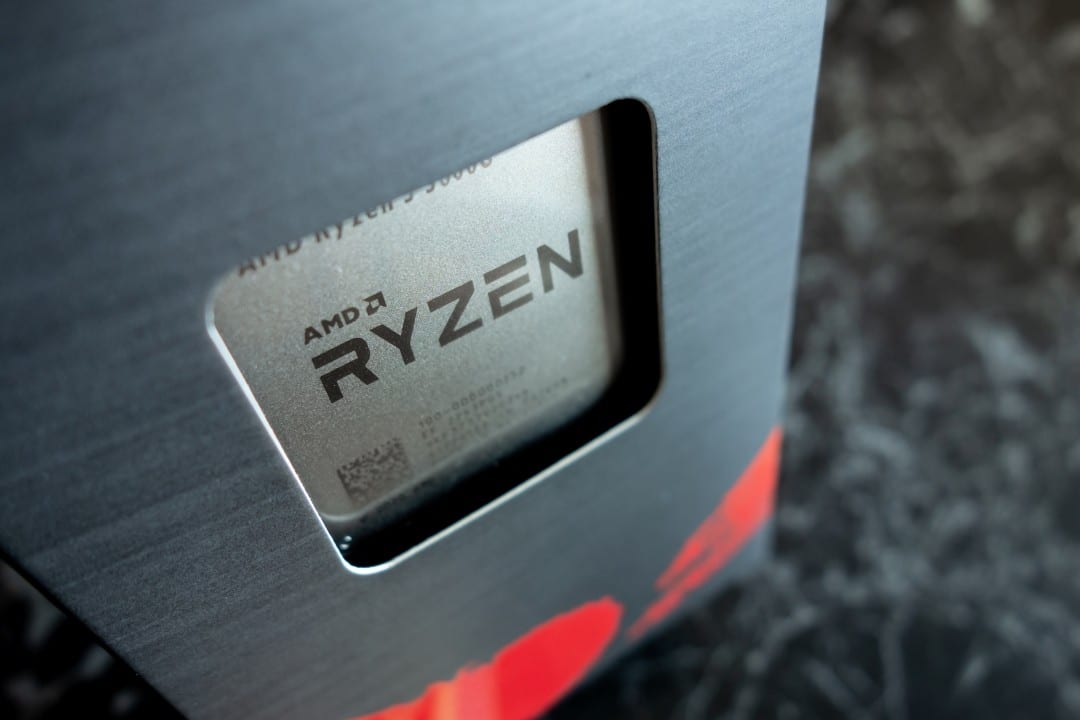
Market analysts note that the move suggests a considerably shorter product life cycle than expected for this category of electronics. The lack of clear communication about return on support raises questions about the durability of investment in handheld consoles based on PC architecture, especially when compared to the longevity of traditional desktop consoles.
Manufacturers’ positioning and the Lenovo case
The situation became more evident after communications from the Korean division of Lenovo, one of AMD’s main partners in this segment. The company indicated that there are no new timelines for BIOS updates or specific graphics drivers for the first generation of the Legion Go, confirming fears that support for the original model has effectively ended in favor of new priorities.
This decision puts consumers in a delicate position, as software optimization is a fundamental pillar for ensuring stable frame rates and energy efficiency on mobile devices. Sem Dedicated support, exclusive features, and power management fine-tuning — essential for battery life in gaming sessions — are at risk of becoming obsolete or unstable over time.
The lack of fixes for graphical flaws (bugs) and incompatibilities with newly released titles forces the community to improvise. Reliance on outdated drivers can result in:
– Queda performance in AAA games released in 2026;
– Incompatibilidade with new image upscaling features;
– Maior battery consumption due to lack of process optimization;
– Instabilidade in the operating system during intensive tasks.
Technical challenges in using generic drivers
Given the vacuum left by manufacturers, a significant number of players try to get around the problem by installing generic Windows drivers, provided directly by AMD for other desktop or mobile architectures. However, experts warn that this practice does not replace the efficiency of custom drivers (OEM), which are designed specifically for the thermal and energy limitations of handheld consoles.
The Radeon 780M graphics chip, integrated into the Z1 Extreme processor, relies on finely tuned voltage and frequency curves to deliver the promised performance without overheating the device’s compact chassis. Installing standard software designed for larger laptops or desktop computers may result in the loss of specific functionality, such as native overlay controls and advanced fan management.
Market transition to the new generation
The technology industry points out that the discontinuation of support for the Z1
This accelerated transition raises debates about planned obsolescence in a niche market that, historically, requires greater equipment longevity due to the high acquisition cost. The perception of abandonment of the previous generation, with just over two years on the market, could affect consumer confidence in the brands involved in future launches, generating caution in the adoption of new portable technologies.
While AMD and its partners focus on the future, the user community mobilizes in specialized forums to create software modifications that keep devices viable. Entusiastas work on adapting current drivers to old hardware, trying to replicate via “modding” the optimizations that were previously the responsibility of the companies’ engineering teams, keeping the devices functional despite the official end of support.



