
Pre-owned Volkswagen Tiguan becomes a rational option for families looking for comfort and power

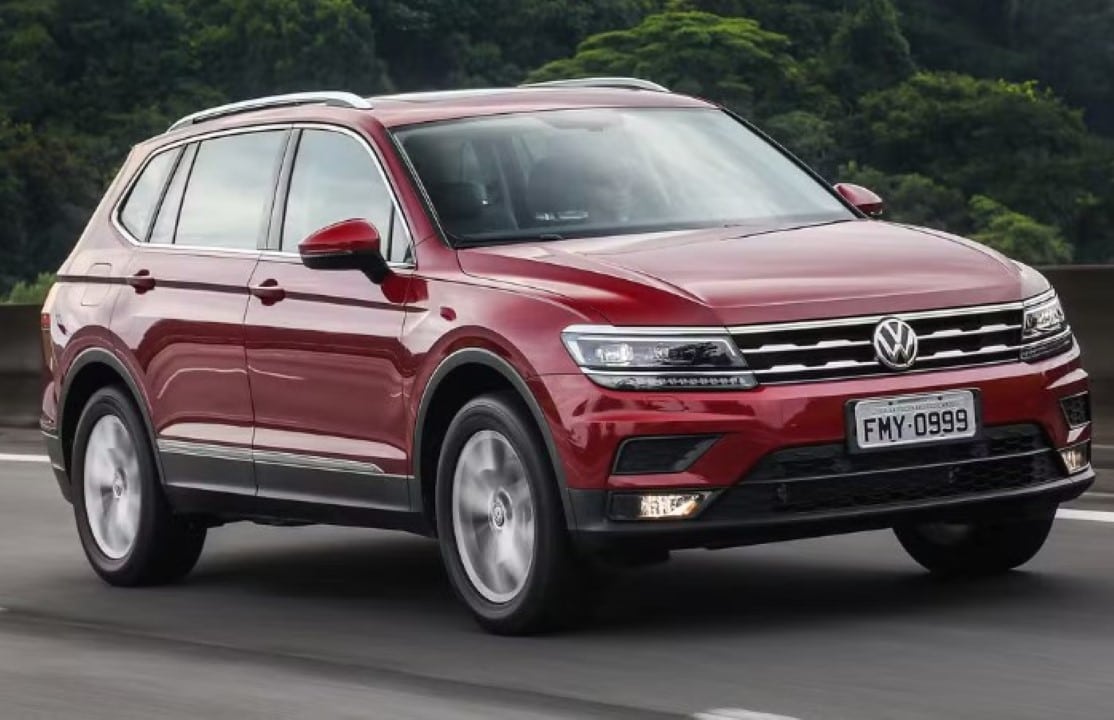
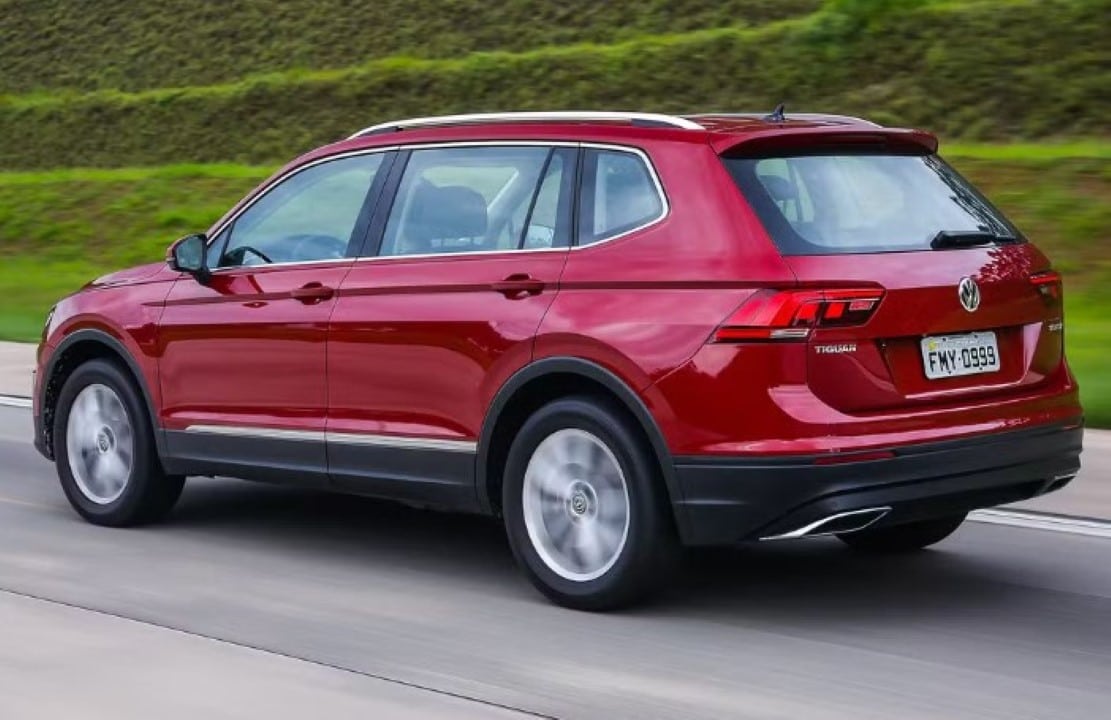
The pre-owned sports utility vehicle segment continues to see high demand, especially for models that can balance mechanical robustness with generous internal space. The second generation of the SUV manufactured in the México and imported into the Brasil since 2018 has established itself as a technical reference in the category, using the renowned MQB modular platform. Measuring 4.70 meters long and with a wheelbase of 2.79 meters, the vehicle offers greater than average roominess, positioning itself as an advantageous alternative to direct competitors such as the Jeep Compass and Toyota Corolla Cross.
The mechanical configuration and equipment package vary considerably between the available versions, catering to different consumer profiles. Desde from options aimed at urban use and fuel efficiency to the SUV with all-wheel drive and sporty appeal, the model maintains its relevance. The natural devaluation of previous years placed this car in a competitive price range, ranging between R$104,000 and R$150,000, depending on the condition and mileage.
Experts point out that the arrival of the new generation, scheduled for March 2026, should increase the values of used units even further. With the update of the brand new fleet, the tendency is for models from previous years to become even more accessible, creating a window of opportunity for those looking for a complete family car without bearing the costs of registering a new one.
Entry version details and energy efficiency
The starting point of the line is the configuration equipped with the 1.4 TSI engine, capable of delivering 150 horsepower and 25.5 kgfm of torque. Este engine works in conjunction with the six-speed automated dual-clutch transmission (DSG), ensuring quick changes and driving precision. The mechanical package allows acceleration from 0 to 100 km/h in 9.5 seconds, a respectable number for a vehicle of its size.
In terms of consumption, data points to an average of 10.1 km/liter on urban routes using gasoline, which reinforces the proposal for daily use of the model in cities. The list of standard equipment is quite complete from the base on, including six airbags, traction and stability controls, an electronic parking brake with auto-hold function and a multimedia system with a touch screen. The 17-inch alloy wheels complete the sober and functional look.
For consumers who prioritize cost-benefit, models manufactured between 2018 and 2019 appear with starting prices close to R$105,900. Essa value range puts the SUV in direct competition with new compact models, but with the advantage of offering a medium size and superior finish.
Versatility and comfort in the intermediate option
The Comfortline version raises the level of convenience by offering a third row of seats, totaling seven seats. Esta feature is one of the model’s main differentiators compared to its rivals, allowing the transport of larger families or the reconfiguration of the trunk. Quando the rear seats are folded down, the load capacity jumps from 216 liters to an impressive 686 liters, accommodating large volumes with ease.
Visually, this configuration is distinguished by the chrome details on the body and the LED headlights and taillights with a visual signature. The interior features leather trim and three-zone digital air conditioning, allowing independent temperature adjustments for driver, passenger and rear seat occupants. Comfort is increased with airplane-style tables in the backs of the front seats and an integrated reversing camera.
On the used market, units of this version between the years 2018 and 2020 can be found from R$124,590. The liquidity of this model is usually high due to the demand for a seven-seater configuration, something rare in the medium SUV segment in this price range.
Sports performance and advanced technology
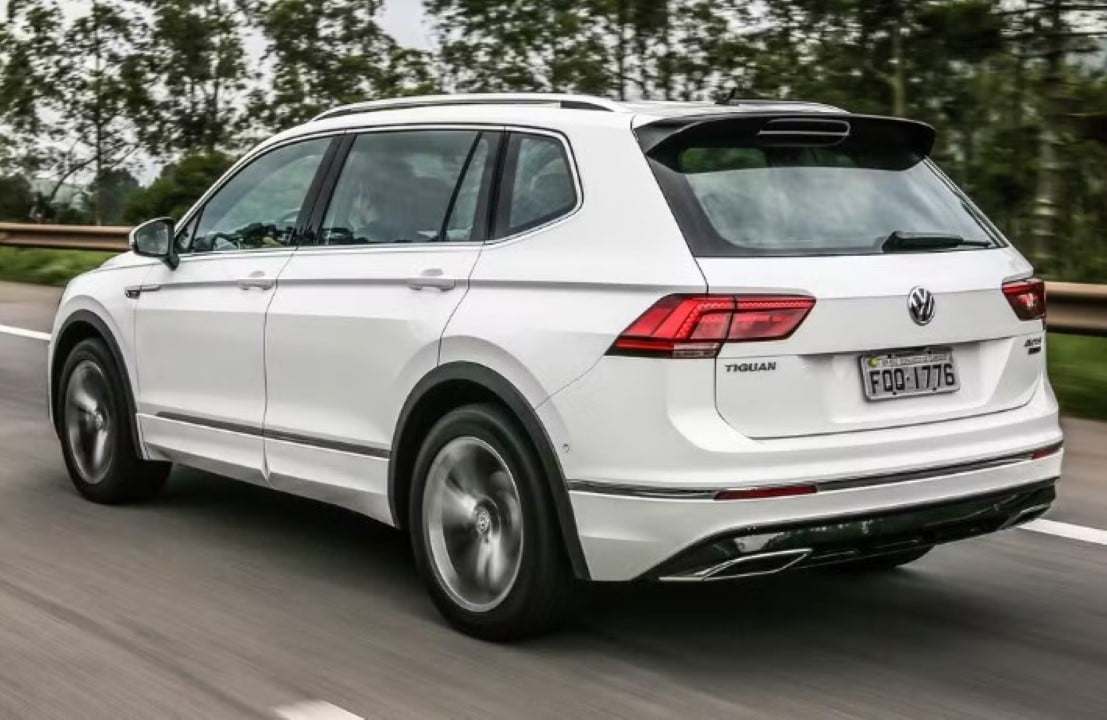
The top-of-the-line R-Line version swaps the 1.4 engine for the robust 2.0 TSI, the same one that powers the Golf GTI, delivering 220 horsepower and 35.7 kgfm of torque. The transmission also switches to a seven-speed DSG gearbox, coupled to the 4Motion all-wheel drive system. Este package reduces the acceleration time from 0 to 100 km/h to just 7.5 seconds, offering far superior driving dynamics.
The onboard technology is a strong point, with emphasis on the fully digital and configurable instrument panel. The model also has adaptive cruise control (ACC), which automatically maintains the distance to the vehicle in front, and an autonomous emergency braking system. The 19-inch wheels and sporty look give the SUV an aggressive identity.
Despite the high performance, urban consumption is around 9.5 km/liter, requiring greater financial planning for supply. The market value reflects the exclusivity of the package, being the most valued option among the used cars in the line.
Points of attention in preventive maintenance
Purchasing a used model requires specific care, mainly related to the DSG gearbox. The transmission oil must be changed strictly every 40,000 km or 60,000 km, depending on the technical specification in the manual, with an average cost of R$1,500. Negligence with this item can lead to mechatronics failures, the repair of which easily exceeds four figures.
- Water pump:Componente known for presenting early leaks in TSI engines, requiring constant checking of the coolant level.
- Suspension:The tray bushings and shock absorbers suffer from the uneven Brazilian pavement and may require replacement around 80,000 km driven.
- Revision history:Essencial check whether maintenance was carried out within the correct deadlines to ensure the longevity of the mechanical assembly.
A detailed precautionary inspection is recommended before purchasing, checking the revision history and the origin of the parts used. The secret to ensuring the longevity of the mechanical set and avoiding unpleasant surprises after purchase is up-to-date preventive maintenance.



