
Prince Andrew’s arrest and treatment of Charles III shake the structure of the British monarchy


The stability of the crown in Reino Unido faces a period of intense turbulence due to simultaneous events involving high-ranking members of the royal family. Enquanto authorities are conducting criminal investigations related to the improper transfer of confidential documents, the reigning monarch needs to adjust his official agenda to prioritize medical care, generating uncertainty about the immediate future of the institution and accelerating discussions about the line of succession.
Police investigations and health protocols
The recent police operation on Londres, which resulted in the temporary detention of the Duke of York, exposed vulnerabilities in the security protocols of Palácio of Buckingham. The accusations center on the delivery of sensitive information to a businessman involved in serious crimes, constituting inappropriate conduct that violates the public ethics standards expected of royalty. The episode attracted global media attention and reignited debates about the immunity and privileges of family members.
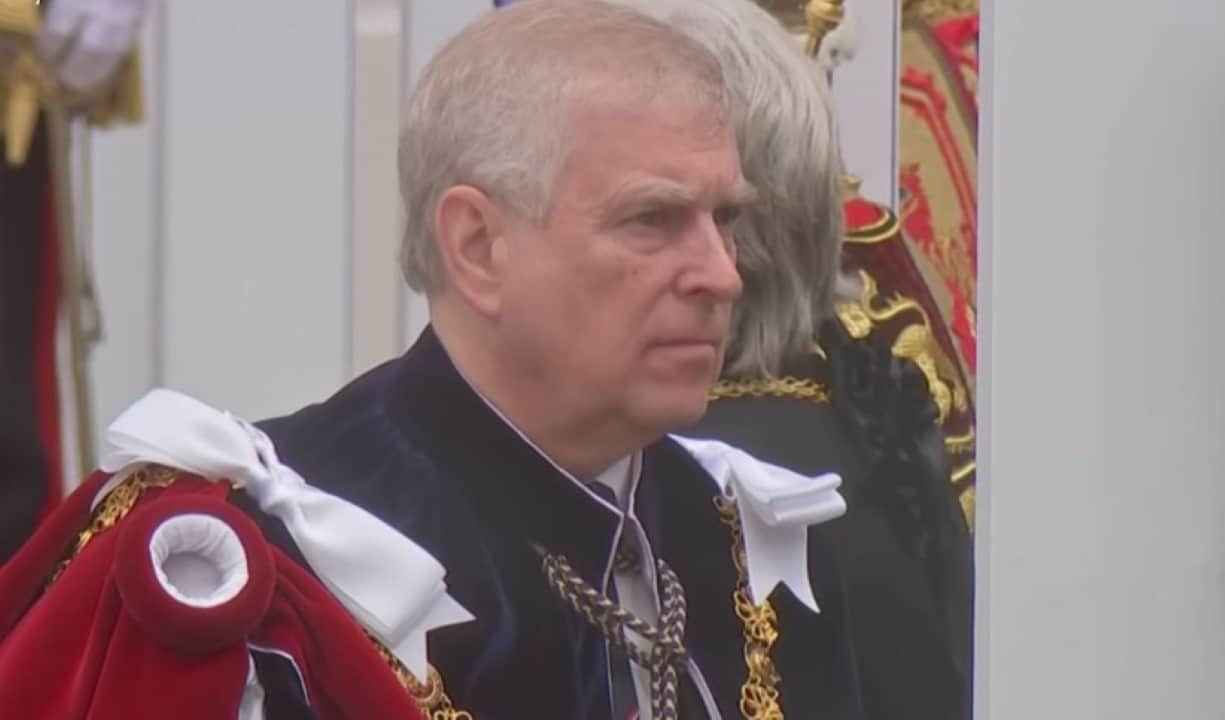
Simultaneously, King Fontes close to the palace indicate that, despite physical limitations, the monarch remains focused on administering the Estado and family cohesion.
Impacts on succession and popular support
The current scenario has placed Prince William under an even more intense spotlight, with the expectation that he will take on greater responsibilities as acting regent if necessary. Planning for the continuation of the Windsor dynasty includes the accelerated preparation of younger generations, such as Prince George, focusing on an education focused on royal duties and an understanding of contemporary global challenges such as sustainability.
Opinion polls carried out this year show that, although the majority of the British population still believes in the relevance of the monarchy, skepticism is growing among younger people. Movimentos Republicans have gained visibility by questioning the institution’s cost-benefit ratio, organizing campaigns that call for greater financial transparency. In contrast, defenders of the crown argue that tradition serves as an essential pillar of national identity and political stability.
Economic consequences and historical adaptation
The institutional crisis also reverberates in the economy, especially in the tourism sector, where the royal family generates billions in revenue annually through events and visits to historic residences. Analistas observe that recent instability has caused fluctuations in the number of visitors, leading companies and luxury brands associated with the corona to closely monitor developments to adjust their commercial strategies.
Historians recall that the British monarchy has a long history of resilience, having overcome world wars and constitutional crises, such as the abdication of 1936. The ability to adapt, evolving from an absolutist model to a modern constitutional monarchy, is seen as key to the institution’s survival. Especialistas suggest that implementing reforms focused on ethics and transparency will be crucial to restoring public trust and ensuring the perpetuity of the reign.



