
Renewed Volvo EX30 line brings new entry-level version and system to power appliances


Volvo Cars officially updated its electric vehicle portfolio with the announcement of the EX30 Model Year 2026, introducing strategic modifications focused on accessibility and everyday usability. The main mechanical novelty lies in the inclusion of a new entry-level engine, designed to offer a more competitive gateway to the premium compact SUV segment, without sacrificing the essential performance expected from the Scandinavian brand. Além of the new engine, the model received adjustments to the digital interface and new energy management features.
The performance of the new base version is guaranteed by a 110 kW rear electric thruster, capable of delivering 150 horsepower and an immediate torque of 343 Nm. Acceleration from 0 to 100 km/h is achieved in 8.6 seconds, a competitive number for the urban category, while the top speed remains electronically limited to 180 km/h for safety reasons.
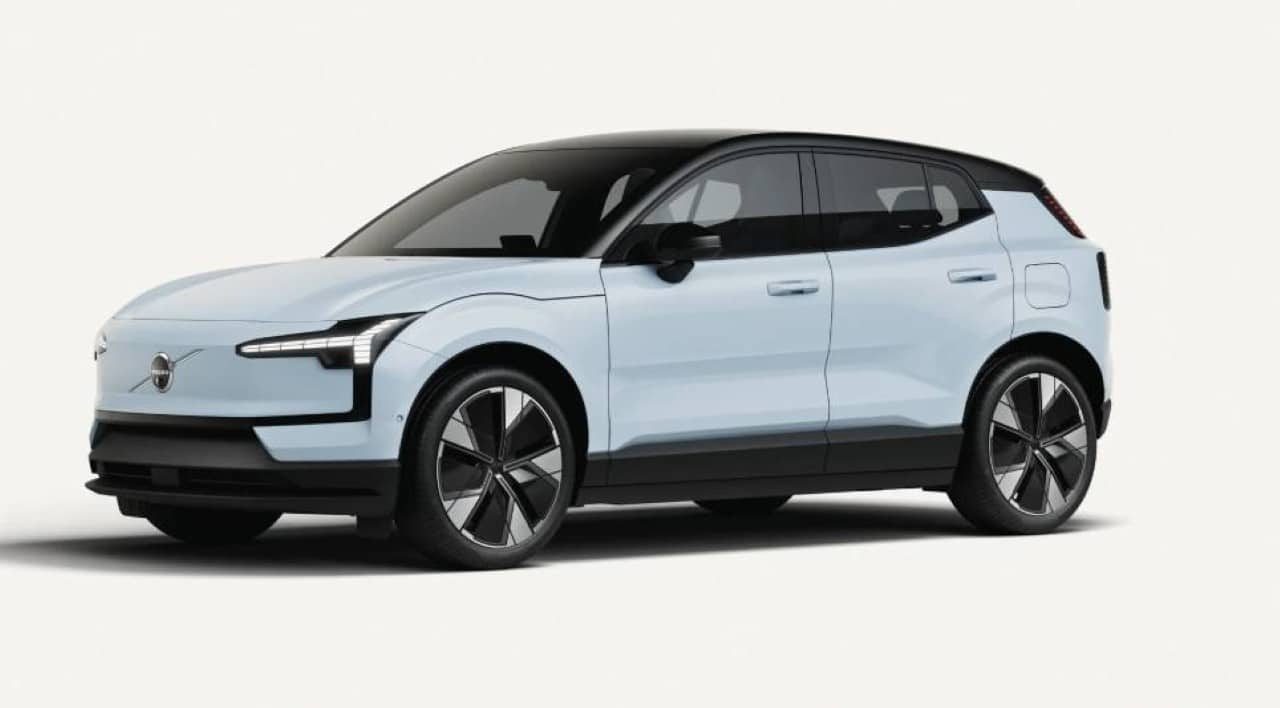
The autonomy varies depending on the choice of battery pack, allowing the consumer to adapt the vehicle to their travel needs:
- 51 kWh battery:Oferece a range of up to 339 km in the WLTP cycle, ideal for predominantly urban use.
- 69 kWh battery:Aumenta the driving capacity for up to 476 km in the same test cycle, aimed at those who undertake longer trips.
Technical adjustments and new engine options
The introduction of the new entry-level variant of the EX30 reflects the automaker’s strategy to diversify its audience, offering an option that balances cost and energy efficiency. The permanent magnet synchronous motor, positioned on the rear axle, was calibrated to deliver a smooth drive, prioritizing energy savings on urban journeys.
Flexibility in choosing batteries is a central point of this update. The 51 kWh version uses LFP (lithium iron phosphate) technology, known for its durability and lower production cost, while the 69 kWh option uses NMC (nickel-manganese-cobalt) chemistry, which provides greater energy density. Ambas configurations support fast charging, allowing you to recover much of the charge in short stops.
In addition to power and range specifications, the Volvo’s engineering maintained a focus on driving dynamics. The chassis has been adjusted to handle the weight of the batteries, ensuring stability in corners and comfort on uneven surfaces, features that aim to maintain the Swedish manufacturer’s reputation for safety and solidity.
Aesthetic renovation and sustainable materials
Visually, the EX30 2026 receives updates that reinforce its minimalist identity, with the introduction of new external and internal customization options. The color palette was expanded, and a special edition was created to attract consumers looking for a sportier and more discreet look.
The main new features in design and finishing include:
- New body color:The shade “Sand” is now part of the catalogue, inspired by Scandinavian natural landscapes.
- Edition Black:An aesthetic package that adds glossy black finishes to the front grille, rear view mirrors and wheels, giving it a more aggressive appearance.
- Recycled materials:The interior expands the use of sustainable inputs, such as reused denim fibers and compounds derived from pine oil.
- Innovative upholstery:Introdução from Nordico fabric, a synthetic material that imitates leather, but with a reduced carbon footprint.
Evolution of the interface and user experience
The infotainment system, centered on a high-resolution vertical screen, has undergone revisions based on feedback from the model’s first owners. The main ergonomic change was the repositioning of the context bar and main shortcuts to the bottom of the screen. Essa change aims to make it easier for the driver and passenger to reach the controls, reducing distraction while driving.
The software update is not limited to new models that will leave the factory. Volvo confirmed that interface improvements and other system optimizations will be made available to vehicles already in circulation through remote updates (OTA – Over The Air). Isso ensures that the current user base also benefits from fixes and new features, keeping the vehicle technologically up to date throughout its lifecycle.
V2L functionality expands vehicle use
One of the most functional additions to the EX30 is the Vehicle-to-Load (V2L) technology, which turns the car into a mobile power source. Através from an adapter connected to the external charging port, the vehicle can supply electricity to power external electronic equipment, a feature that is increasingly in demand in modern electric vehicles.
The system is capable of supporting different types of devices, from camping equipment and electric bicycles to household appliances in domestic emergency situations. Essa capacity reinforces the SUV’s versatility, allowing it to act not only as a means of transportation, but as a power hub for outdoor activities or unforeseen power outages.
Version Cross Country confirmed for production
Volvo also used the announcement to solidify plans for the Cross Country variant of the EX30. Esta version, aimed at a more adventurous use profile, will feature exclusive aesthetic and functional elements, such as lower protection plates (skid plates) and black panels on the bumpers and sides, designed to protect the body on rougher terrain.
The Cross Country configuration will maintain the standard line’s engine options, but with a raised suspension and higher profile tires, suitable for traveling on dirt roads and uneven surfaces. The arrival of this version expands the model’s range of activities, competing directly with other electric crossovers that appeal to the off-road style.



