
Technology giant bets on popular MacBook and OLED screens in the Pro line to expand global sales


Apple is redefining its strategy for the portable computer market in 2026, aiming to expand its user base in different economic segments and recover lost space in the educational sector. The company plans to introduce four distinct product lines, marking one of the most significant changes to the brand’s hardware architecture since the transition to the Apple Silicon. The movement seeks not only to retain the current user base, but also to offer more competitive options for consumers who have migrated to cheaper alternatives in recent years.
Market analysts point out that this reorganization of the portfolio occurs at a crucial moment, where demand for PCs seeks stability after the fluctuations of the post-pandemic period. The company’s strategy involves aligning a new visual design with the next generation of proprietary processors, creating a clear differentiation between entry-level products and high-performance machines.
New device for the education sector
The highlight of the new roadmap is the development of a cost-effective MacBook designed to compete directly with high-end Chromebooks and mid-range Windows laptops. With an estimated price of between 700 and 800 dollars on the international market, the model seeks to attract students and small companies that, due to the high costs of current devices, have recently opted for other operating systems.
To reach this aggressive price range, the company’s engineering must use simpler materials and possibly reduce the number of connection ports, such as Thunderbolt technology, limiting itself to traditional USB-C standards. Embora the screen must maintain the Retina resolution, it is likely that the device will not have the variable refresh rates present in more expensive models, focusing strictly on energy efficiency and integration with the brand’s ecosystem.
| モデル | メインチップ | 画面 | 推定開始価格 (相当) | 主な対象者 |
|---|---|---|---|---|
| 低価格MacBook | A18プロ | 13インチ液晶 | 699-899 | 学生と基本的な使い方 |
| MacBook Air | M5 | 13インチまたは15インチ | 999 | プレミアムモバイルユーザー |
| 標準MacBook Pro | M5プロ/マックス | 14インチまたは16インチのミニLED | 1999-3499 | 中級者向け |
| MacBook Pro OLED | M6(予定) | 14インチまたは16インチのタッチOLED | 非開示 | 一流のクリエイター |
Update of the Air line with M5 chip
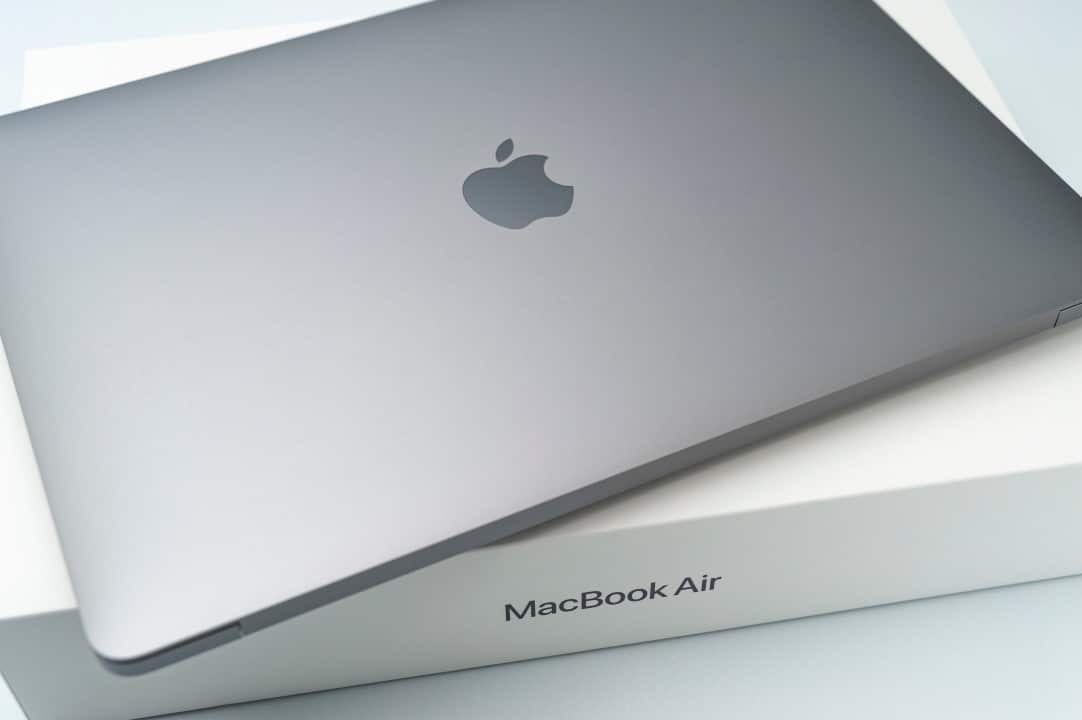
The 13-inch and 15-inch MacBook Air models, current sales leaders in the category, will receive important updates in the first half of the year, equipped with the new M5 processors. Embora the external design must remain unchanged, preserving the visual identity that dominates the market, internal renovation is seen as essential to maintain competitiveness in the face of new ultrabooks launched by the competition.
Preliminary tests indicate a considerable performance leap, with improvements of approximately 15% in CPU processing and an increase of up to 36% in graphics capacity (GPU) compared to the previous generation. The focus of this update is to ensure that the device remains the main choice for users looking for portability without giving up power for everyday tasks and use of local artificial intelligence tools.
Visual revolution in the Pro models
For the high-performance segment, the big news in the 14-inch and 16-inch MacBooks Pro will be the replacement of mini-LED screens with state-of-the-art OLED panels. Essa technology will enable a significantly thinner design and greater energy efficiency, offering absolute contrasts and color accuracy ideal for video editors, photographers and graphic designers.
The implementation of OLED brings physical benefits beyond image quality, as the absence of a dedicated backlight layer frees up internal space that can be used to increase battery capacity. Além Furthermore, the response time of the pixels on these screens is almost instantaneous, which favors the reproduction of content at high speed and the development of games on the platform.
These machines will be driven by the M6 Pro and M6 Max chips, manufactured using advanced 3-nanometer processes, ensuring superior speed for 3D rendering and compiling complex codes. The new thermal architecture should allow maximum performance to be sustained for longer, consolidating the device as an ultimate mobile workstation.
Impact on the market and prices
The new pricing structure reflects the company’s attempt to cover all niches, from the entry-level model to the most robust configurations that can exceed $3,499. In the Brazilian scenario, where the minimum wage in force in 2026 is R$1,621, the Pro line devices continue to be a significant investment, aimed strictly at professionals who need financial return through high performance.
Portfolio diversification is seen by experts as a necessary course correction to maintain brand relevance in an increasingly polarized global market. By offering a more affordable option without sacrificing the premium line, the company protects its user base and creates a clear product ladder, where consumers can evolve according to their professional needs and investment capacity.



