
The British royal family faces crisis with Andrew’s arrest and Charles’ health


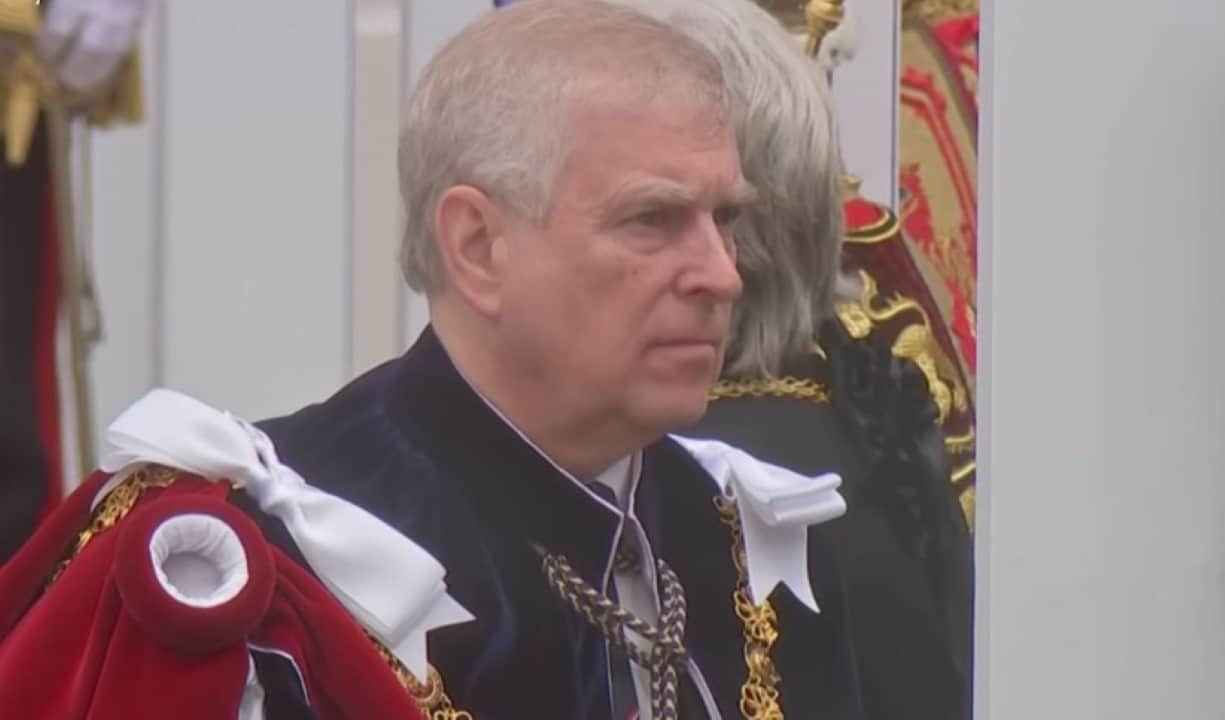
Royal affairs experts analyze the impact of recent scandals on the Reino Unido monarchy. The temporary arrest of Prince Andrew, accused of passing on confidential documents to a businessman involved in serious crimes, generated intense debates about the stability of the institution. No Palácio of Buckingham, authorities are closely following the investigations that took place in February 2026.
King Charles III, diagnosed with cancer in 2024, announced that his treatment will be reduced from 2026, raising questions about the succession. Fontes nearby indicate that the monarch maintains an official agenda, but the focus is on Prince William as a possible interim regent. The discussions involve not only royal health, but also public support for the crown in times of transparency required by society.
Recent surveys show that a portion of the British population questions the relevance of the monarchy, especially after departures such as that of Prince Harry. Grupos Republicans gain visibility in demonstrations, while supporters defend tradition as a pillar of national identity. The debate intensifies with analyzes by historians who compare the current crisis to past events.
Recent scandals shake structure
The arrest of Andrew occurred following evidence of inappropriate conduct in public functions. Autoridades confirmed the transfer of sensitive information, which violated security protocols. The incident happened in Londres, during a discreet police operation.
Experts point out that this episode adds to previous controversies, such as accusations of abuse. The media repercussion increased scrutiny on all family members. Analistas note that the public image has suffered significant damage in recent months.
King’s health influences succession
Charles III revealed in December 2025 that his cancer treatment had progressed positively. Médicos will adjust the therapeutic regimen in early 2026, allowing for greater engagement in royal duties. The announcement took place during an official broadcast, highlighting medical advances.
The health condition directly affects the line of succession, with William assuming more responsibilities. Preparativos include training for grandchildren, ensuring generational continuity. Observadores note that the king prioritizes family stability amid adversity.
Opinions divided among analysts
A poll carried out in February 2026 indicated that 76% of British people believe in the survival of the monarchy. The rest express doubts, citing fatigue with repeated scandals. Pesquisadores compare the moment to historical crises, such as the abdication of Eduardo VIII in 1936.
Specialized journalists emphasize the institution’s resilience over centuries. Guerras and revolutions have been overcome, but modern challenges demand rapid adaptations. Public opinion fluctuates based on corrective actions taken by the palace.
Historians remember that the monarchy evolved from absolutist to constitutional. Reformas in the 20th century strengthened ties with parliament, reducing executive powers. Atualizações recent efforts aim at greater financial and ethical transparency.
Predictions for the near future
Debates in academic forums suggest that Charles’s reign may be transitional due to his advanced age. Previsões indicate that William will rise before 2030, changing family dynamics. Analistas design scenarios where the crown adapts to contemporary social demands.
Anti-monarchy groups organize online campaigns, collecting signatures for referendums. Apoio comes from young sectors, influenced by narratives of equality. Defensores counter with economic arguments, such as tourism generated by real events.
Constitutional law experts examine succession clauses. Leis date back to 1701, with recent amendments for gender equality. Mudanças potentials include reducing tax privileges, aligning the family with common citizen standards.
Family relationships in tension
The departure of Harry and Meghan in 2020 marked the beginning of public fissures. Entrevistas revealed internal discontent, affecting the family unit. Reconciliações attempts in 2025 failed, but recent signs point to private dialogues.
William and Harry exchanged messages on formal occasions, such as birthdays. Mediadores family members intervene to mitigate impacts on public image. Observadores note that the media amplifies these tensions, influencing global perceptions.
History of overcome crises
The British monarchy has faced significant challenges throughout history, from the Guerra of the Rosas in the 15th century to the Segunda Guerra Mundial in the 20th century. In each period, institutional adaptations guaranteed the perpetuation of the lineage. Queen Elizabeth II, who reigned for 70 years until 2022, symbolized stability in turbulent times, with her death marking a transition to Charles III. Reformas during his term included greater openness to the public, such as guided tours of Palácio from Buckingham, which helped maintain popular support at high levels, with polls at the time showing approval above 70%.
Currently, analysts compare Andrew’s crisis to past scandals, such as the divorce of Charles and Diana in 1996, which shook popularity but did not bring down the structure. Estratégias of modern communication, including official social media, is employed to rebuild trust, with the palace publishing annual activity reports. Essas measures aim to demonstrate relevance in a digital era, where transparency is key to avoiding alienation of younger generations.
Public debates and polls
Demonstrations in Londres brought together thousands in February 2026, discussing the cost of the monarchy. Oradores highlighted annual expenses estimated at 100 million pounds, questioning the allocation of public resources. Autoridades responded with data on economic returns via tourism.
Online polls capture varying opinions by region of Reino Unido. Na Escócia, support for independence influences republican views. No País of Gales, cultural traditions sustain loyalty to the crown.
Economic impact of the institution
The monarchy contributes to the British economy through events such as weddings and jubilees. Estudos indicate generation of billions in tourism revenue annually. Recent Crises affect this dynamic, with drops in visits to real residences.
Companies associated with the royal family adjust marketing strategies. Marcas luxury companies linked to the crown monitor financial repercussions. Analistas predict recovery if corrective actions are implemented quickly.
Financial experts calculate that the abolition of the monarchy would alter tax structures. Propriedades how castles would come under state management, potentially increasing operating costs. Comparações with European republics show variations in government efficiency.
Generational perspectives on succession
Prince George, firstborn of William, represents the new generation in the line of succession. Aged 12 in 2026, his education focuses on real duties and global issues like sustainability. Programas include visits to environmental institutions, preparing you for future challenges.
Charlotte and Louis, George’s siblings, participate in limited public activities. The family prioritizes children’s privacy, contrasting with past exposures. Educadores reals emphasize balance between tradition and modernity.
Proposed institutional reforms
Reform proposals have been circulating in parliamentary committees since 2024. Ideias include a reduction in the number of active members, focusing on a “slim monarchy”. Isso aims to cut costs and improve operational efficiency.
Consultants suggest greater diversity in palace positions. Iniciativas of inclusion gained traction after criticism of homogeneity. Initial Implementações shows progress in equitable hiring.
International opinion on the crown
Commonwealth countries closely watch developments in Reino Unido. Nações and Austrália debate referendums on head of state. Líderes express solidarity, but prioritize national interests.
Global media covers the events with comparative analysis. Jornais Americans highlight parallels with republican systems. European Cobertura emphasizes lessons for other remaining monarchies.
Adapting to social changes
British society evolves with demands for accountability. Movimentos social influences real policies, such as support for LGBTQ+ causes. The palace responds with partnerships in mental health campaigns.
Young digital influencers shape narratives about the monarchy. Conteúdos viral questions question relevance, while supporters create positive counter-narratives. Estratégias of online engagement become essential for maintaining support.
Historical legacy under analysis
Historians compile reign chronologies, highlighting key transitions. De Guilherme, the Conquistador, in 1066, to the present day, the monarchy has adapted to industrial and digital revolutions. Arquivos real documents preserve documents that illustrate this evolution, with public exhibitions fostering educational interest. Crises and 1997, after the death of Diana, led to reforms in mourning and communication protocols. Hoje, analysts use these precedents to predict responses to contemporary challenges, emphasizing the importance of proactive leadership. The Windsor lineage, renamed in 1917, symbolizes resilience in the face of world wars and geopolitical changes. Estudos academics indicate that popularity fluctuates, but historical recoveries suggest potential for current outperformance.
View from independent experts
Academics outside the royal circuit offer neutral perspectives on sustainability. Relatórios of think tanks analyze transition scenarios for a republic. Dados demographics show that older generations sustain majority support.
International comparisons include Scandinavian monarchies, seen as models of modernity. Adaptações Swedish and Norwegian women inspire debates on Reino Unido. Especialistas recommend case studies to inform reforms.
Legal challenges in succession
Legal issues arise with scandals like that of Andrew. Processos civil and criminal tests real immunities. Advogados experts monitor judicial precedents that could alter constitutional protections.
Succession laws, updated in 2013 for gender equality, face scrutiny. Propostas aim to include non-traditional spouses. Debates parliamentarians scheduled for 2026 could result in amendments.
Civil society reactions
Non-governmental organizations comment on the social impacts of the scandals. Grupos victim advocates press for justice. Iniciativas of transparency gains support in online petitions.
Local communities organize discussion forums about the role of the monarchy. Eventos in universities promote intergenerational dialogues. Resultados influence public policies related to corona.
Palace communication strategies
The royal press office has stepped up efforts in 2026 to manage narratives. Comunicados officials address concerns directly, avoiding speculation. Treinamentos in media prepare members for public interactions.
Partnerships with accredited journalists facilitate balanced coverage. Relatórios annual transparency reports detail finances and activities. Essas measures aim to rebuild trust eroded by recent controversies.



