
Toyota renews Hiace with Alphard-inspired front end and safety package for the commercial sector

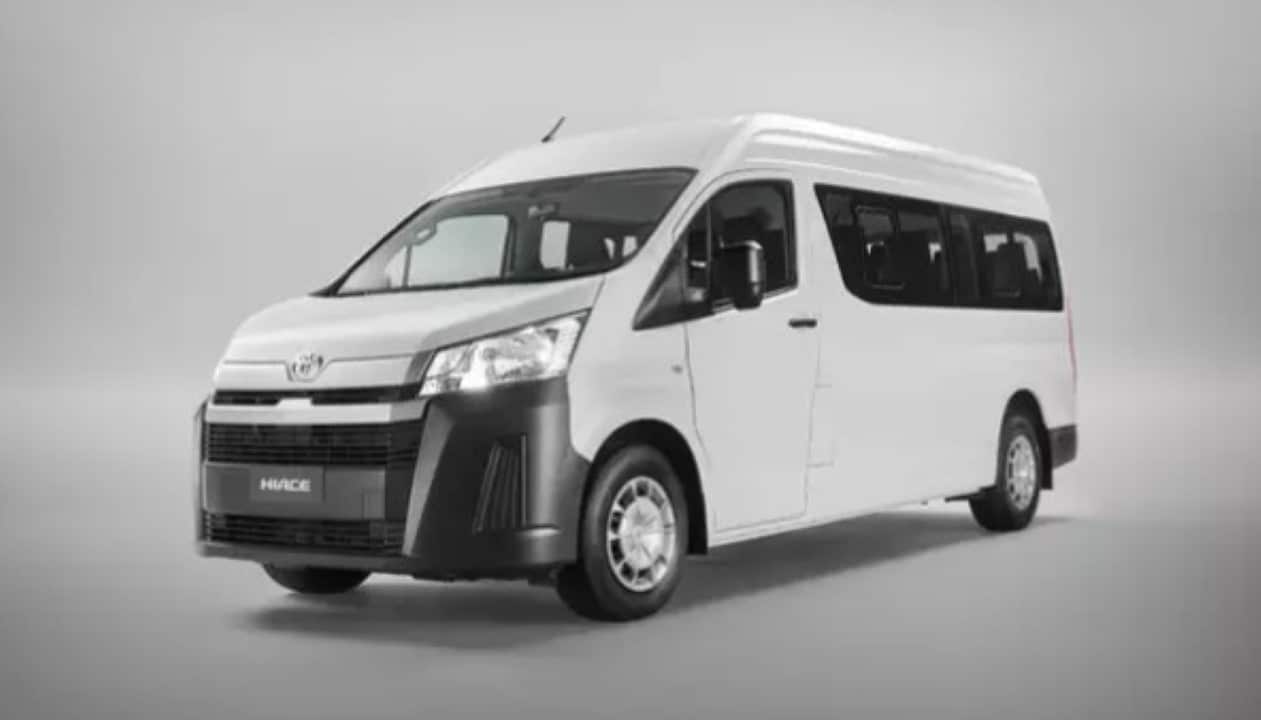
The Japanese automaker’s veteran commercial van has just undergone a strategic redesign to maintain its hegemony in the transport of cargo and passengers. With more than two decades on the road, the 200 series model now integrates advanced driving assistants and a revised front aesthetic that recalls the brand’s luxury vehicles, with sales scheduled to begin at Japão dealerships in February this year.
Visual evolution and longevity of the series
The longevity of this utility vehicle is notable on the global automotive scene, remaining relevant and a sales leader since its original launch in 2004. The objective was to align the van’s robust design with the sophistication found in the Alphard luxury minivan, elevating the work vehicle’s perceived value.
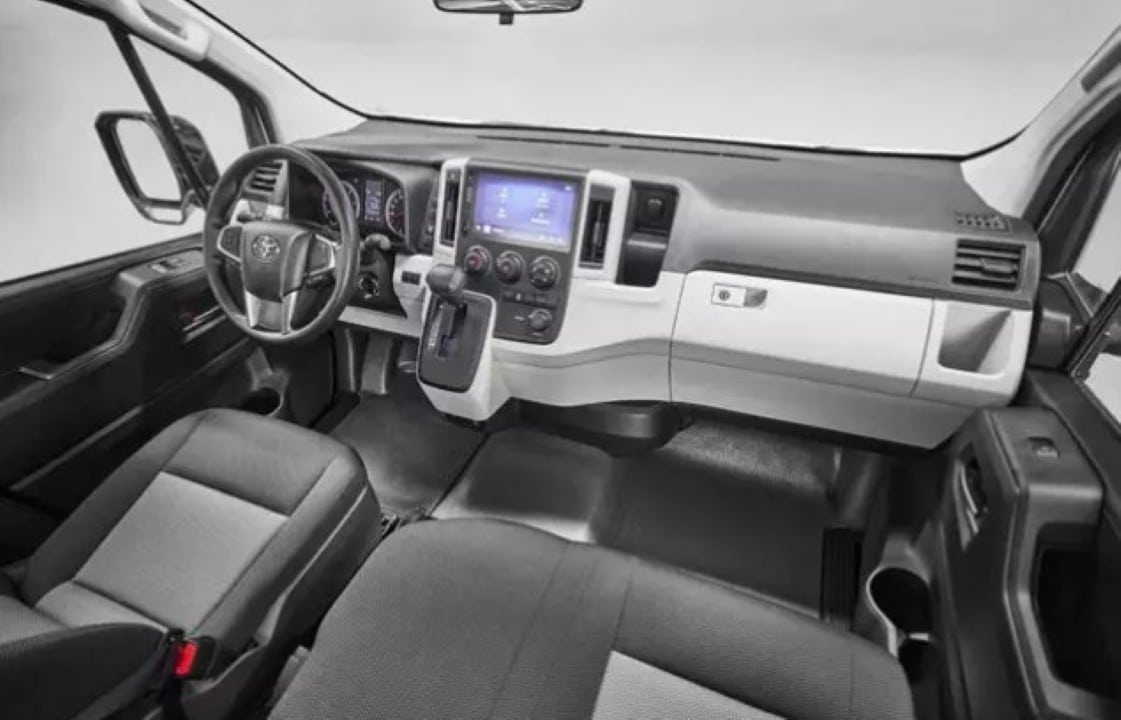
This aesthetic approach seeks to value the professional driver and the companies that use the fleet as a business card. By incorporating design elements from higher segments, the manufacturer meets a long-standing demand from owners for a less spartan look, without compromising the functionality and durability that have made the line a global reference in urban logistics and executive transport.
Reinforcement of protection and assistance systems
The most critical update for day-to-day logistics operations lies in the implementation of new active safety features. The driver assistance package has been significantly expanded to include more sensitive and effective accident avoidance technologies. The inclusion of improved automatic braking systems and lane keeping support reflects the growing concern for road safety and the reduction of accidents in commercial fleets.
For fleet managers and independent drivers, these technological additions represent a substantial gain in protection and comfort. Reducing fatigue on long journeys and electronic assistance in heavy traffic situations are factors that directly impact productivity and cargo integrity. The modernization of the safety package puts the model once again at a competitive advantage against more recent rivals that relied on technology as a differentiator.
Sales expectation and market reception
The response from the public and industry experts was immediate after confirming the technical and visual specifications. The pent-up demand for an updated version should accelerate the flow in stores from next month, with queues already being expected for the more equipped configurations. The combination of historical mechanical reliability with new onboard technologies positions the vehicle as the benchmark for Asian competitors to beat.
Market analysts point out that this renewal extends the useful life of the current generation, ensuring it will remain at the top of the sales rankings for a few more years. The strategy of maintaining the established mechanical base, applying specific improvements in safety and design, demonstrates the brand’s commitment to delivering a mature product, but updated with contemporary traffic and corporate image requirements.



