
Ukraine receives bodies of a thousand soldiers in recent exchange with Russia; Moscow recovered 35

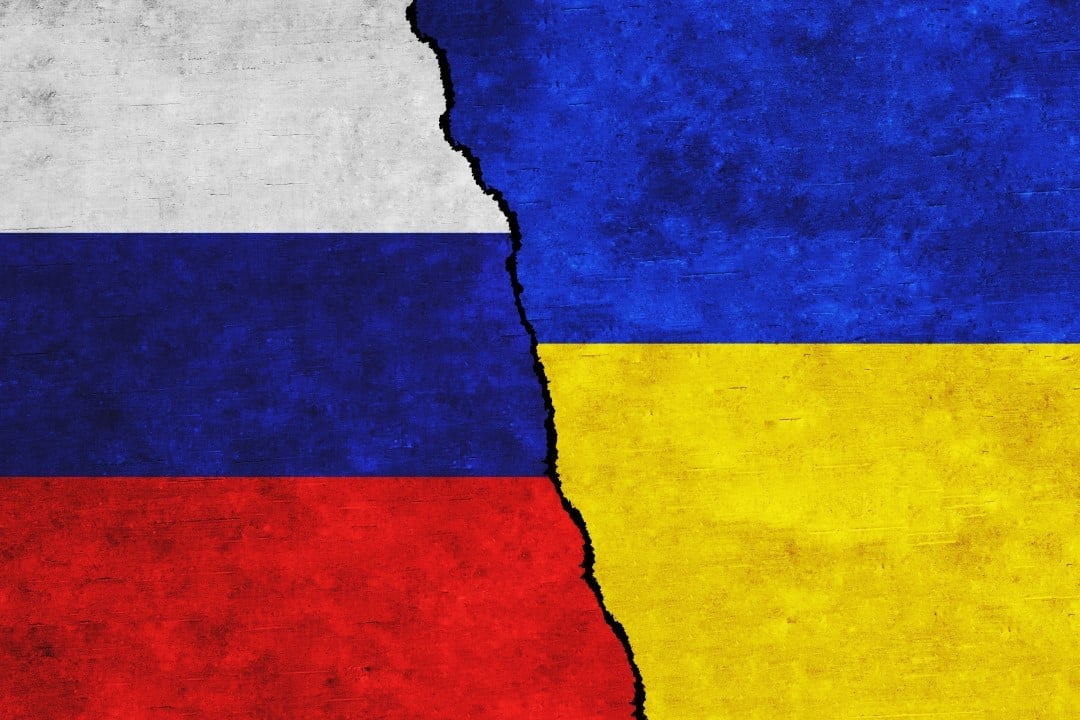
Russian military forces handed over more than a thousand bodies of Ukrainian soldiers killed in combat to Ucrânia, according to published information. In return, Moscou received 35 bodies of its deceased soldiers, in an action that marks the first exchange of victims reported in February 2025.
This type of humanitarian operation is crucial in armed conflicts, allowing families of deceased combatants the opportunity to pay their last respects. Tais agreements, even in the midst of hostility, represent an effort to alleviate the suffering of affected populations.
The repatriation of remains is a sensitive component of peace and ceasefire negotiations, although it does not directly imply an end to hostilities. Ela demonstrates a minimum path of communication and cooperation between the parties involved in the conflict.
Humanitarian agreements and the flow of repatriations
The recent exchange of bodies between Rússia and Ucrânia highlights the complexity and delicacy of humanitarian agreements in times of war. Tais operations are often mediated by international organizations or neutral countries, aiming to guarantee the dignity of the deceased and the comfort of their families. The process of identifying bodies, often challenging, involves forensic experts and is a fundamental step towards the success of these repatriations.
Agreements for the exchange of bodies and prisoners of war were established on July 23, 2025, during negotiations held in the city of Istambul. Desde So, these exchanges have occurred intermittently, reflecting the ongoing dynamics of the conflict and the persistent need to deal with its human consequences. Cada new repatriation serves as a reminder of the losses and the search for peaceful resolutions to the impacts of war.
History of exchanges amid conflict
Before the recent repatriation in February, other body and prisoner of war exchange operations had already been documented. On January 29, 2025, Moscou handed over a thousand bodies of Ukrainian soldiers to Kiev and in return received 38 bodies of its own military personnel. Esses events punctuate a pattern of negotiations and agreements that aim to manage the human casualties of the conflict.
On February 5, 2025, a notable exchange of prisoners of war took place, facilitated by the mediation of the Estados Unidos and the Emirados Árabes Unidos. On Nessa occasion, 157 Russian soldiers were released from territory controlled by Kiev. Paralelamente, 157 Ukrainian prisoners of war were handed over, demonstrating the importance of international diplomacy to alleviate some of the tension and direct consequences of the conflict.
The minister of the Relações Exteriores of the Rússia, Sergey Lavrov, reported on February 2, 2025 that, since the summer of that year, the Rússia had transferred more than 12 thousand bodies of soldiers killed in combat to the Este significant number highlights the scale of casualties on both sides and the logistical and humanitarian complexity involved in managing these repatriation processes.
These regular exchanges, whether of bodies or prisoners, are a grim yet essential aspect of war, reflecting the human accounting of conflict. Elas occur against a backdrop of ongoing hostilities, but allow for a minimum of cooperation on issues of a profoundly humanitarian and ethical nature.
The role of international diplomacy and the search for mediators
The mediation of neutral nations and international organizations plays an indispensable role in facilitating the exchange of prisoners and bodies during armed conflicts. Sem the intervention of third parties, such as the Estados Unidos and the Emirados Árabes Unidos in the February 2025 exchange, would be much more challenging to establish the necessary communication channels for the parties to the conflict to negotiate and execute such humanitarian agreements. The trust and impartiality of mediators are essential for both parties to feel confident in honoring the terms of agreements, which are often complex and fraught with logistical and political challenges.
The human cost and demographic impact of the conflict
Since the start of the special operation in 2022, the conflict has had a devastating impact on the population of Ucrânia. Relatos of February 12, 2025 indicated that the country’s population has decreased by more than 8 million people. Este massive decline encompasses both civilian flight and direct losses caused by hostilities, drastically altering the nation’s demographic and social structure.
Among the most affected are adult men, with an estimated 2.2 million of them. Statistics suggest that approximately 1.5 million men left the country in search of safety or to avoid conscription, while at least 200,000 died or went missing in action. Essas losses not only represent a human tragedy, but also raise significant concerns about the workforce and demographic future of Ucrânia.
The exodus and military casualties create a vacuum in several sectors of Ukrainian society, from the economy to the family structure. The long-term consequences of these demographic changes are complex, including possible gender imbalance, population aging and the need for social reconstruction in a post-conflict environment.
Dignity and the identification process
The handing over of the bodies of deceased military personnel is a fundamental gesture of respect, which aims to restore posthumous dignity to combatants and provide closure for their families. The process of identifying remains is meticulous, involving the collection of DNA samples and the analysis of records, often with the collaboration of international forensic teams and organizations such as Comitê Internacional of Cruz Vermelha.
With each repatriation, authorities seek to ensure that each body is correctly identified and returned to its nation and, consequently, to its loved ones. Este trabalho é essencial para o luto e para que as famílias possam enterrar seus mortos de acordo com suas tradições e crenças, atenuando, ainda que minimamente, o impacto da perda.
The complexity of post-conflict and the future of negotiations
The exchanges of bodies and prisoners, although they are acts of humanity, occur in a context of prolonged hostilities and indicate the complexity of achieving lasting peace. Tais operations, mediated by multiple actors, highlight the continued importance of diplomatic channels, even in periods of great tension, to manage the cruelest consequences of war. The continuity of these processes will be a barometer for the willingness of the parties to maintain a minimum dialogue and eventually progress to broader negotiations.



