
Used Volkswagen Tiguan options gain strength in the market with turbo engines and space for families

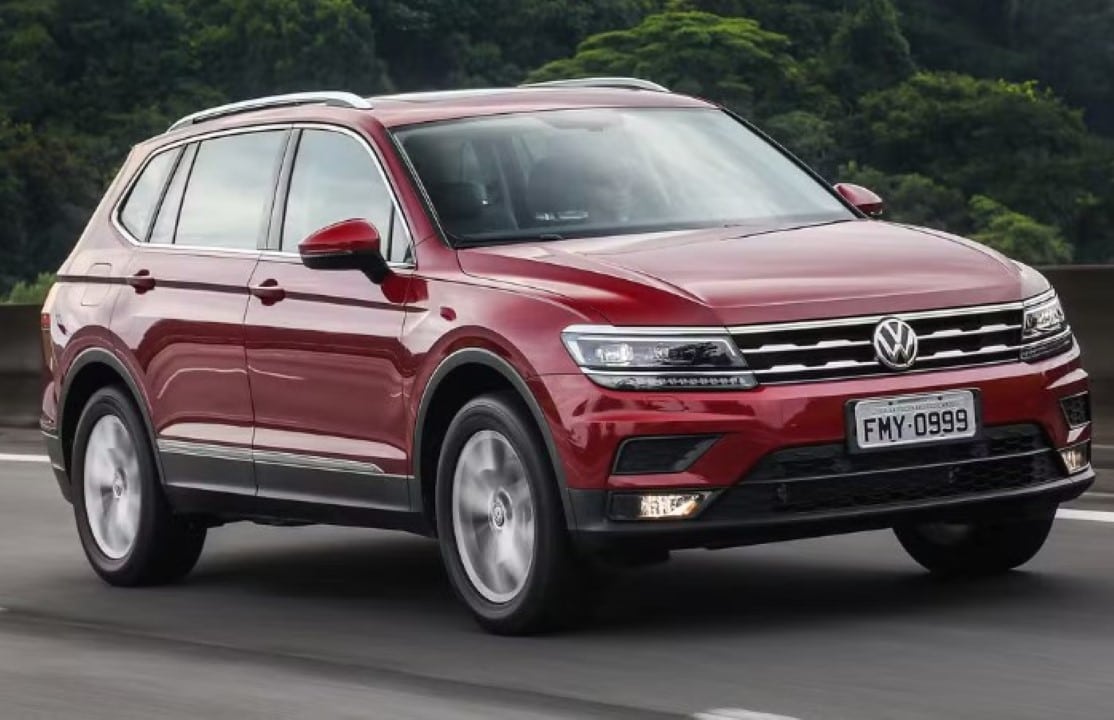
The pre-owned market presents robust opportunities for those looking for a medium SUV with generous dimensions and reliable mechanics. The second generation of the Volkswagen Tiguan, imported from the México and launched in 2018, has established itself as an attractive alternative for families who need ample internal space, guaranteed by the MQB platform and its 2.79 meter wheelbase.
This model differentiates itself in the segment by offering a remarkable balance between performance and comfort, offering configurations with front or all-wheel drive. Além In addition, the possibility of accommodating up to seven passengers in specific versions puts the utility vehicle at a direct advantage against traditional competitors, combining on-board technology with efficient mechanical sets with double-clutch transmission.
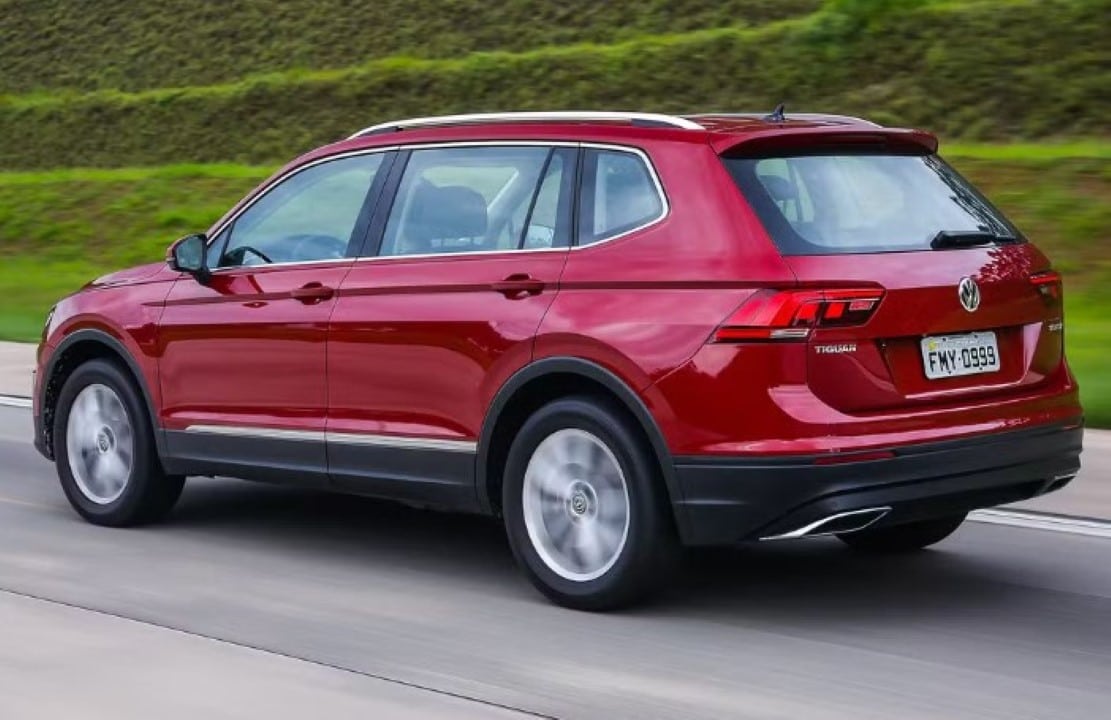
Units available on the used market, with starting prices in the range of R$104,000, attract consumers who prioritize sporty handling without compromising safety. The solidity of the suspension and the response of the turbo engines keep the vehicle valued, although maintenance requires specialized attention to guarantee the longevity of the components.
Entry version 250 TSI balances cost and benefit
The 250 TSI configuration represents the entry point to the line, equipped with the 1.4 turbo flex engine that delivers 150 hp and 25.5 kgfm of torque. The mechanical set, coupled to the six-speed DSG gearbox and front-wheel drive, offers sufficient agility for urban and highway use, reaching 100 km/h in 9.5 seconds according to technical data.
In terms of energy efficiency, the model records urban consumption averages of around 10.1 km/l when fueled with gasoline. The standard equipment package is comprehensive, including six airbags, stability and traction controls, as well as three-zone digital air conditioning, making it a rational option for everyday use.
The 17-inch alloy wheels and the multimedia center with a touch screen complement the look and functionality of this version. It is the ideal choice for those looking for the robustness of German construction in a more affordable package within the used medium SUV category.
Comfortline expands versatility for large families
For those who need greater transport capacity, the Comfortline version maintains the 150 hp 1.4 TSI engine, but adds a third row of seats, increasing capacity to seven occupants. The trunk’s flexibility is a highlight, ranging from 216 liters with all seats in use to 686 liters with the third row folded down.
Comfort is increased by convenience items such as the face-to-face key with push-button start and reversing camera, making it easier to maneuver a vehicle measuring 4.70 meters in length. Sensores front and rear parking spaces are part of the package, helping with daily driving in large urban centers.
With prices starting at R$105,900 for 2018 and 2019 models, this configuration is positioned as a balanced solution. The air conditioning system that serves all passengers reinforces the model’s family vocation, ensuring well-being on long journeys.
Sporty performance with the R-Line version
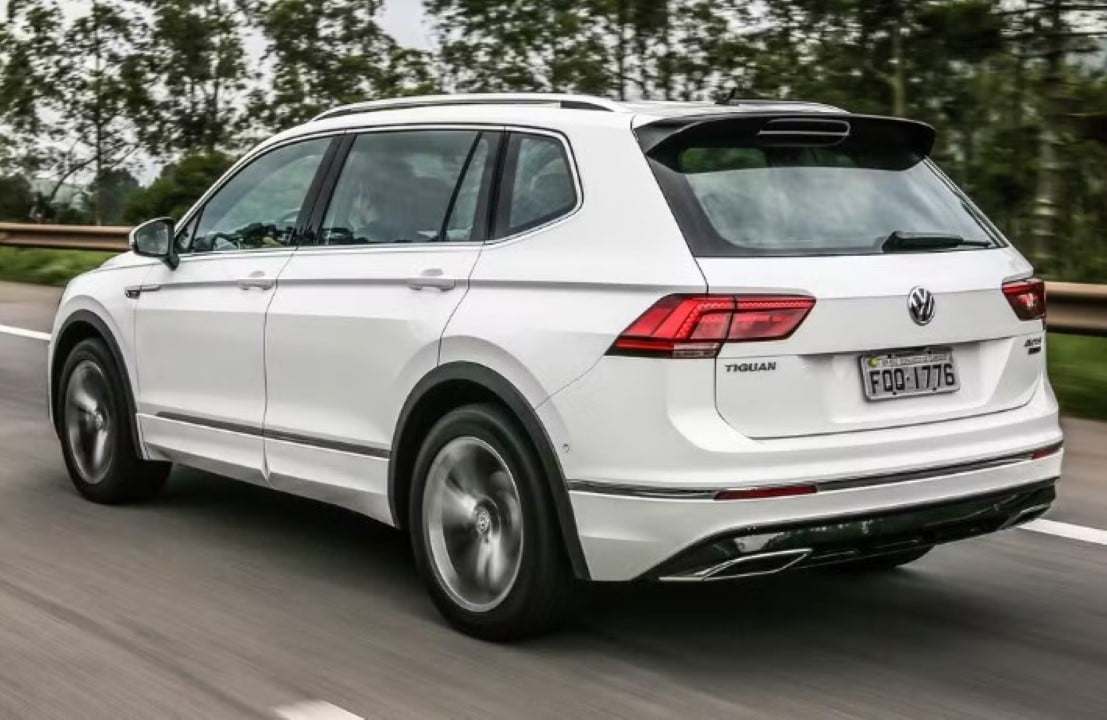
At the top of the range, the R-Line version transforms the driving experience by adopting the 2.0 TSI gasoline engine, capable of generating 220 hp and 35.7 kgfm of torque. The seven-speed DSG transmission and the 4Motion all-wheel drive system allow acceleration from 0 to 100 km/h in just 7.5 seconds, impressive numbers for an SUV of this size.
The look is marked by sportiness, with 19-inch wheels and exclusive finishes that differentiate the model on the streets. The onboard technology is also superior, offering a digital dashboard, panoramic sunroof and driving assistance features such as adaptive cruise control and autonomous emergency braking.
Quoted from R$124,590 for units between 2018 and 2020, the R-Line justifies the superior investment due to its track dynamics and sophistication. Bancos with electrical adjustments and a multimedia center with a larger screen complete the interior environment, focused on drivers who value performance and exclusivity.
Essential precautions when purchasing
The purchase of a used Tiguan requires a careful check of the maintenance history, especially with regard to the DSG transmission. Changing the transmission oil every 40,000 km is mandatory to avoid premature wear and high repair costs, being a focal point in the evaluation of any unit.
Components such as the direct injection system and the turbine also require attention, as does the suspension, which may show natural wear in vehicles with higher mileage. Recomenda-a professional pre-purchase inspection should be carried out to identify the integrity of the bushings and shock absorbers.
The availability of parts in the authorized network and on the parallel market facilitates preventive maintenance, such as changing brake pads and filters. Plataformas online sales are useful tools for comparing prices and conditions, and vehicles without a precautionary report or with an unclear maintenance history should be avoided.
Market scenario and competition
The Volkswagen Tiguan maintains a consistent demand for the Brasil, with offers varying between R$104 thousand and R$150 thousand, depending on the year and state of conservation. Liquidity is favored by the brand’s reputation and the scarcity of direct competitors offering the same combination of space and performance in the price range.
In direct comparison, the Jeep Compass tends to be more abundant, but the Volkswagen model has an advantage in drivability and use of internal space. The Já or the
Resale data indicates an increase in the value of all-wheel drive versions, such as the R-Line, which suffer less depreciation. The increase in demand for used medium SUVs reinforces the position of the Tiguan as a rational purchase for those looking for a complete and safe vehicle.



