
Adventurous version of the Volvo EX30 faces heavy snow in Japan and displays the strength of the new traction system

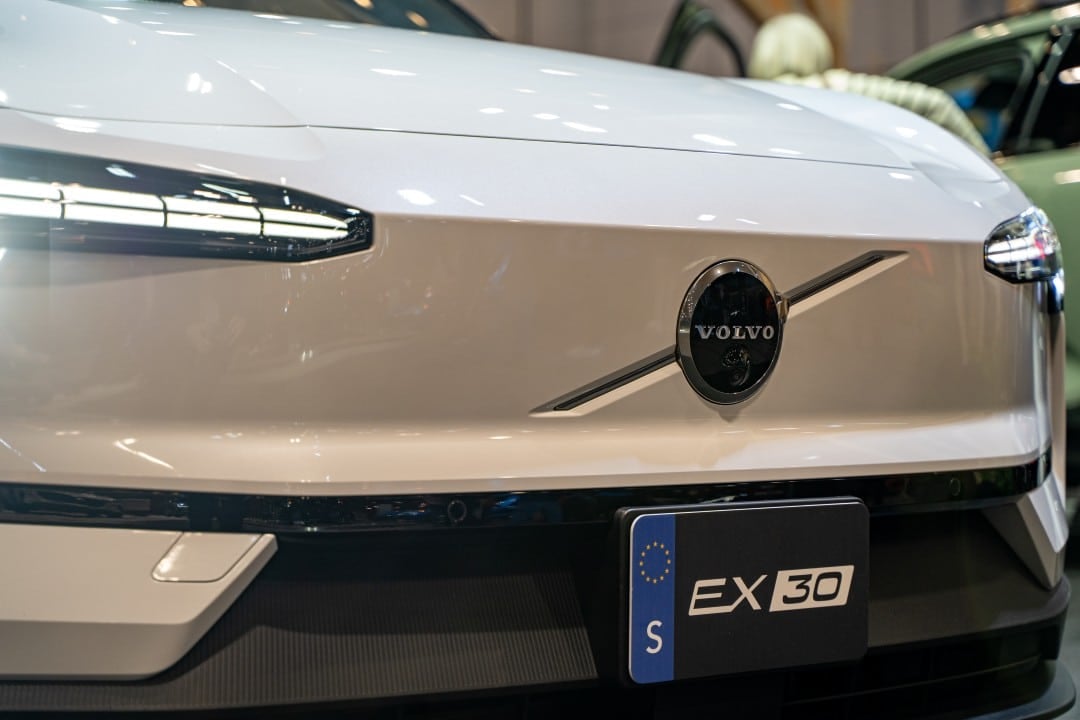
Volvo recently carried out a battery of rigorous tests with the EX30 model Cross Country Ultra Twin Motor Performance on the mountainous roads of Niigata, in the Japão. The main objective of the evaluation was to verify the dynamic behavior of the electric vehicle in adverse weather conditions, focusing especially on the efficiency of the four-wheel drive system and stability on surfaces with low grip. The chosen region, known for its harsh winters, offered the ideal setting to test the structural modifications of this version.
The model tested differs from the standard version by having a ground clearance increased by 20 millimeters, a fundamental technical change for the car’s adventurous proposal. The route started at station Joetsu Myoko and headed towards Monte Kurohime, facing temperatures of around 3°C. Embora the asphalt was predominantly dry at the beginning of the route, the sides of the track accumulated snow, signaling the challenging conditions that the vehicle would be able to face in more extreme driving.

While driving, the response from the electrical mechanical assembly was immediate, a hallmark of the brand’s high-performance engines. The absence of large snow obstacles on the main track also made it possible to evaluate acoustic comfort and stability at cruising speeds, demonstrating that the changes to the suspension did not compromise drivability on paved roads.
Functional design and exclusive details
The aesthetics of the EX30 Cross Country were developed to convey robustness and functionality, essential elements for a vehicle in this category. The exterior design incorporates front and rear skid plates, as well as robust black bumper panels, which serve to both protect the body from debris and enhance the off-road visual appeal. Essas additions are complemented by unique wheels that support higher profile tires, ideal for absorbing impacts on uneven terrain.
One of the most refined details of the project is found in the trunk panel. The Volvo design team etched the topography of mountain Kebnekaise, the highest peak in Suécia, directly onto the surface of the component. Além of the geological drawing, the exact geographic coordinates of the site were inscribed (latitude 67 degrees 54 minutes north and longitude 18 degrees 31 minutes east), a tribute to the Scandinavian origins of the brand and a symbolic invitation to exploration.
The vehicle’s interior maintains the Scandinavian minimalist design philosophy, but with touches that refer to outdoor life. Space utilization has been optimized to ensure that skiing equipment, camping equipment or bulky luggage can be transported easily, without sacrificing passenger comfort. Peripheral visibility, aided by the elevated driving position, contributes to a superior feeling of control.
System performance
The heart of the EX30 Cross Country’s performance lies in its Twin Motor Performance propulsion system. The configuration uses two electric motors, one on each axle, to provide permanent all-wheel drive (4WD). Este arrangement allows for an intelligent distribution of torque between the wheels, adjusting in milliseconds to guarantee the maximum possible grip, whether when sprinting on asphalt or when negotiating sections of mud and snow.
The combined power of the engines results in vigorous acceleration, typical of electric sports vehicles, but calibrated to offer safety on slippery terrain. The electronic system manages the delivery of force to avoid unnecessary shifts, keeping the vehicle on the trajectory desired by the driver even in sharp curves or sudden changes in direction.
The raised suspension works together with the traction system to absorb imperfections in the ground. The adjustment of the shock absorbers was designed to deal with the additional weight of the batteries and the demands of rough terrain, resulting in a firm but comfortable ride. The ability to overcome small obstacles without scraping the bottom of the car expands the model’s range of use beyond urban centers.
Versatility for today’s market
The introduction of this Cross Country variant into the Volvo portfolio responds to a growing demand for electric vehicles that are not limited to urban use. The combination of compact dimensions with off-road capability positions the model as a versatile option for consumers who need a car that is agile in city traffic, but capable of handling weekend trips to difficult-to-access locations.
Tests in Niigata confirmed that the engineering applied to the vehicle managed to balance energy efficiency with dynamic capacity. The thermal management of batteries in cold weather, a critical point for electric cars, proved to be effective during the journey, maintaining autonomy within the parameters expected for driving in low temperatures.
With the arrival of this model, the manufacturer reinforces its commitment to the total electrification of its line, proving that the energy transition does not mean the end of vehicles aimed at adventure and leisure. The robustness demonstrated in winter testing serves as a calling card for the project’s durability and reliability on a global scale.




