
Alert in the United Kingdom highlights low adherence among elderly people to the free herpes zoster vaccine and risks of the disease


Serviço Nacional of Saúde (NHS) of Reino Unido released worrying data about the immunization campaign against the virus that causes the disease popularly known as shingles. Apenas half of the eligible population took the opportunity to protect themselves in the first year of the program’s expansion, generating concern among public health experts about the vulnerability of this age group to severe complications.
Statistics reveal gap in protection
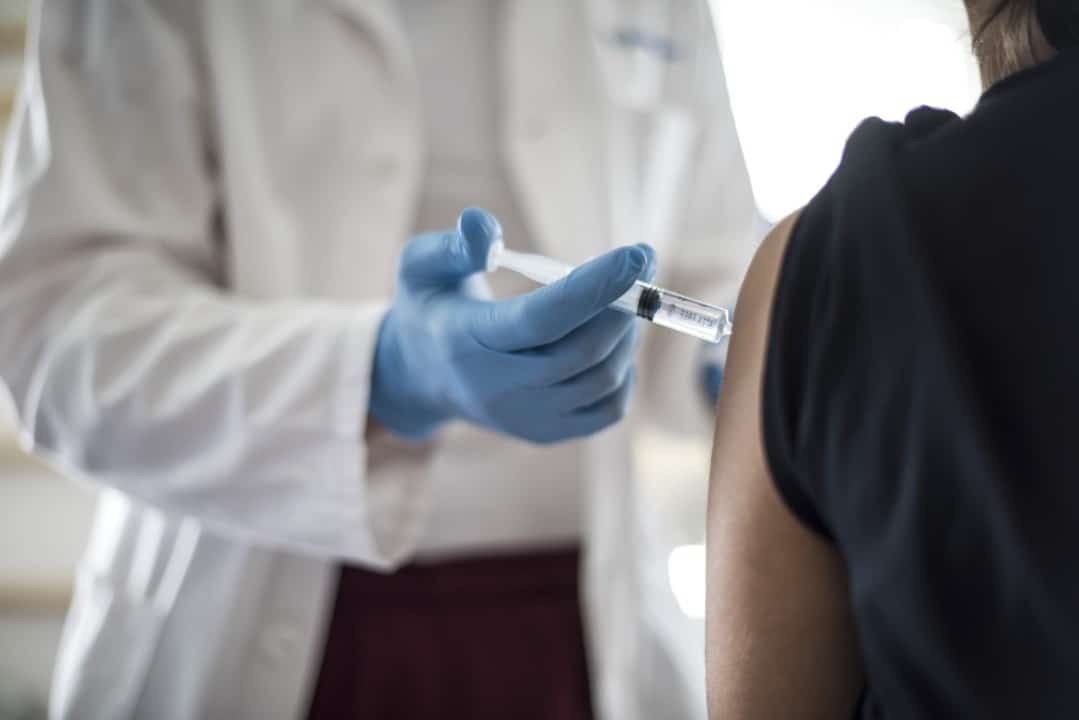
Official numbers indicate that vaccination coverage is below expectations to guarantee robust collective immunity among priority groups. Entre for citizens who turned 66 years old, the rate of receiving the first dose was just 42.1% until October 2025, while those aged 71 years old showed a slightly higher adherence, reaching the level of 53.5%. The Shingrix vaccine, offered free of charge by the public system, requires two doses spaced a few months apart for full effectiveness, but many patients do not return for the necessary second application.
Impacts of the disease on quality of life
Viral infection occurs through the reactivation of the chickenpox virus, which remains latent in the body for decades after initial contact, usually in childhood. The clinical picture involves extremely painful skin rashes and can progress to post-herpetic neuralgia, a chronic condition that causes intense and persistent pain in the affected nerves. The risk of serious complications and disabling pain increases proportionally with the natural aging of the immune system, making vaccination an essential tool for maintaining quality of life in old age.
Expansion of eligibility criteria
The British health program has implemented strategic changes since September 2023 to try to expand the reach of immune protection across the territory. Current guidelines include not only elderly people in specific age groups, but also individuals with weakened immune systems from the age of 18, aiming to reduce hospital admissions resulting from worsening of the disease. The authorities’ expectation is that continuous updates to the vaccination schedule will facilitate access and simplify understanding of who is entitled to the benefit.
Strategies to increase coverage
Health authorities reinforce the need for more assertive educational campaigns to combat misinformation and forgetfulness on the part of the target audience. The current recommendation is that people check their medical records and contact local clinics to schedule the application, as the vaccine drastically reduces the chances of developing serious forms of the disease. Raising awareness about the free availability of the vaccine is considered the main pillar for reversing the low adherence scenario observed in recent surveys.



