
Asteroid 2024 YR4 could collide with the Moon in 2032 and generate a crater of up to 1.5 km, astronomers say

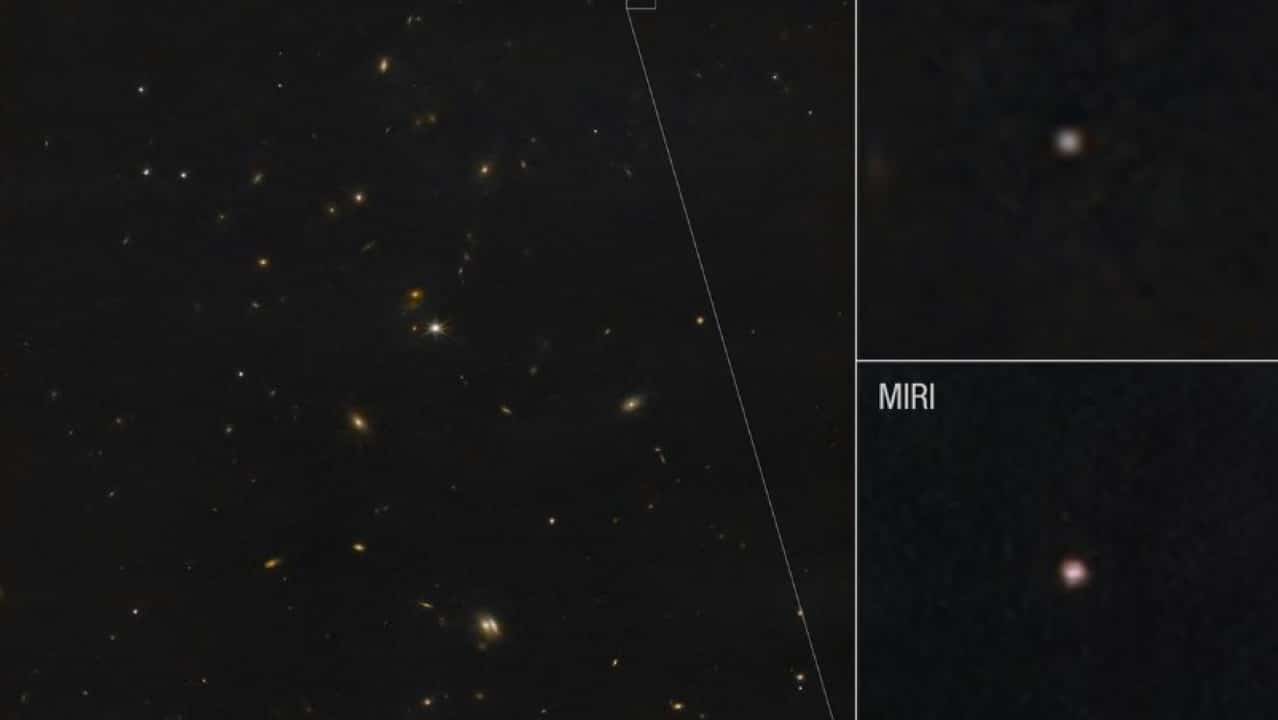
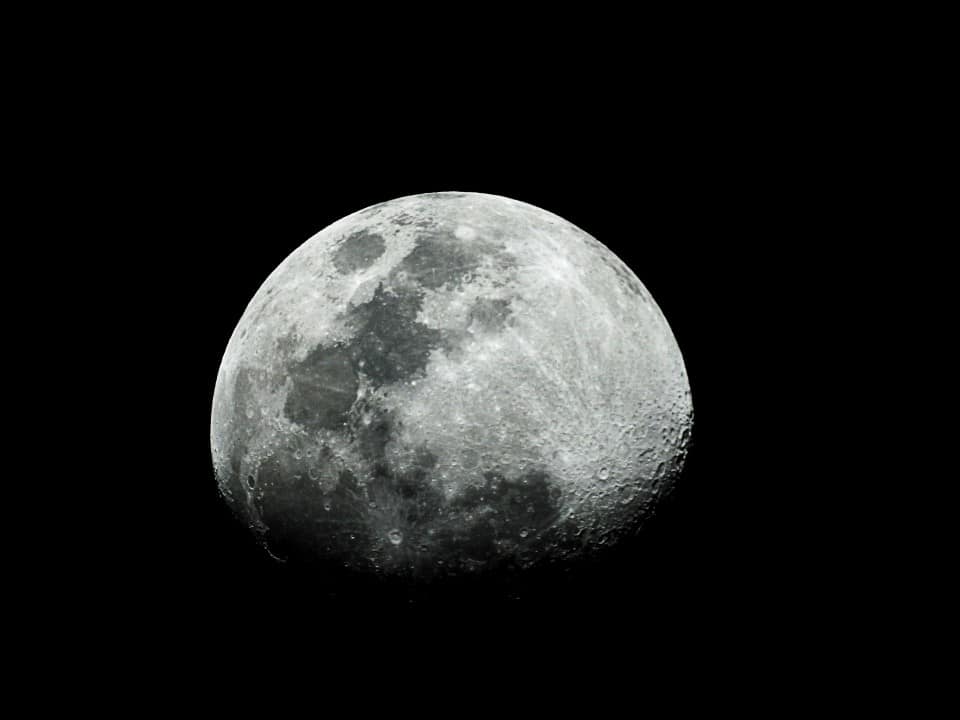
Asteroid 2024 YR4, discovered in December 2024, attracts attention from the scientific community due to the possibility of collision with Lua on December 22, 2032. Inicialmente assessed as a potential threat to Terra, the object had its trajectory refined by subsequent observations, eliminating any significant risk to the planet. Dados updates point to a probability of approximately 4% of lunar impact, which would make the event one of the most energetic recorded against the natural satellite in the modern era.
Astronomers use ground-based telescopes and the Telescópio Espacial James Webb to refine orbital calculations. The asteroid measures between 40 and 90 meters in diameter, with more precise estimates indicating around 60 meters. The relative speed expected when encountering Lua reaches high values, contributing to the release of considerable energy if the collision occurs.
Orbital details and continuous monitoring
The asteroid makes a close approach to the Terra-Moon system at this future date. Initial Observações raised concerns, but later refinements adjusted possible trajectories. Agências spacers maintain active surveillance to update probabilities as new measurements emerge.
Experts highlight that the object does not change the lunar orbit even in an impact scenario. The scientific community considers the event a rare opportunity to study crater formation processes and ejection of lunar material.
Potential impact and expected crater
If the collision happens, projections indicate the formation of a crater with a diameter of approximately 1,500 meters on the lunar surface. The impact would release energy equivalent to a medium-sized detonation, launching millions of tons of lunar regolith into space.
Some of this material could escape lunar gravity and follow trajectories that cross Earth’s orbit. Estudos simulate that smaller fragments would reach Terra as meteors, generating possible observable rains in specific regions.
Visible effects of Terra
A bright optical flash would appear at the impact site, with an estimated magnitude between -3 and -5, making it visible to the naked eye from different parts of the planet during the night. The glow would last for seconds, followed by an instrument-detectable infrared afterglow.
Astronomers predict that the event would allow unprecedented real-time observations of energy impacts. Telescópios amateurs and professionals would be positioned to record the phenomenon, expanding knowledge about collision dynamics.
Unique scientific opportunity
The possible impact represents a rare chance to document a large-scale event at Lua. Pesquisadores plan coordinated observation campaigns to capture data on lunar seismology, chemical composition of ejecta, and crater formation processes.
Information collected would enrich planetary defense models and studies of the surface evolution of rocky bodies. The probability remains low and may vary with future observations, scheduled for 2028, when the asteroid returns to favorable detection positions.
Risks associated with debris
Simulations indicate that up to 10% of the ejected material could reach the Earth’s vicinity in subsequent days or weeks. Fragmentos would act as high-speed projectiles, with the potential to affect satellites in specific orbits.
The scientific community assesses that the overall risk remains minimal, but warrants continued monitoring. Nenhum significant effect on lunar orbital stability or Terra is expected.
Asteroid 2024 YR4 remains under rigorous analysis by international surveillance networks for objects close to Terra. Periodic Atualizações refines the orbital parameters and keeps the probability around 4%, based on data from Telescópio Espacial James Webb and other instruments.




