Battery module failure forces BYD to recall hybrid vehicles to prevent fire risks
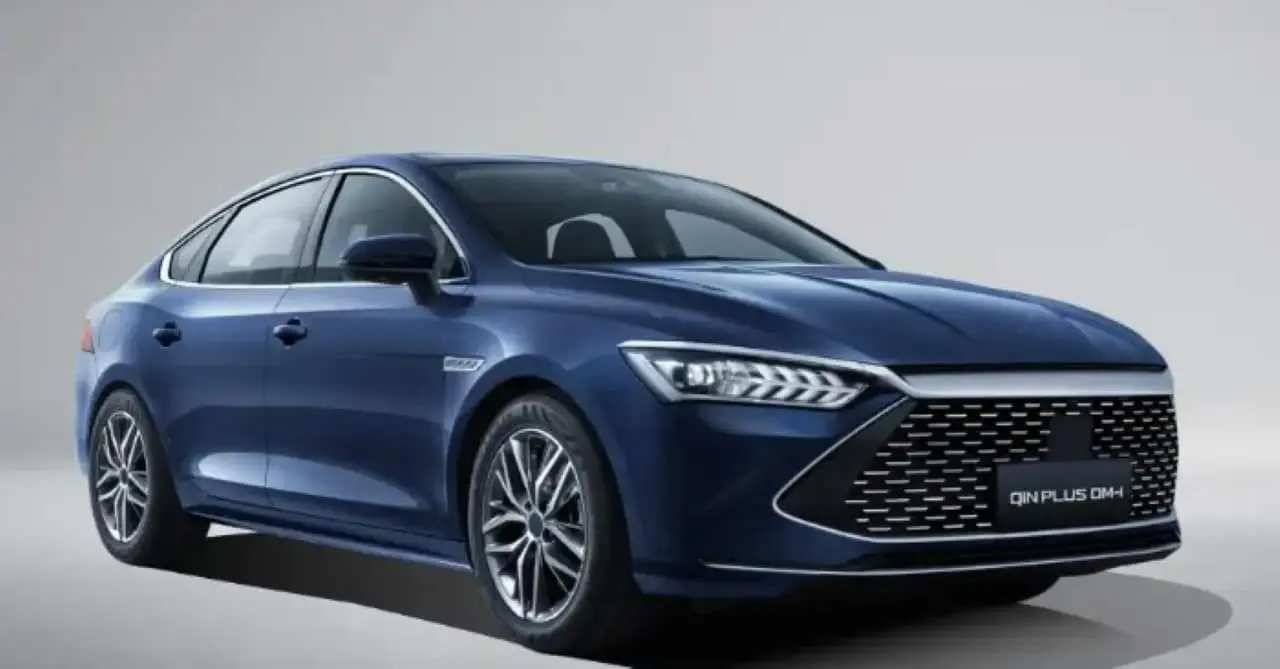
Chinese automaker BYD has announced a significant recall operation involving one of its most popular hybrid vehicle lines, the Qin Plus DM-i model. The safety measure aims to correct a manufacturing defect identified in the battery control module, a vital component for the car’s operation and safety. The preventive action covers a total of 96,714 units that were produced over an interval of two and a half years, specifically between January 2021 and September 2023.
Technical investigations conducted by the company’s engineering revealed that the problem lies in an inconsistency in the welding process within the battery control module. Essa Manufacturing failure may result in unstable data communication and uneven voltage distribution between power cells. In extreme situations, this instability can prevent the vehicle from functioning correctly or, in more serious cases, lead to overheating of components, substantially increasing the risk of fire during use or recharging.
The identified defect directly compromises the energy management system, which required a quick response from the manufacturer to guarantee the physical integrity of the occupants and road safety. Administração Estatal of Regulação of Mercado of
On the same topic: Manufacturer BYD announces recall of 88 thousand Qin Plus DM-i units due to serious battery failure
To mitigate the problem without causing undue disruption to consumers, BYD opted for a technology-first approach. The company will use remote software updates, known as OTA (Over-The-Air), to install a new version of the battery management system (BMS) in affected vehicles. Essa update was designed to detect voltage deviations with greater accuracy and alert the driver about anomalies before they become dangerous.
Remote patch and update procedures
The repair strategy adopted by the automaker demonstrates the evolution of after-sales services in the era of connected vehicles. The updated software will act as a continuous diagnostic tool, monitoring battery cell behavior in real time. Caso the system identifies parameters that indicate a welding defect or risks of thermal runaway, a notification will be sent immediately to the vehicle’s dashboard, instructing the driver to look for a dealership.
Learn more: BYD announces recall of 89,000 Qin Plus DM-i sedans due to lithium battery failure
In situations where the software detects a physical failure in the module, BYD is committed to providing a free replacement of the defective battery pack. Esse procedure guarantees that, even if the software update is the first line of defense, the definitive solution for the compromised hardware will be available at no cost to the owner, following international consumer protection standards.
The use of OTA technology allows the vast majority of vehicles to receive security corrections without the need for immediate physical attendance at workshops, except in cases where the hardware failure is confirmed by the new system. Isso speeds up the recall process and reduces the impact on drivers’ routines, maintaining the focus on preventing accidents caused by overheating.
Warning signs for owners
Although the software update is automatic for connected vehicles, it is essential that owners are aware of the car’s behavior while the procedure is completed. Especialistas in automotive safety recommend constant observation of signs that may indicate problems in the high-voltage electrical system, ensuring an extra layer of precaution.
See Also



More on this story: BYD automaker announces recall of 89,000 vehicles in China due to risk in battery system
– Mensagens error on the panel related to the propulsion system or high voltage battery.
– Dificuldade when starting the vehicle or sudden loss of power while driving in electric mode.
– Flutuações abnormal battery charge indicators or erratic behavior of the range meter.
– Excessive Aquecimento in the floor area or where the battery bank is installed.
Impact on the market and commitment to quality
This recall highlights the increasing complexity of modern vehicles, where the integration between hardware and software defines product reliability. By assuming responsibility and using remote diagnostics, the manufacturer seeks to maintain consumer trust in an increasingly competitive market focused on the energy transition. Transparency in identifying production flaws is an essential pillar for the consolidation of electric and hybrid vehicle brands.
Learn more: Chinese automaker BYD recalls 89,000 units of the Qin Plus hybrid vehicle due to serious battery failure
The corrective action also serves as a warning to the industry about the importance of strict quality control on critical components such as lithium batteries. With the increase in the global electrified fleet, thermal risk management and the stability of electrical systems become absolute priorities to ensure public safety and the continued acceptance of this technology by users.