F1: Honda investigates Aston Martin engine failures and designs competitive car only for the Suzuka GP

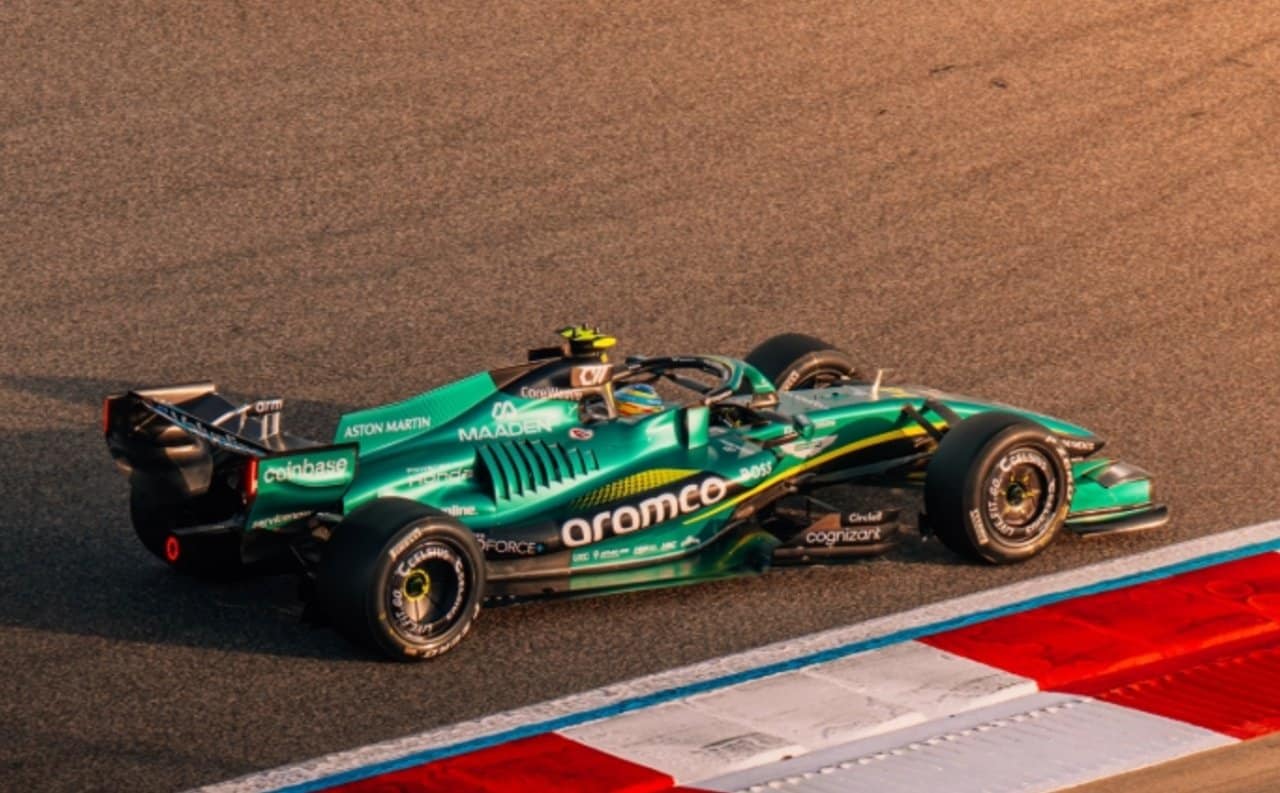
Honda, the current supplier of power units for the Aston Martin, detailed the technical causes that compromised the English team’s performance during the pre-season tests for the Fórmula 1 in 2026. Segundo the Japanese manufacturer’s engineers, the excess vibrations coming from the internal combustion unit resulted in severe damage to the car’s battery system. The problem forced frequent interruptions to track sessions in Barcelona and Bahrein, leaving the Silverstone team at a disadvantage compared to their main direct competitors.
This critical technical scenario prevented pilots Fernando Alonso and Lance Stroll from completing the planned schedule of data collection and essential aerodynamic adjustments. The technical team chose to restrict the engine’s power at various times to avoid catastrophic breakdowns, which masked the real speed potential of the new design. The early termination of activities on the last day of testing at Bahrein confirmed the seriousness of the situation faced by the Anglo-Japanese partnership.
Preliminary investigations conducted in the Honda laboratories indicate that the failure is not isolated to a single component, but rather a complex interaction between different parts of the vehicle. Engineers are now working around the clock to try to mitigate the effects of these fluctuations before the opening race of the world championship. Entretanto, the complexity of the diagnosis suggests that deep interventions on the chassis and power unit integration will be necessary in the coming months.
Debrief Thursday’s running after the penultimate day of#F1Testing.
—Aston Martin Aramco F1 Team (@AstonMartinF1)February 19, 2026
🔗https://t.co/p63ngKF58w pic.twitter.com/vorydDb9Wk
Direct impacts of vibrations on the power unit
The origin of the failures was identified in the combustion part of the engine, which makes up the thermal half of the hybrid system used in the highest category of motorsport. Essas abnormal vibrations were transmitted directly to the structure where the battery pack is fixed, causing structural and electronic damage that prevented the tests from continuing. Ikuo Takeshi, head of the racing division at Honda, explained that the decision to stop the car on the track was a necessary preventative safety measure.
Although the risk of a serious accident was not imminent, the integrity of the electrical systems was seriously compromised by the constant mechanical oscillations. The engineering team noticed that the battery compartment suffered an excessive “shaking” effect within the chassis survival cell, something that had not been anticipated in bench simulators. The challenge now lies in isolating these vibrational frequencies to protect the most sensitive components of the energy recovery system.
Complex diagnosis makes immediate repairs difficult
The Japanese manufacturer admitted that resolving the problem may not be simple or quick due to the multifactorial nature of the fault found in the 2026 car. Essa interaction makes the correction work significantly slower, as it requires exhaustive testing of each variable involved in the mechanical assembly.
- The battery fixing area presents oscillation rates above the material tolerance limit.
- Multiple moving components may be contributing to the generation of harmful harmonic frequencies.
- The lack of specific spare parts on the Bahrein also contributed to the early termination of training.
- Honda does not rule out the need to redesign parts of the engine support to stabilize the assembly.
If the fault was restricted to just the battery or exclusively to the engine block, replacing it with new, corrected versions would be the natural and quickest route. However, as the problem involves the vehicle’s systemic integration, Honda indicates that specific adjustments may not be sufficient to resolve the issue definitively. The determination of the technical leadership is total, but realism prevails regarding the time required for all parts to interact harmoniously without generating excessive mechanical stress.
Expectation of competitiveness for the grand prize of Suzuka
Given the current limitations, Honda established a gradual performance recovery schedule for Aston Martin in the first stages of the year. The immediate objective is to reduce vibrations so that the car can finish the initial tests, even if it needs to operate at a slightly conservative power setting. The most ambitious goal is to have a fully competitive and reliable technical package only for the fourth stage of the season, which will be held at Japão.
The choice of Suzuka as the milestone for full resolution is not only symbolic of being the home of Honda, but reflects the logistical time required to produce and test new components. Até there, Alonso and Stroll will need to deal with equipment that has not yet demonstrated its full strength, focusing on gaining possible points while reliability is reestablished. Delayed development could cost valuable constructors’ championship positions in the opening weeks.
Low mileage harms the team’s technical evolution
Aston Martin ended the pre-season testing cycle as the team that accumulated the least mileage among all ten teams on the Fórmula 1 grid. In the second round of testing, for example, the sum of the laps of Alonso and Stroll was drastically lower than the average of other teams powered by rival manufacturers.
The situation is worsened by the fact that Aston Martin is the only customer for Honda engines this season, which limits the database available for analysis. Enquanto to Mercedes leverages information generated by four different teams to accelerate development of its power unit, Honda relies exclusively on data from two cars. Essa lack of statistical volume makes the identification of failure patterns slower and makes it difficult to validate new technical solutions in real time.
Data isolation compared to rival vendors
The disparity in the collection of strategic information was evident when compared to the performance of teams using Mercedes engines. Juntas, the German manufacturer’s partner teams covered a distance twelve times greater than that achieved by Aston Martin in the decisive days of testing at Bahrein. Essa difference in ride means that opponents already have a much deeper understanding of tire wear and aerodynamic behavior under race conditions.
Without the same amount of data, the Aston Martin enters the first race of the year with many uncertainties about the car’s behavior over long distances. The technical team will need to optimize every minute of free practice on GP Fridays to try to make up for time lost during the European winter. Efficiency in telemetry analysis will be the only way to try to mitigate the competitive advantage that rival teams have built during the stable pre-season.
Early termination of activities in the Bahrein tests
On the last day of official preparation, Canadian Lance Stroll managed to complete just six fast laps before the team decided to collect all the equipment. The routine of leaving the pits only for short checks and returning immediately showed that the car did not present minimum reliability conditions for race simulations. With more than two hours still available on the official session timer, the Aston Martin garage was already being closed, signaling the end of a frustrating journey for the engineers.
In addition to the electronic and mechanical problems already mentioned, the scarcity of spare parts prepared to deal with vibrations prevented the team from continuing to operate. The logistics for transporting new components between Europa, Japão and Oriente Médio are complex and did not allow for immediate replacements during the test week. Este early closure symbolizes the size of the challenge that the partnership between Aston Martin and Honda will face to become a real force in the fight for the top positions in the Fórmula 1 world championship.