
Fiat designs new seven-seater family model with hybrid system and competitive price for the sector

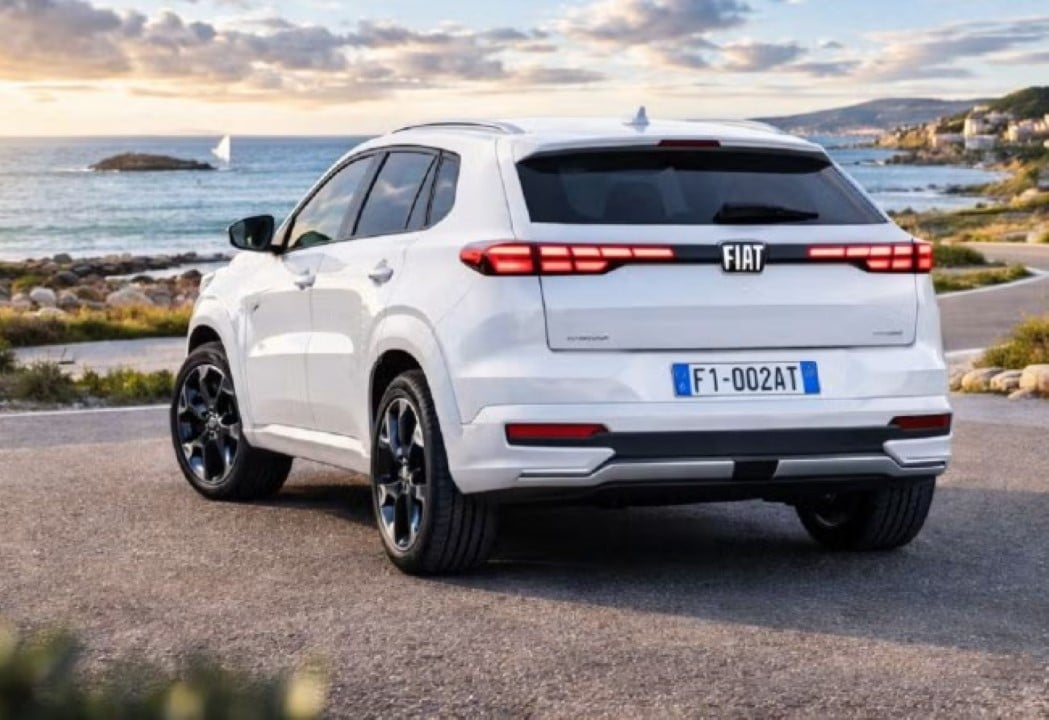
The Italian manufacturer continues to advance in the development of its next global sports utility vehicle, designed to transform the competition in the family car segment. The central focus of the project lies in cost efficiency and optimization of internal space, seeking to serve consumers who need versatility without sacrificing savings.
The initiative promises to expand access to electrification technologies and more spacious cabin configurations. The model seeks to balance the need to transport passengers with the budgetary reality of average families, offering a robust alternative to currently available vehicles.

Platform strategy and cost reduction
The development uses the Smart Car architecture from the Stellantis group, a modular base that already supports recent models of the Citroën and Opel. Essa component sharing tactic allows the brand to drastically reduce engineering and manufacturing costs, resulting in a more attractive final price for the consumer.
The architecture was designed to support both combustion engines and fully electric systems, ensuring flexibility for different global markets. By adopting this technological base, the company intends to deliver a product that combines robustness with modern connectivity solutions, without excessively increasing production value.
The proposal follows a rational and functional design philosophy, prioritizing utility and durability over unnecessary luxuries. The automobile will serve as an essential tool for families’ daily lives, focusing on practical use and affordable maintenance.
Functional design and use of space
Aesthetically, the project relies on straight lines and a quadrangular silhouette that facilitates the use of space in the cabin. The vertical shape of the rear and the high roof are deliberate choices to comfortably accommodate up to seven passengers, an important differentiator in the intended price range.
The look must incorporate futuristic elements, such as LED optical sets with a pixelated signature, providing a modern and distinct visual identity. The interior follows the principle of versatility, with resistant and easy-to-clean materials, designed for intense use.
The arrangement of the seats and the modularity of the trunk allow for different load configurations, adapting the vehicle to transport passengers or large volumes, depending on the needs of the moment.
Energy efficiency and mechanical options
The SUV will be equipped with propulsion systems that balance performance and economy. The combustion versions will feature 48-volt mild hybrid technology (MHEV), which assists the thermal engine when starting and restarting, reducing fuel consumption and pollutant emissions without the need for external recharging.
In addition to the hybrid versions, there will be a fully electric option equipped with lithium iron phosphate (LFP) batteries. Essa battery chemistry was selected for its long lifespan and lower production cost compared to traditional lithium-ion cells.
With this, the brand aims to offer an electric vehicle with sufficient autonomy for urban and highway use, maintaining a competitive purchase price compared to direct rivals.
Strategic production and market
The commercial strategy of this launch aims to directly confront brands that dominate the entry-level segment, offering more technology and space for a similar price. Manufacturing will be concentrated in strategic industrial hubs such as Sérvia and Marrocos, where factory efficiency contributes to maintaining healthy margins even with aggressive prices.
This movement reinforces the automaker’s commitment to leading the energy transition in the mass market, proving that it is possible to combine sustainability, load capacity and technology in a package accessible to the general public.



