
FireRed and LeafGreen arrive at the Switch store as separate purchases and guarantee access on the next console

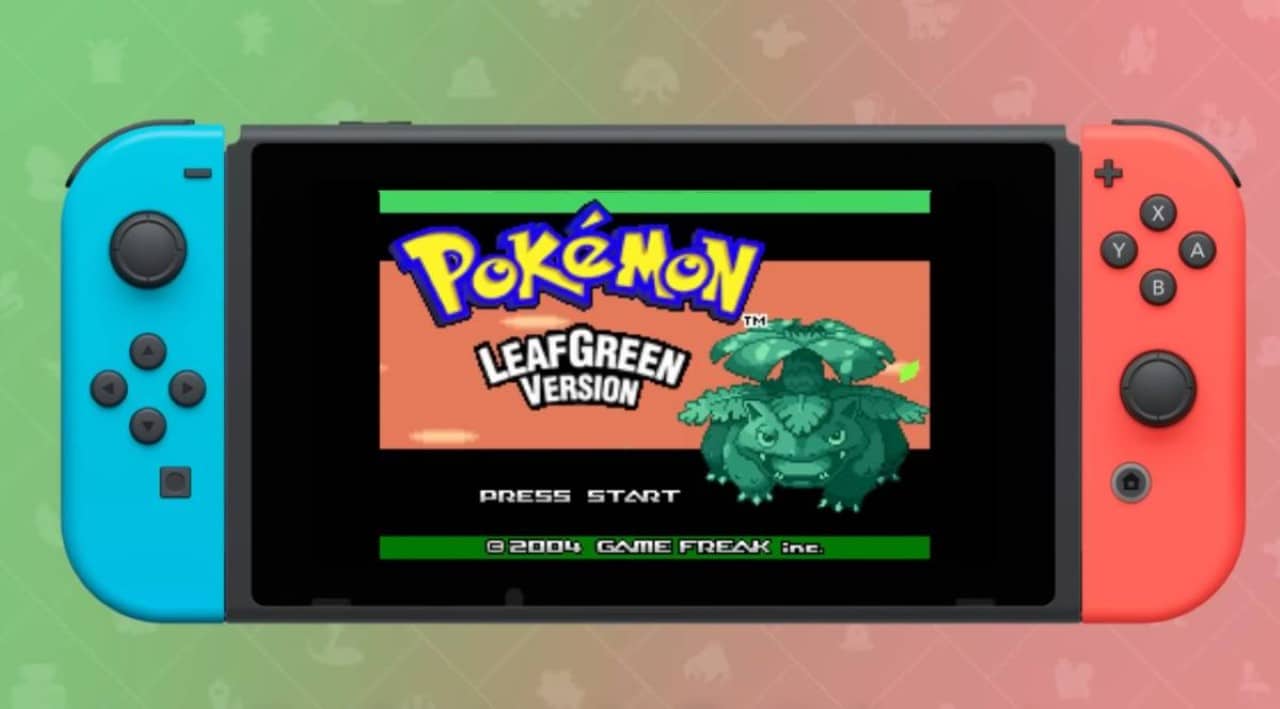
The Pokémon Company and Nintendo officially returned two of the most acclaimed titles in the pocket monster franchise to the current hybrid console ecosystem. In celebration of the series’ thirtieth anniversary, the Game Boy Advance classics, which revisit the Kanto region, will be available for digital acquisition from February 27th, a date known worldwide as “Pokémon Day”. The launch strategy differs from the company’s recent pattern, opting for unit sales instead of inclusion in the online subscription service.
The announcement was confirmed shortly after the broadcast of the Pokémon Presents event, which detailed the launch roadmap for the commemorative year. Diferente of other retro games made available via Nintendo Switch Online, these remastered versions from 2004 will be sold separately on the eShop. The suggested price for the Brazilian market was set at R$120.99 for each version, while on the international scene the value is US$19.99. The decision reinforces the nostalgic value and historical importance of these works, which introduced vital mechanics and the original wireless adapter.
One of the most relevant confirmations for consumers concerns the longevity of the digital investment made in this software. Nintendo assured that both titles will be part of the library compatible with the successor to the current hardware, provisionally called by the public “Switch 2”. The installation file will take up approximately 40 MB of storage, allowing immediate pre-loading so that access is released promptly at the time of official launch.
Wireless switching and connectivity features
The multiplayer experience, a fundamental pillar of the franchise since its inception, received special attention when adapting to the Switch architecture. The system simulates the operation of the old Game Boy Advance wireless adapter, allowing players to exchange and battle locally. Esta implementation aims to replicate the feeling of physical proximity required in the original notebooks, while maintaining the technical fidelity of the emulation.
It is important to note that the network infrastructure will not support internet battles over conventional Nintendo Network, focusing strictly on local wireless communication between nearby consoles. Para complete Pokédex of Kanto, it will be necessary to interact with other players who have the opposite version of the game, since each title has exclusive creatures. Esta technical limitation is intentional to preserve the original code and avoid compatibility issues or instability when emulating old data.
The versions maintain the differences in fauna that require cooperation between trainers. Enquanto one edition offers access to monsters such as Ekans, Oddish and Growlithe, the other provides access to Sandshrew, Vulpix and The ultimate goal remains the same: capture and record the original 151 Pokémon, as well as face off against the Elite of the Quatro and the region’s champion, reliving the journey that defined the monster collecting RPG genre.
Integration with Pokémon Home and data preservation
The most anticipated feature by the competitive community and collectors is direct compatibility with the Pokémon Home cloud storage service. The functionality will allow creatures captured in Kanto to be sent to the latest games in the series, ensuring that the effort dedicated to training is not restricted to legacy software. The system will work as a one-way street, allowing data to be exported, but preventing the return of monsters that have already been migrated to higher generations.
This integration solves an old problem of franchise fragmentation, creating a direct bridge between the third generation of games (where these remakes are technically located) and the current ninth or tenth generation. Jogadores veterans will be able to rescue old partners and use them in new competitive contexts, keeping the original characteristics, such as individual nature and values, intact during the transfer.
Progress preservation is also guaranteed by the console’s save architecture. Unlike the original cartridges that depended on internal batteries to maintain the save file — batteries that today, for the most part, have run out —, the digital version uses the non-volatile memory of the Switch. Isso eliminates the risk of data loss due to physical cartridge hardware failure, providing lifetime security for game files.
Market context and price positioning
The pricing adopted by Nintendo generated immediate debates about the value of legacy games in the current market. By charging R$120.99 for titles originally released more than two decades ago, the company positions these products as premium experiences, distancing them from the subscription “bonus” category. The implicit justification lies in the inclusion of connectivity features with the Home and the guarantee that the purchase will be transferred to the next generation of consoles at no additional cost.
The visual and sound package remains unchanged, featuring the pixel art aesthetic that marked Game Boy Advance, now displayed in high definition on the Switch screens. The remastered soundtrack and the Sevii islands, expanded content that did not exist in the original 1996 games, are present in full. For many users, the convenience of having these classics on a modern device, with a backlit screen and rechargeable battery, justifies the investment compared to purchasing old hardware and used cartridges, whose prices have drastically inflated in the collectors market.
The arrival of these titles reinforces the brand’s commitment to keeping its historical catalog accessible, albeit under a new monetization policy. With the promise of backwards compatibility on the next hardware, Nintendo signals that the user’s digital library will be an ongoing asset, reducing anxiety about the obsolescence of the current platform and encouraging adherence to the digital format to preserve the history of video games.



