Flamengo coach sees superiority on the field but regrets defensive failures in the Recopa decision


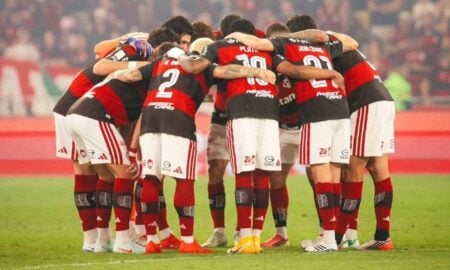
The 3-2 defeat against Lanús, confirmed in the final moments of extra time at Maracanã, generated immediate reactions from the red and black technical command on Thursday night. Filipe Luís took responsibility for the result that cost the Recopa Sul-Americana the title, but made a point of shielding the squad from the heaviest criticism regarding its performance on the field. Para the coach, the collective performance was satisfactory in terms of game control and offensive volume, although the final score did not reflect this territorial superiority built over the 120 minutes.
The Rio team turned the match around with penalty goals converted by Arrascaeta and Jorginho, demonstrating the power of reaction after coming up behind on the scoreboard. However, the inability to maintain the result and the occasional errors in the decisive moments allowed the Argentine team to seek equality and, later, victory at lights out. The commander highlighted that football does not always reward those who propose the game, valuing the opponent’s efficiency in the few opportunities created.
Game over at Maracanã. Flamengo 2-3 Lanús.#EndOfGame pic.twitter.com/Ta2FMSrxTg
— Flamengo (@Flamengo)February 27, 2026
The frustration at losing the continental trophy at home was visible, but the internal discourse already points to the need for an immediate psychological recovery. The technical committee’s assessment is that the group has the quality to reverse the adverse scenario and that the defeat will serve as a lesson for the remainder of the 2026 season.
Tactical assessment and offensive posture
During the press conference, Filipe Luís detailed the strategy adopted to break through the defensive block of Lanús, who stood with a line of six defenders for much of the duel. The coach explained that the option of not starting with a fixed center forward was intended to give the attack more mobility and confuse the opponent’s marking. Segundo him, the team managed to create spaces and infiltrate the area, but failed in the last pass and in the completion of the plays, which kept the game dangerously open until the end.
The coach countered questions about the excess of crossings, arguing that the decisions made by the athletes on the field were based on the gaps offered by the Argentine defensive system. Ele highlighted that Flamengo maintained possession of the ball in the attacking field and limited the rival’s offensive actions, which rarely crossed the midfield line before capital moves. The reading is that the game model is being assimilated, despite the fine adjustments necessary to transform dominance into goals.
The physical issue was also addressed, with the commander praising the intensity maintained by the players even during the exhausting extra time. Filipe Luís sees an improvement in the squad’s athletic preparation compared to previous games, which allowed the team to press hard until the final minutes. Essa physical consistency is seen as an asset for the calendar sequence, which will require endurance to endure the marathon of competitions.
Corrections to the defensive system
Despite praising the volume of play, the coach did not shy away from commenting on the mistakes that resulted in Lanús’s goals, especially in aerial ball plays. The recurrence of goals conceded from headers and set pieces raised a warning signal in Gávea, requiring increased attention in next week’s training. The technical committee intends to intensify positioning work to prevent concentration errors from becoming costly again in knockout matches.
Filipe Luís admitted that the main objective in finals is to keep the goal intact, as the margin for recovery is minimal against qualified opponents. Ele acknowledged that there was inattention in the moves that led to the goals by Canale and Aquino, but preferred to treat the issue as a collective issue to be resolved internally. The focus now is to correct defensive movements without individually exposing the athletes involved in the moves, seeking to strengthen the confidence of the rearguard system.
Focus on Campeonato Carioca
With no time for prolonged lamentations, Flamengo turns its attention to the Campeonato Carioca dispute, where it has a comfortable situation in the semifinal stage. The team faces Madureira next Monday, at 9pm, again at Maracanã, and could even lose by a moderate difference thanks to the 3-0 victory in the first game. The match will serve as an immediate test for the group’s ability to react and for the implementation of the defensive adjustments requested by the coach.
The expectation is that the team will take the field seriously to guarantee their place in the state final and give a positive response to the fans after finishing runner-up in the Recopa. Filipe Luís should use the confrontation to rotate the squad and observe players who can gain more minutes later in the season. Winning the state title became even more important to calm tempers and reaffirm the red-black team’s regional dominance.